- News
- World
- Americas
The 2025 numbers, while historically good, do not signify that the problem has vanished
Rebecca BooneTuesday 02 December 2025 16:44 GMT
 CloseAt least four killed in ‘mass shooting at child’s birthday party’ in California
The latest headlines from our reporters across the US sent straight to your inbox each weekday
Your briefing on the latest headlines from across the US
Your briefing on the latest headlines from across the US
Email*SIGN UPI would like to be emailed about offers, events and updates from The Independent. Read our Privacy notice
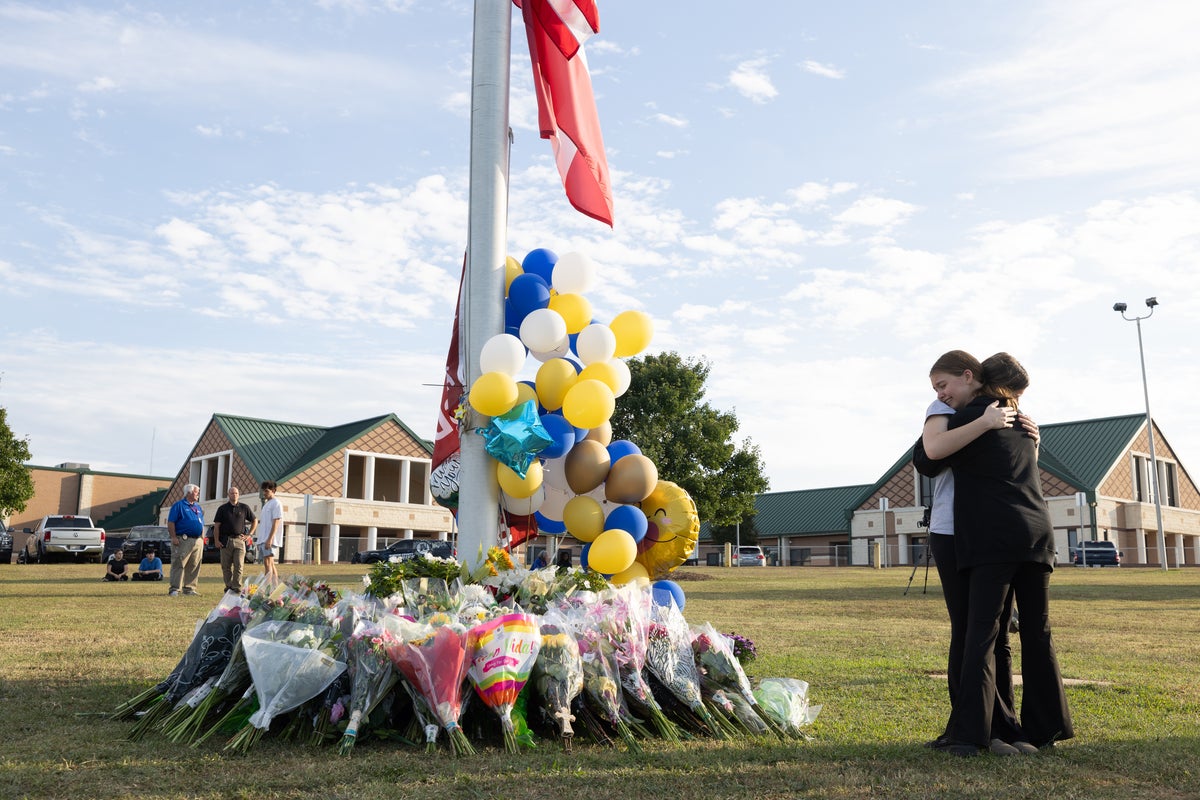
A recent children’s birthday party shooting in California, which tragically claimed four lives, marked the 17th mass killing in the US this year – the lowest figure recorded since 2006.
This statistic, compiled by a database maintained by The Associated Press and USA Today in partnership with Northeastern University, offers a glimmer of hope.
Yet experts are quick to temper expectations, suggesting this drop may simply represent a return to average levels rather than a lasting improvement.
Mass killings are defined as incidents where four or more people are killed within 24 hours, excluding the perpetrator. While the current numbers appear encouraging, criminologist James Alan Fox of Northeastern University, who manages the database, warns against complacency.
"Sir Isaac Newton never studied crime, but he says ‘What goes up must come down,’" Fox said, suggesting the current decline is more likely a "regression to the mean" following unusual spikes in 2018 and 2019. He added, "Will 2026 see a decline? I wouldn’t bet on it. What goes down must also go back up."
The rarity of such events means the figures can be volatile, according to James Densley, a professor at Metropolitan State University in Minnesota.
"Because there's only a few dozen mass killings in a year, a small change could look like a wave or a collapse," he explained, reiterating that 2025’s numbers, while historically good, do not signify the problem has vanished. Densley points to an overall decline in homicide and violent crime rates post-COVID-19 pandemic, alongside improved immediate responses to mass casualty incidents, as potential contributing factors. He cited the Annunciation School shooting in Minnesota, where only two were killed despite over 20 injuries, attributing the lower fatality count to rapid bleeding control and trauma response by first responders.
Eric Madfis, a professor of criminal justice at the University of Washington-Tacoma, underscored the complexity of crime rate changes, noting they are "multi-causal." He highlighted that while gun violence deaths are down, the US still faces "exceedingly high rates and numbers of mass shootings compared to anywhere else in the world."
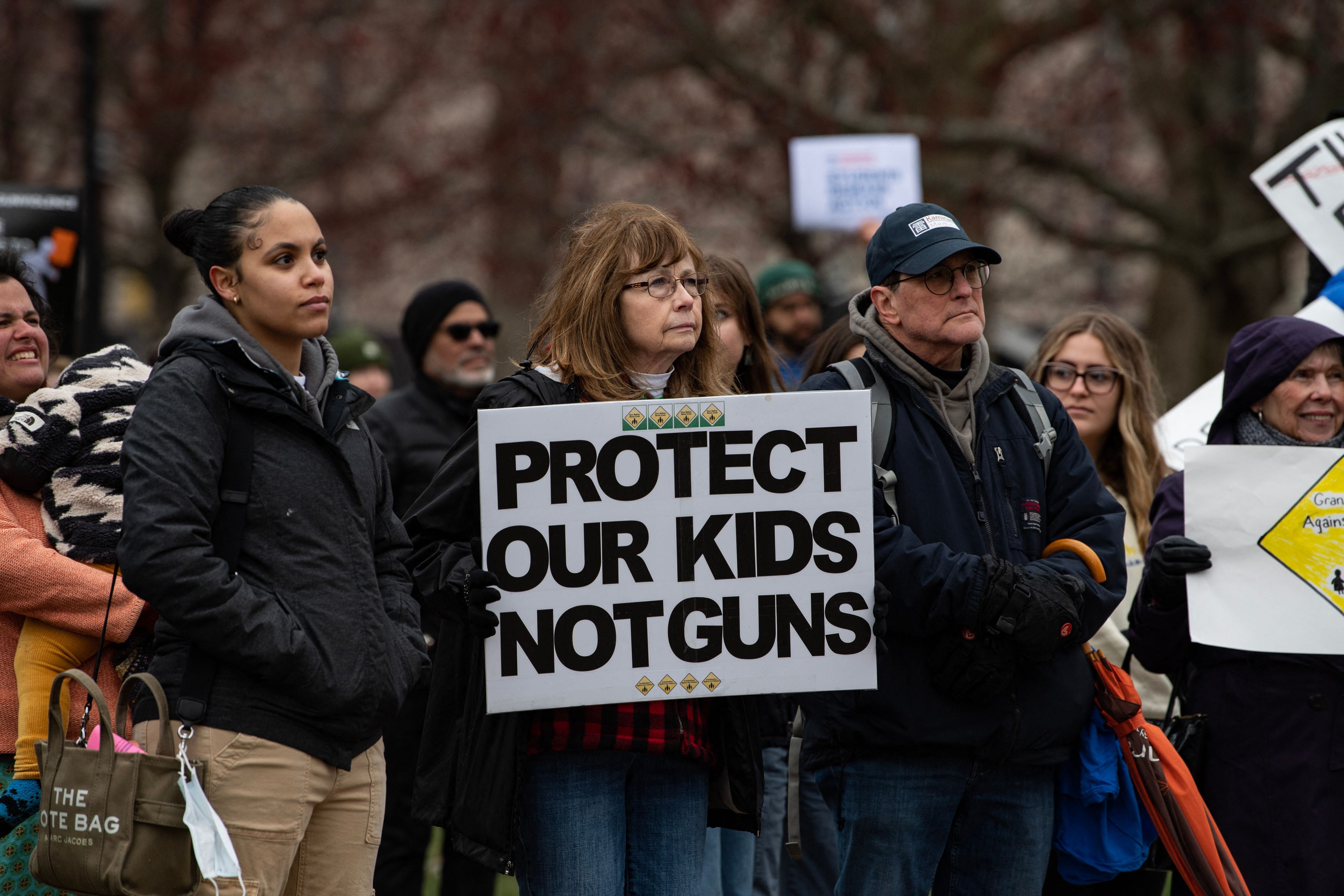 None of this year’s mass killings occurred in schools (AFP/Getty)
Madfis also mentioned the increasing number of states mandating school threat assessments, which could be preventing some school shootings, though none of this year’s mass killings occurred in schools.
Christopher Carita, a former detective and senior training specialist with gun safety organisation 97Percent, believes the 2022 Safer Communities Act has played a role. The act provided millions in funding for gun violence protection programmes, allowing states flexibility to invest in social supports for at-risk individuals or law enforcement and threat assessment initiatives. Carita noted a shift in perspective: "It's always been framed as either a ‘gun problem’ or a ‘people problem’ and that's been very contentious. I feel like for the first time, we're looking at gun violence as a 'both, and' problem nationally."
However, Emma Fridel, an assistant professor of criminology at Florida State University, cautions against focusing solely on extreme events like mass killings, warning of "missing the forest for the trees." She stressed the broader, devastating impact of gun violence, encompassing both homicides and suicides. "If you look at the deaths from firearms, both in homicides and suicides, the numbers are staggering. We lose the same number of people every year to gun violence as the number of casualties we experienced in the Korean War. The number one cause of death for children is guns," Fridel stated. She concluded that mass killings should be viewed as just one facet of a much larger, pervasive issue.