Wednesday, Dec. 3, 2025: Your daily feed of the biggest discoveries and breakthroughs making headlines.
News By Patrick Pester, Tia Ghose, Ben Turner, Alexander McNamara last updated 3 December 2025When you purchase through links on our site, we may earn an affiliate commission. Here’s how it works.
 (Image: © Getty Images)
Here's the biggest science news you need to know.
- NOAA issued a G3 (strong) geomagnetic storm alert for tonight, with auroras likely in a dozen U.S. states
- The hunt for elusive sterile neutrinos turned up empty.
- Researchers have genetically engineered a virus that can extract rare earth minerals.
- NASA has found sugars essential for life in pristine samples from asteroid Bennu.
- Parts of a rare, seven-armed octopus have washed up on a beach in Scotland, raising questions as to how they got there.
Latest science news
Refresh Get notified of updates 2025-12-03T23:23:58.158ZHeading out
2025-12-03T22:50:33.296ZAuroras are on the way!
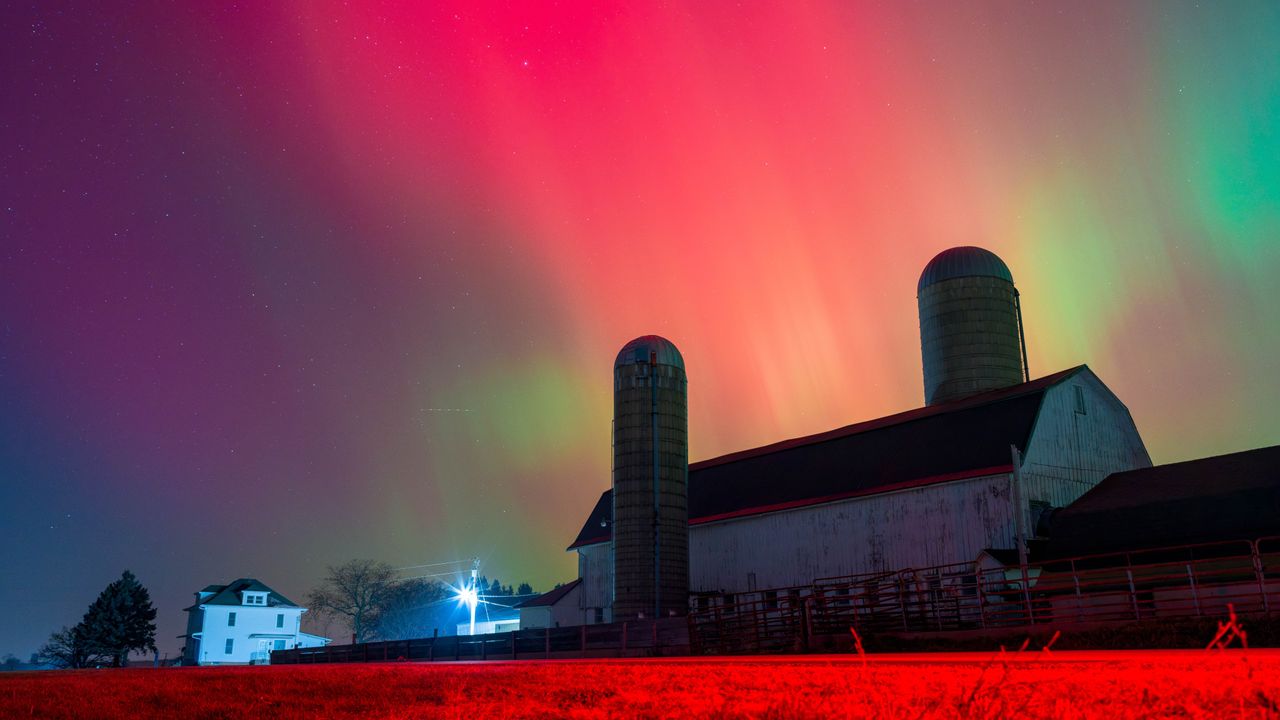
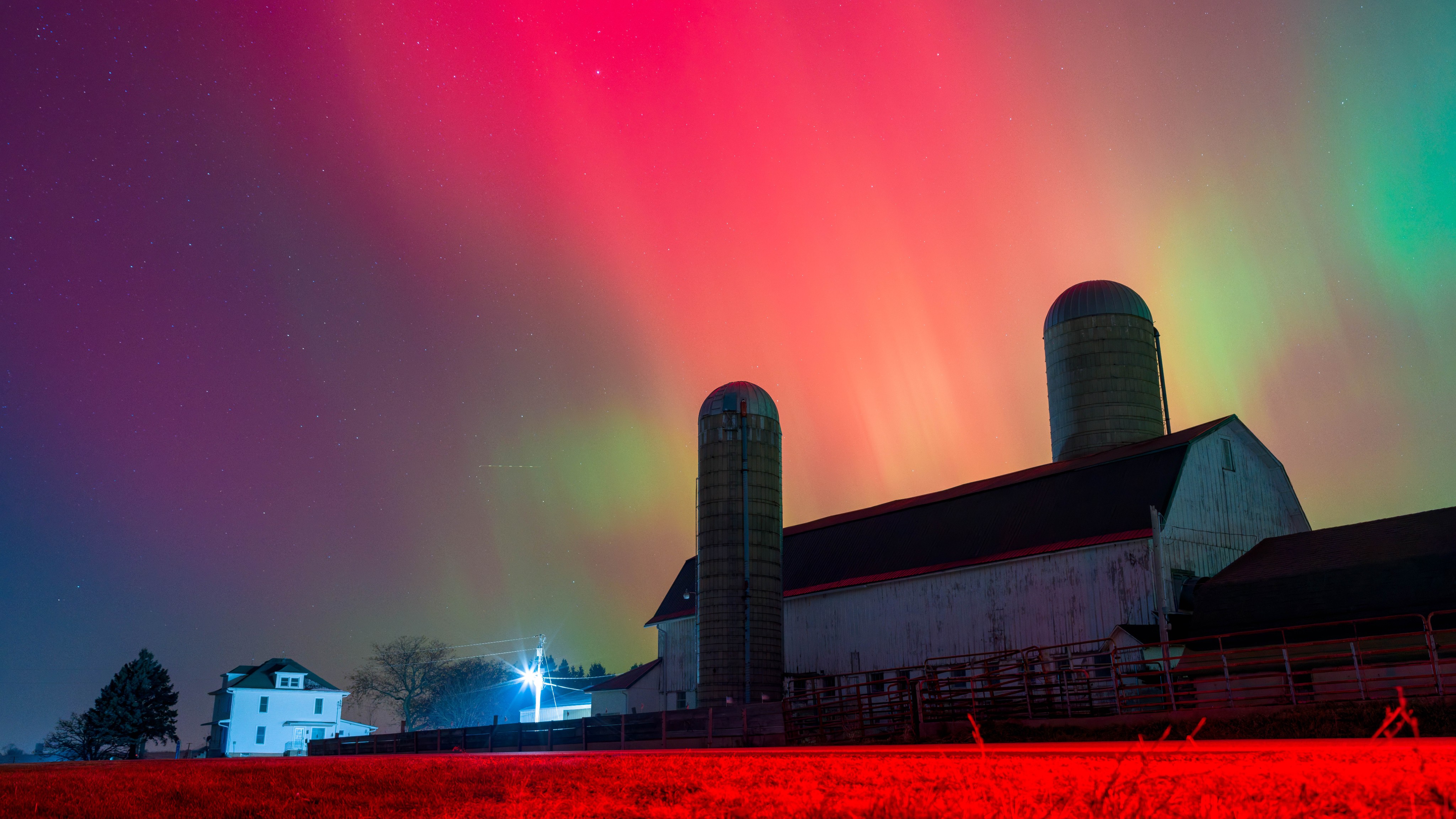
More than a dozen U.S. states may be able to spy the Northern Lights tonight, as a powerful stream of solar particles reaches our planet.
Today (Dec. 3) the National Oceanic and Atmospheric Administration (NOAA) issued an alert for a strong G3 geomagnetic storm — a disturbance in our planet’s magnetic field triggered by an onslaught of charged solar particles. The solar stream is coming from a coronal hole (a large, open region of magnetic fields on the sun from which solar wind escapes more easily) that’s aimed at Earth, and is seemingly unrelated to the mighty X-class solar flare that blasted off our star earlier this week.
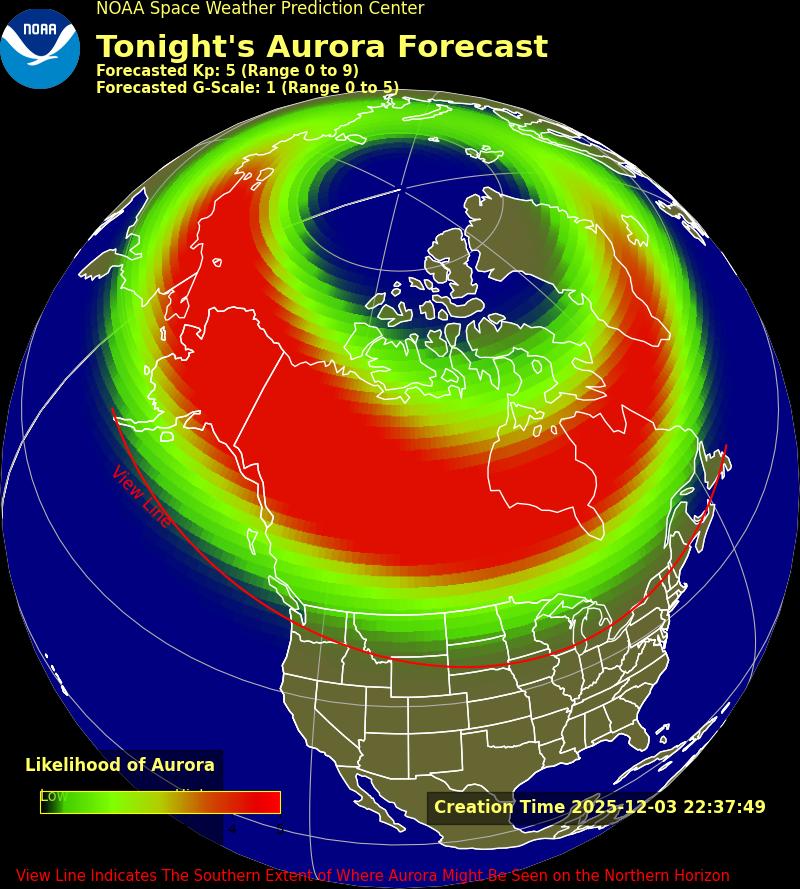
G3 storm conditions were confirmed around 3:30 EST this afternoon, and could mean auroras visible as far south as Oregon, Iowa and Pennsylvania tonight, according to NOAA. The storm could also cause GPS issues and high-frequency radio disturbances, the agency added.
Mid-latitude auroras remain likely for the rest of the week as a large, menacing sunspot region rotates into Earth’s view. Stay tuned for further updates — and, if the Northern Lights stay too far north for you, enjoy this stunning time-lapse view of auroras captured from the International Space Station by NASA astronaut Jonny Kim.
Another time lapse of the solar particle event last month. I accidentally captured parts of the window frame but I think it adds to the ISS feel. Nikon Z9 | 14mm | Nov 12, 2025. pic.twitter.com/l4UwTxOhFCDecember 3, 2025
 Brandon SpecktorSpace and Physics editor
2025-12-03T22:04:12.576Z
Brandon SpecktorSpace and Physics editor
2025-12-03T22:04:12.576Z
Flight MH370 search resumes
Precious little of the plane has been found. In 2015, a flaperon from the flight washed ashore on Réunion island, and in 2016, fragments of debris were found on Africa's eastern coast.
 Tia GhoseEditor-in-Chief (Premium)
2025-12-03T21:11:10.718Z
Tia GhoseEditor-in-Chief (Premium)
2025-12-03T21:11:10.718Z
Isolated in southern Africa
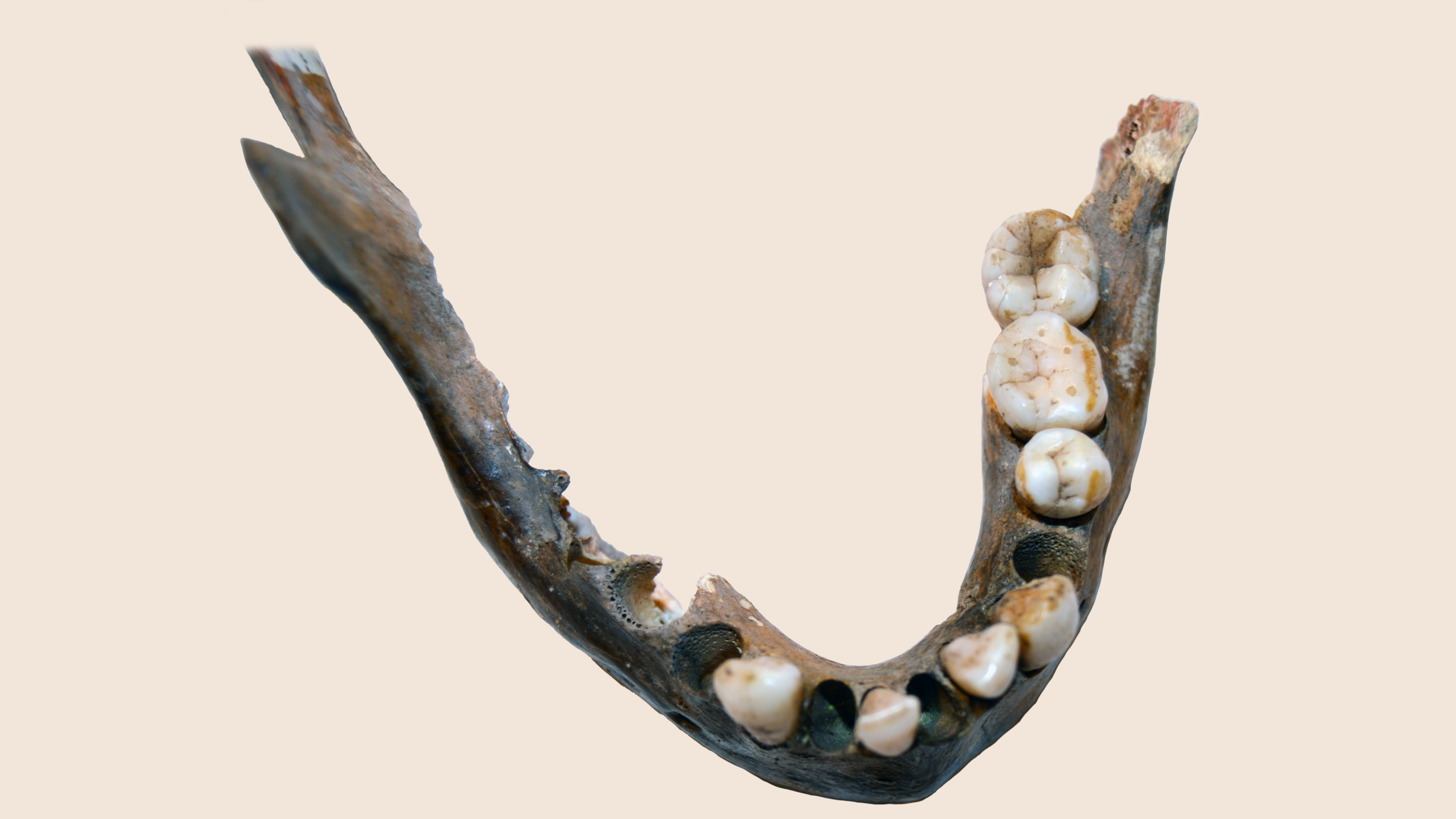
From a couple dozen ancient human genomes — including one that is over 10,000 years old — researchers have discovered that some members of our species, Homo sapiens, were geographically isolated in southern Africa for hundreds of thousands of years. It wasn't until about 1,400 years ago that this large group of people began regularly interacting with other African populations.
This ancient southern African population evolved different variants in genes that code for UV light protection and skin pigmentation — genes that have very low frequencies in other ancient and modern groups. The researchers suggested that this set of genes may have evolved as an adaptation to the region's arid grasslands, which offer limited protection from the sun.
To learn more about the history and evolution of humans in Africa, read our coverage of the published study.
 Kristina KillgroveStaff writer
2025-12-03T19:00:29.686Z
Kristina KillgroveStaff writer
2025-12-03T19:00:29.686Z
Hunt for sterile neutrino comes up empty
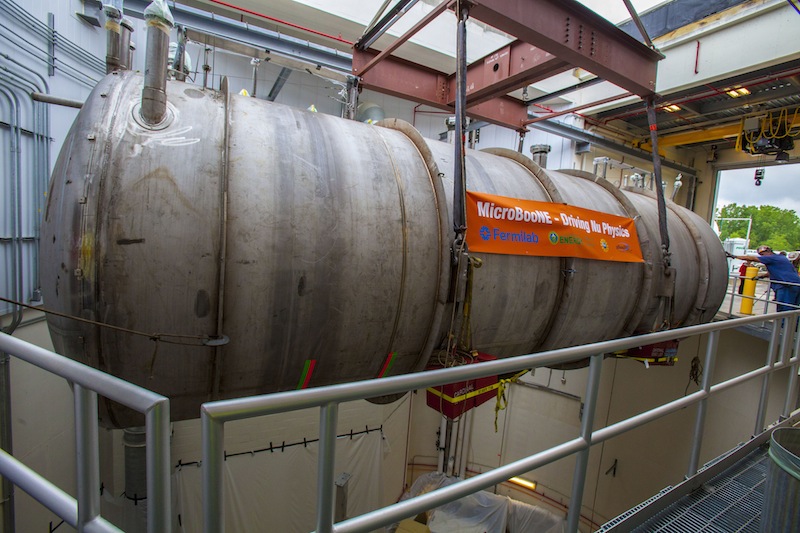
The hunt for an elusive fourth type, or "flavor" of neutrino has come up empty, scrambling the efforts to explain weird behavior that keeps cropping up in particle physics experiments.
Neutrinos are tiny, ghostly particles that rarely interact with other types of matter. Scientists already know of three flavors of neutrinos that can oscillate between each other. But for decades, scientists thought there may be a fourth. Known as the sterile neutrino, this proposed fourth type of ghost particle would not interact with matter at all, except via gravity. If they existed, these shy particles could be used to explain elusive dark matter, which does not interact with light but exerts gravitational pull.
In the 1990s, scientists conducting experiments in the Liquid Scintillator Neutrino Detector at Los Alamos National Laboratory saw hints of a neutrino that didn't interact with matter.
Then in 2018, scientists with a neutrino experiment called MiniBooNE, run by Fermilab near Chicago, said they had also spotted signs of the sterile neutrino. If it exists, the sterile neutrino would upend the Standard Model, the overarching framework that explains the behavior of subatomic particles.
Now, two follow-up experiments have found no evidence for these misbehaving neutrinos. One experiment called MicroBooNE, also run by FermiLab, was much more sensitive than MinibooNE, so its null results, reported Dec. 3 in the journal Nature, are especially convincing. A second experiment, called the Karlsruhe Tritium Neutrino (KATRIN) experiment, also showed no sign of sterile neutrinos.
So does that mean the sterile neutrino theory is dead? Not absolutely, but the two experiments did rule out large swaths of the size ranges where sterile neutrinos could plausibly be found, and where they would explain past anomalies, like the MiniBooNE and Los Alamos findings, the New York Times reported.
Tia GhoseEditor-in-Chief (Premium)
2025-12-03T18:19:13.620Z
More evidence that shingles vaccines prevent, slow dementia

Research out of Stanford Medicine adds credence to a mounting idea: that the shingles vaccine may lower recipients' dementia risk and even slow dementia in people already diagnosed. (Live Science covered some of this research in 2023, when it was released as a preprint.)
Shingles is caused by the same virus as chickenpox. Following a chickenpox infection, the virus weasels its way into nerve cells, from which it can later reawaken and trigger shingles.
There's evidence that this reactivation may raise the risk of dementia, while vaccination lowers the risk by keeping the virus in a dormant state. That exact mechanism has yet to be confirmed, but the correlation is supported by several large medical-record studies, including one out of Wales and another out of Australia.
These studies suggest that shingles vaccination may help prevent dementia — and in addition, giving the shot to people already diagnosed with dementia may slow the disease. That's according to new data from the same Stanford group that found dementia patients given the vaccine had a lower death rate in the following nine years than those not given the shot.
"This really suggests the shingles vaccine doesn't have only preventive, delaying benefits for dementia, but also therapeutic potential for those who already have dementia," the senior study author said in a statement.
Other vaccines have also been tied to a lower risk of dementias, like Alzheimer's. Read more about them here.
 Nicoletta LaneseHealth Channel Editor
2025-12-03T17:08:11.320Z
Nicoletta LaneseHealth Channel Editor
2025-12-03T17:08:11.320Z
Bye for now
2025-12-03T17:06:25.168ZWhen is the next full moon?
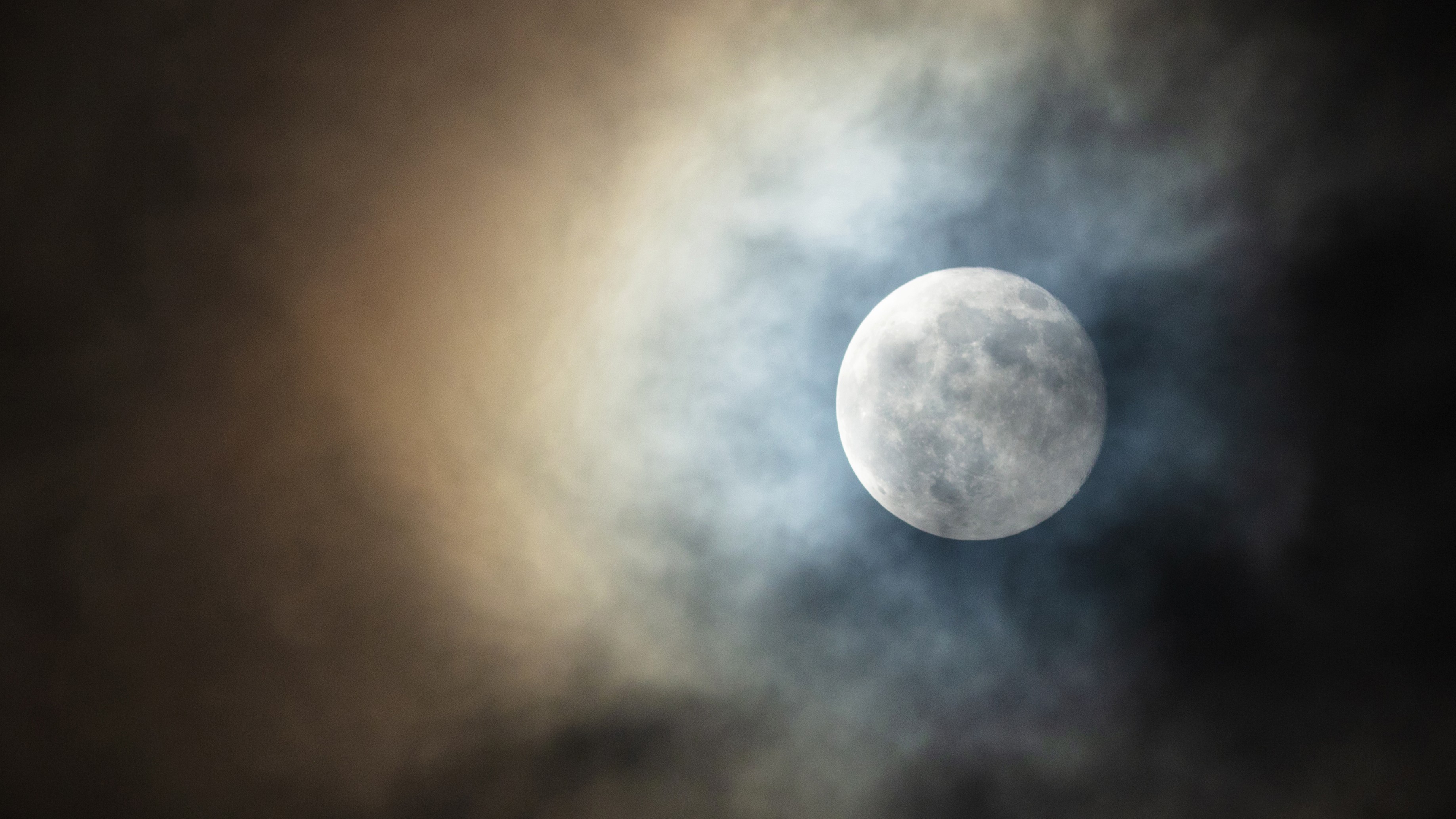
Look up tomorrow night and, as long as the skies are clear, you'll see the final full moon of 2025.
December's full moon, known as the Cold Moon, will be well worth looking out for as it's going to be a supermoon. This latest supermoon is set to be the second largest of the year and the third of four supermoons in a row.
The "Cold Supermoon" will rise at 6:14 p.m. EST on Thursday (Dec. 4).
You can read all about the upcoming full moon here.
2025-12-03T16:12:20.228ZIngredients for life detected on asteroid
NASA has found sugars essential for life in pristine samples from asteroid Bennu. We covered these Bennu samples yesterday, but this new research could have big implications for our understanding of life in the universe.
The samples contain the five-carbon sugar ribose and six-carbon glucose. Researchers had previously detected a selection of "life's ingredients" in Bennu samples, but the discovery of these bio-essential sugars completes the "inventory of ingredients crucial to life," according to a new study published in the journal Nature Geoscience.
Ultimately, the Bennu samples back up the idea that space rocks could have helped kickstart life on Earth.
2025-12-03T15:49:48.243ZLive Science news roundup
2025-12-03T15:22:01.764Z"Super-puff" planet
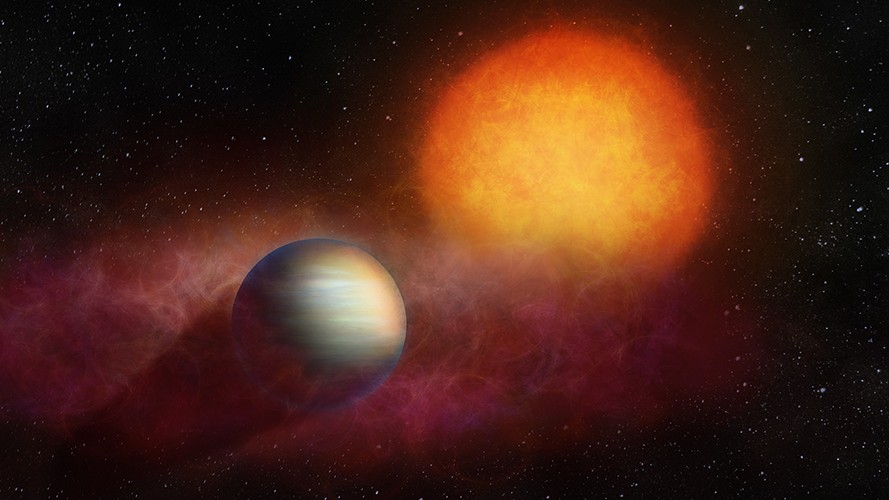
New James Webb Space Telescope observations have revealed that the "super-puff" planet WASP-107b could be losing its atmosphere, Live Science contributor Elizabeth Howell reports.
The exoplanet (a planet outside of our solar system), which is around 210 light-years away, is leaking helium into space.
Researchers say this is the first time the James Webb Space Telescope has captured helium leaving this planet. The observation could help them better understand how exoplanet atmospheres behave.
Read the full story here.
2025-12-03T14:16:41.603ZVirus miners
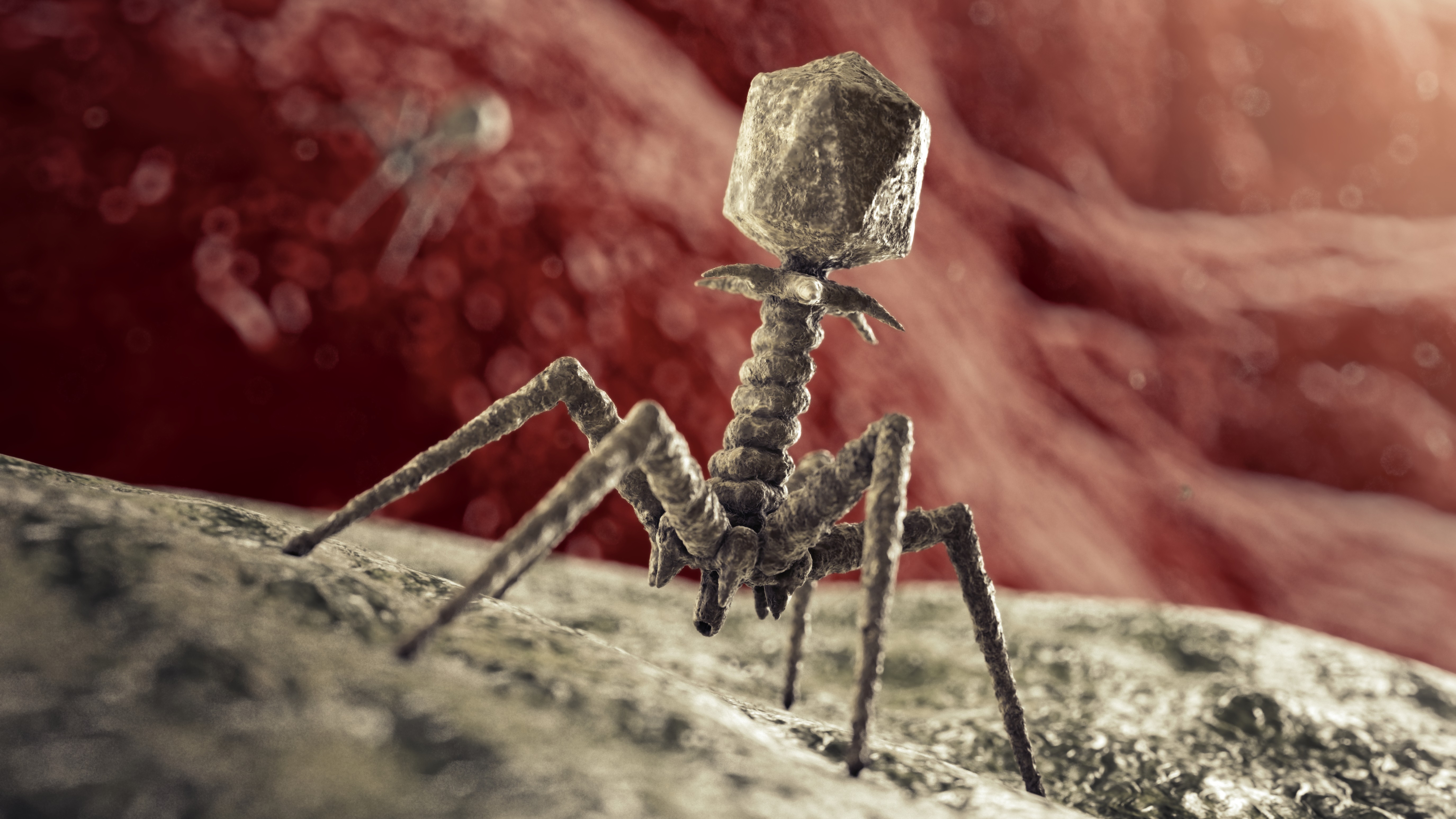
Researchers have genetically engineered a harmless virus that can mine rare earth minerals, New Atlas reports.
The viruses are designed to extract minerals from drainage water, and could offer a more environmentally friendly alternative to traditional methods for mining rare earth minerals, which are notoriously toxic.
A University of California, Berkeley-led team first presented their mining virus in October, publishing a study in the journal Nano Letters. UC Berkeley then released a statement about the research in November, before New Atlas reported on the discovery this week.
I've seen the New Atlas story getting attention on Reddit overnight, and as it seems pretty remarkable, I thought I'd share it with you here.
2025-12-03T13:13:30.824ZWake up, a mystery is afoot
 Patrick PesterTrending News Writer
2025-12-02T23:19:41.779Z
Patrick PesterTrending News Writer
2025-12-02T23:19:41.779Z
Later gator!
2025-12-02T23:16:28.607ZLaw of 'maximal randomness'

Another one from contributor Skyler Ware takes a close look at a maximally annoying experience: Dropping an object and having it break into a gazillion pieces.
A physicist took a deep look at this phenomenon and found it obeys a law of "maximal randomness" — and that the same distribution of fragment sizes holds for any cohesive unit that fractures, from pieces of spaghetti to soap bubbles.
You can read all about the physics behind this phenomenon here.
2025-12-02T22:08:37.459ZWhy anacondas are so massive
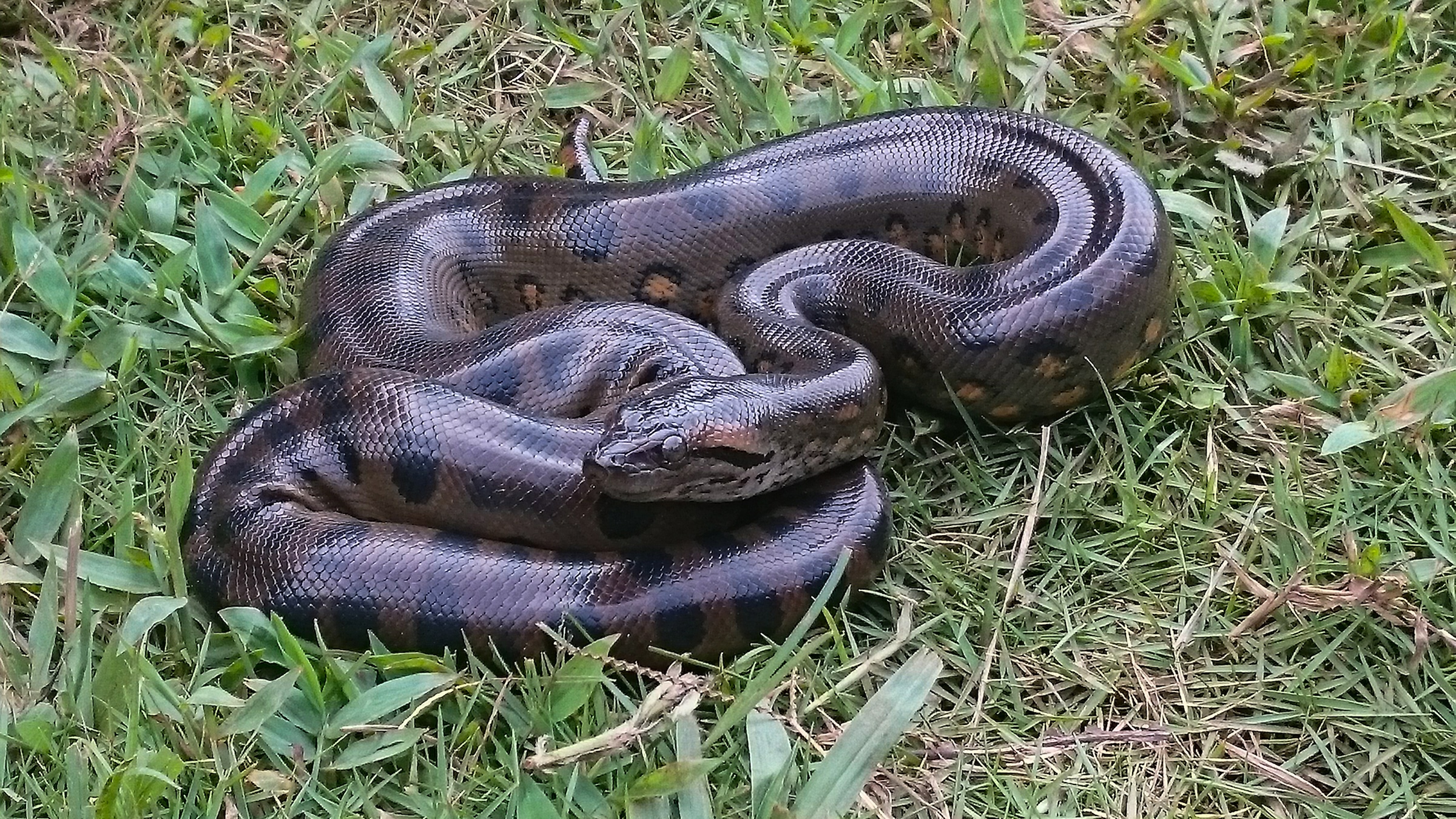
Tia here again, with a new story by contributor Skyler Ware that looks at the evolutionary history of anacondas.
The study helps answer when and why the monster snakes got so large — and why they stayed that way. It's a story with lots and twists and turns, but the long and short of it is that the anaconda's monster size is fairly unique. While other giant creatures roamed Earth in the Middle Miocene (16 million to 11.6 million years ago), most died out or got smaller over time. Anacondas, meanwhile, stayed big.
You can read all about why anacondas are still so terrifyingly large here.
Tia GhoseEditor-in-Chief (Premium)
2025-12-02T20:59:18.306Z
The Lady with the Inverted Diadem
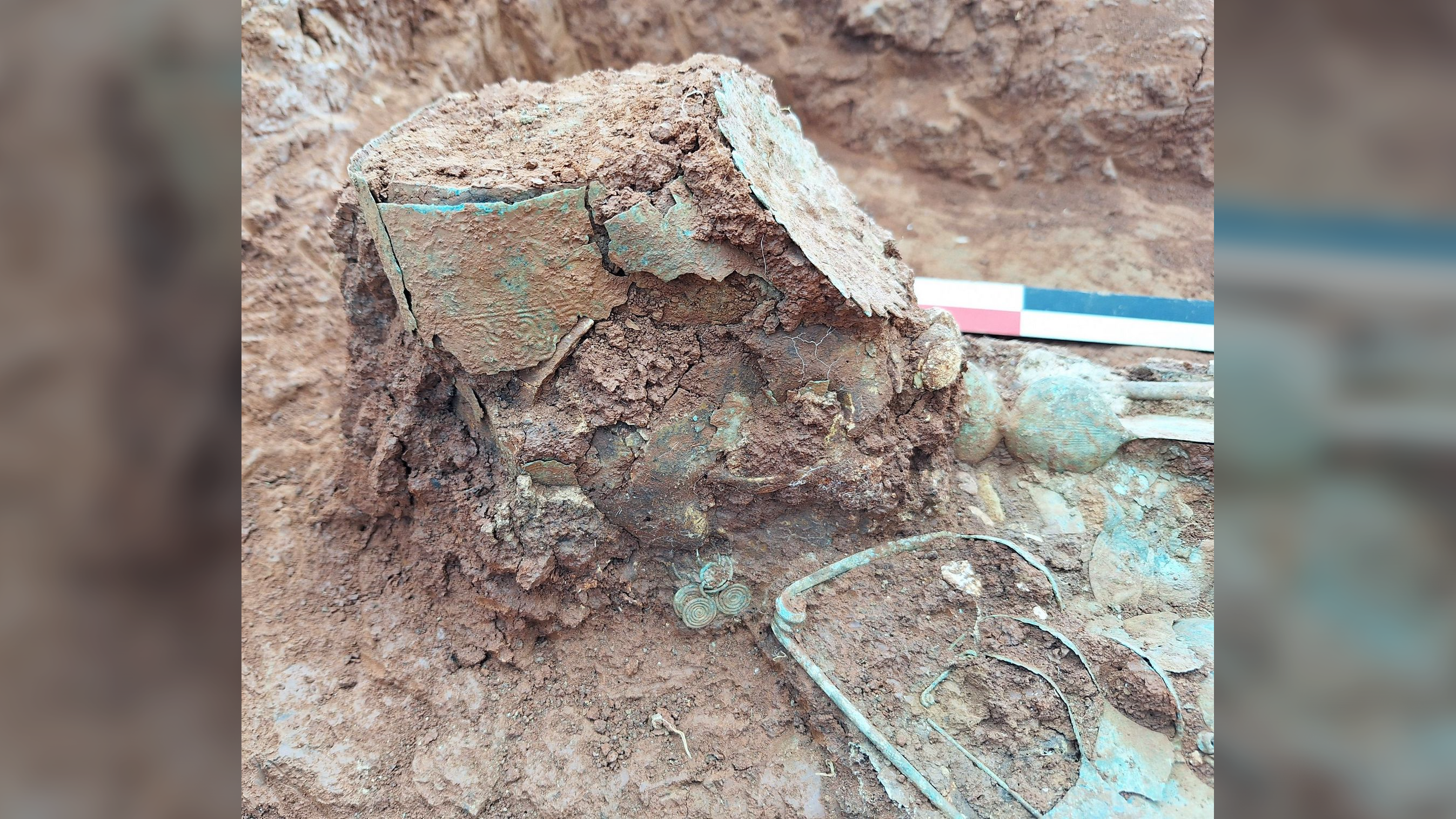
Kristina here. Archaeologists in Greece recently found the grave of a woman who was the subject of an unusual burial ritual: Her bronze crown was placed on her head upside down. The crown has a giant rosette on the front and several pairs of lions on the back, with a curlicue border. Since lions were a symbol of the ruling elite, experts think the woman's crown was inverted to show she was no longer powerful.
You can read more about this 2,700-year-old burial here. Don't miss the gallery of bronze objects found in her grave.
Kristina KillgroveStaff Writer
2025-12-02T20:14:21.270Z
Bennu's surprise
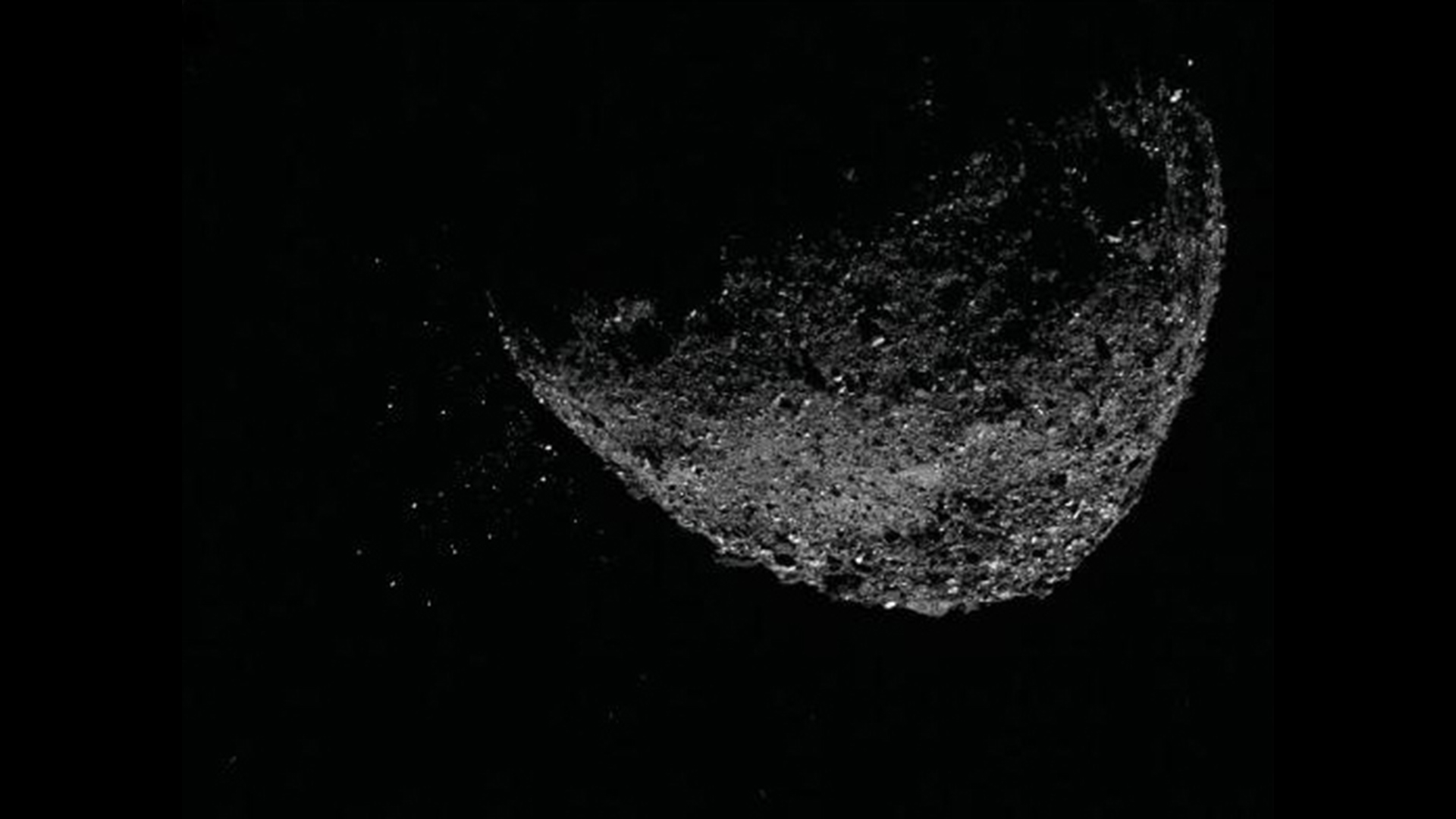
NASA has released new findings from the agency’s mission to collect samples of the potential city-killer asteroid Bennu, which a spacecraft visited for more than two years during the OSIRIS-REx mission. The space rock contained the five-carbon sugar ribose — which is part of RNA's carbon backbone — as well as the six-carbon sugar glucose, which the body uses for fuel. Researchers described the latest findings from the sample return mission in a Dec. 2 paper in the journal Nature Geoscience.
In a January study, researchers described the presence of 14 of the 20 amino acids that make proteins on Earth, as well as all five nucleobases that encode genetic information.
"The new discovery of ribose means that all of the components to form the molecule RNA are present in Bennu," Yoshihiro Furukawa of Tohoku University in Japan said in a statement from NASA.
Combined, the analyses bolster the notion that space rocks could have seeded early Earth with all the raw ingredients for life. These findings bolster the "RNA World" hypothesis that suggests RNA emerged first, with DNA evolving from that earlier molecule, the researchers say.
2025-12-02T18:24:09.250ZA law that isn't a law

Tia here, with a story I wrote about a groundbreaking talk that happened 60 years ago that changed the course of technology. On Dec. 2, 1964, a director of research at a semiconductor company gave a talk to a local chapter of a professional society. He'd noticed a trend in the industry and described it that day.
Around a half-year later, that scientist, Gordon Moore, would publish a bigger piece laying out his observations. The economic and technological trend he'd described would eventually become known as "Moore's law," and it drove innovation in the semiconductor industry for more than five decades.
It's interesting to consider whether Moore's law would have had the same impact if it had a less catchy name. The "law" wasn't dictated by any physical law of nature, yet I wonder whether giving it that sense of inevitability may have also spurred the big players in the field to invest more in innovation.
You can read all about the history of Moore's law here.
Tia GhoseEditor-in-Chief (Premium)
2025-12-02T17:18:09.601Z
Closing time
2025-12-02T17:14:04.171ZA mysterious jug
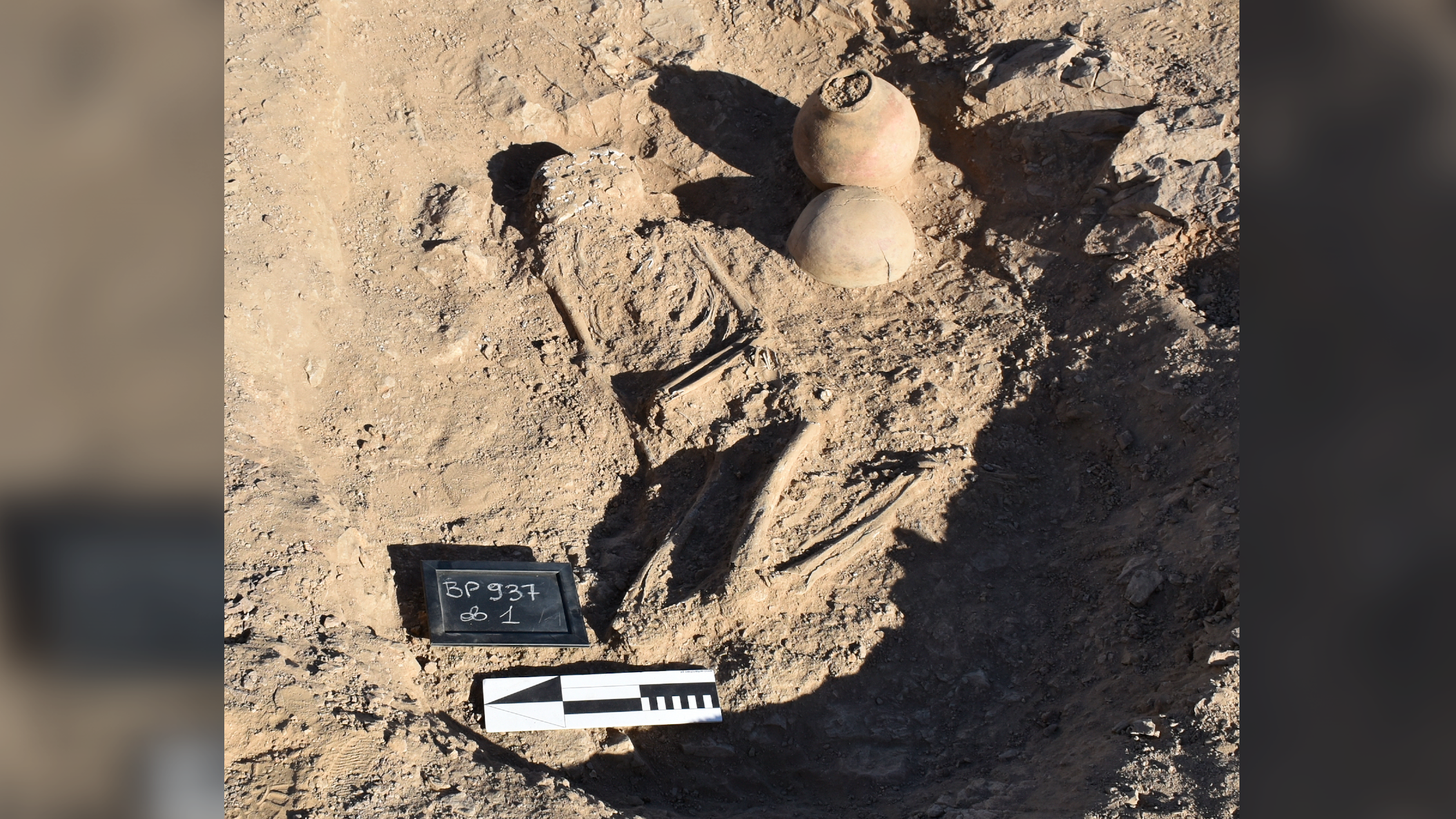
Researchers have discovered the first evidence of an unknown funeral ritual in a 4,000-year-old jug from a little known African kingdom, staff writer Kristina reports.
The ceramic jug was in an ancient grave in the Bayuda Desert of northeast Sudan. Inside the jug were the remnants of charred plants and wood, animal bones and insects, which the researchers believe are the remains of a funeral feast.
The grave dates back to between 2050 and 1750 B.C., suggesting the person inside was part of an early Nubian civilization called the Kingdom of Kerma, which neighbored ancient Egypt.
Read the full story here.
2025-12-02T16:29:14.697ZI vant to suck your genome
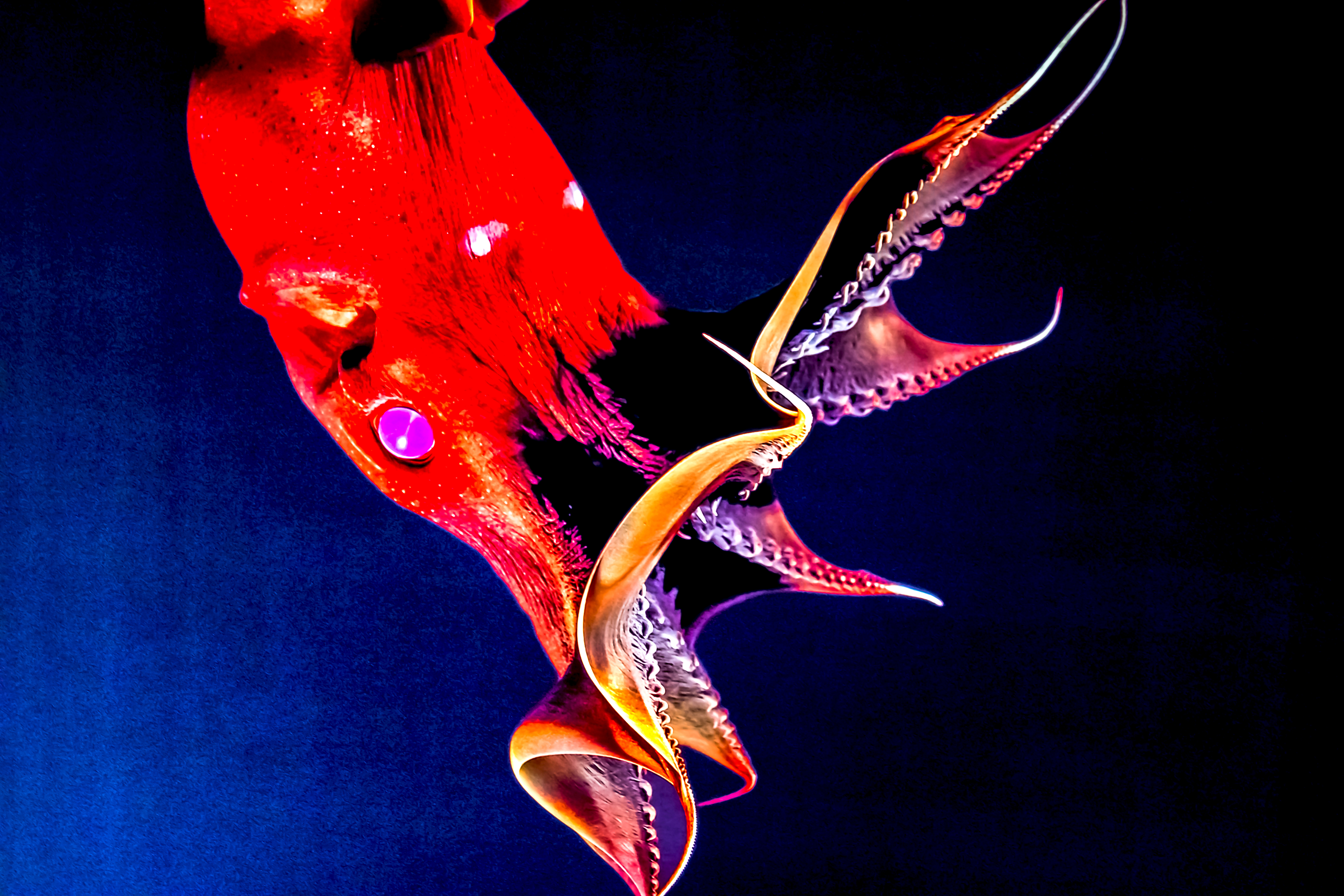
Researchers are deciphering the evolutionary origins of the enigmatic vampire squid, nicknamed the "vampire squid from hell," which is neither a squid nor an octopus, ScienceAlert reports.
Vampire squid live in the dark depths of the ocean and are equipped with a cloak-like webbing between their arms. And if that isn't vampiric enough for you, they can also be blood red.
In a new study, published in the journal iScience, researchers sequenced the vampire squid genome, which was the largest of its kind and twice as big as a squid's genome.
The study revealed that the vampire squid genetic lineage predates those of squid and octopuses, offering researchers a window into early cephalopod evolution.
2025-12-02T15:36:56.261ZBomb cyclone
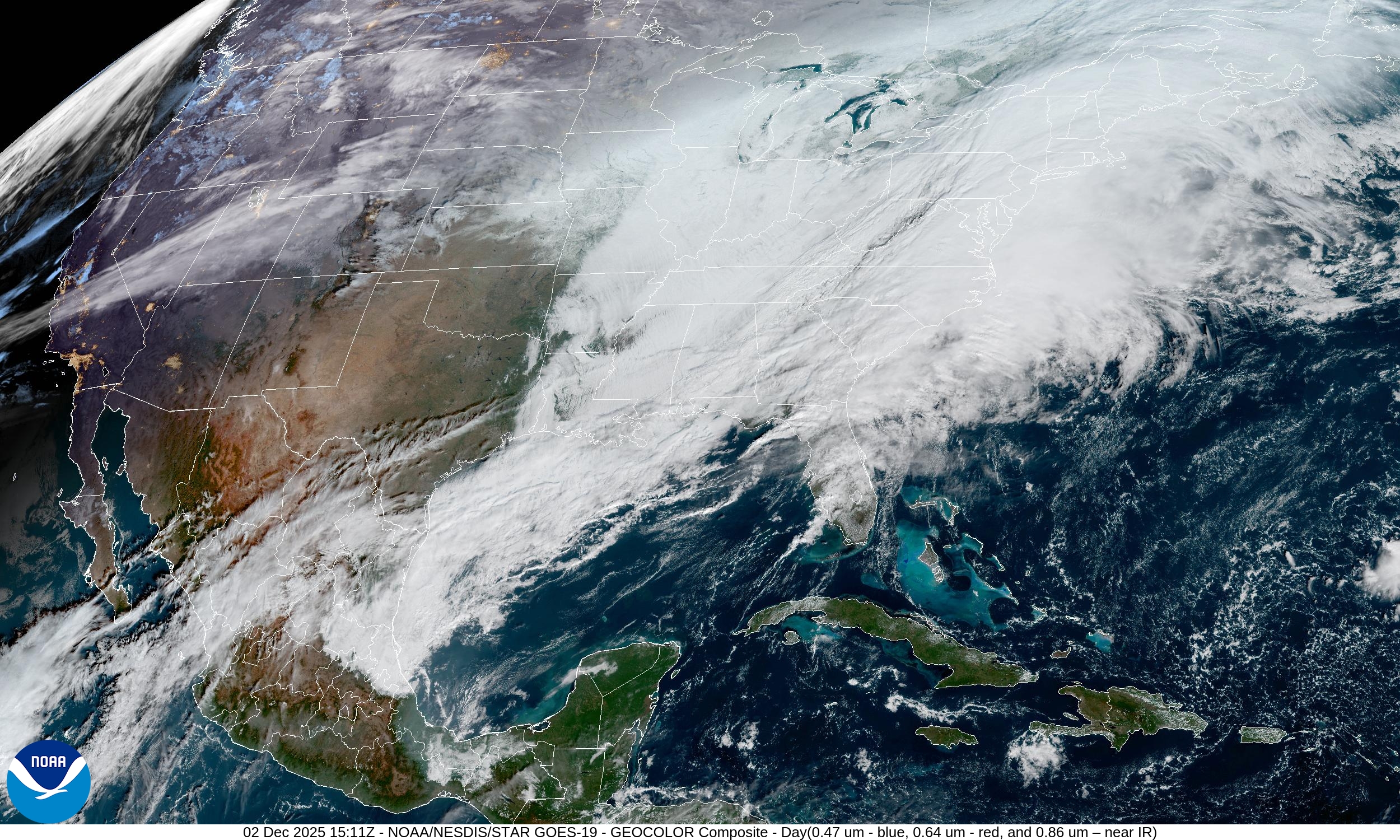
A powerful winter storm is gripping the Midwest and Northeast, with experts expecting it to strengthen into a bomb cyclone, CNN Weather reports.
Bomb cyclones are large storms that rapidly intensify through a process called "bombogenesis." Forecasters anticipate the latest storm will reach bomb cyclone status as it strengthens and moves up the New England coast.
The widespread storm is likely to bring the first proper accumulating snow of the season to several cities, including Cincinnati, Pittsburgh and Hartford.
2025-12-02T15:09:34.377ZLive Science news roundup
- 'We do not know of a similar case': 4,000-year-old burial in little-known African kingdom mystifies archaeologists
- 'Cold Supermoon' 2025: Why the final full moon of the year also towers highest
- Once-in-a-century floods set to become annual events in northeastern US in the next 75 years, study finds
- A 'functional cure' for HIV may be in reach, early trials suggest
Aurora update
NOAA's Space Weather Prediction Center has forecast a moderate geomagnetic storm for tomorrow and Thursday, with the potential for visible auroras across some of the northern and upper Midwest.
Yesterday, we brought you news of intense activity on the sun, including a powerful X1.9-class solar flare and coronal mass ejections (CMEs) — clouds of plasma — with the potential to clash with Earth.
CMEs can disrupt our satellites and communication systems and create auroras. In this case, the effects of a forecast CME are likely to be minor, but you may be able to see some pretty lights in the sky from New York to Idaho.
2025-12-02T13:09:47.027ZBlast off!
Watch Live: SpaceX Falcon 9 rocket launches 27 Starlink satellites from California - YouTube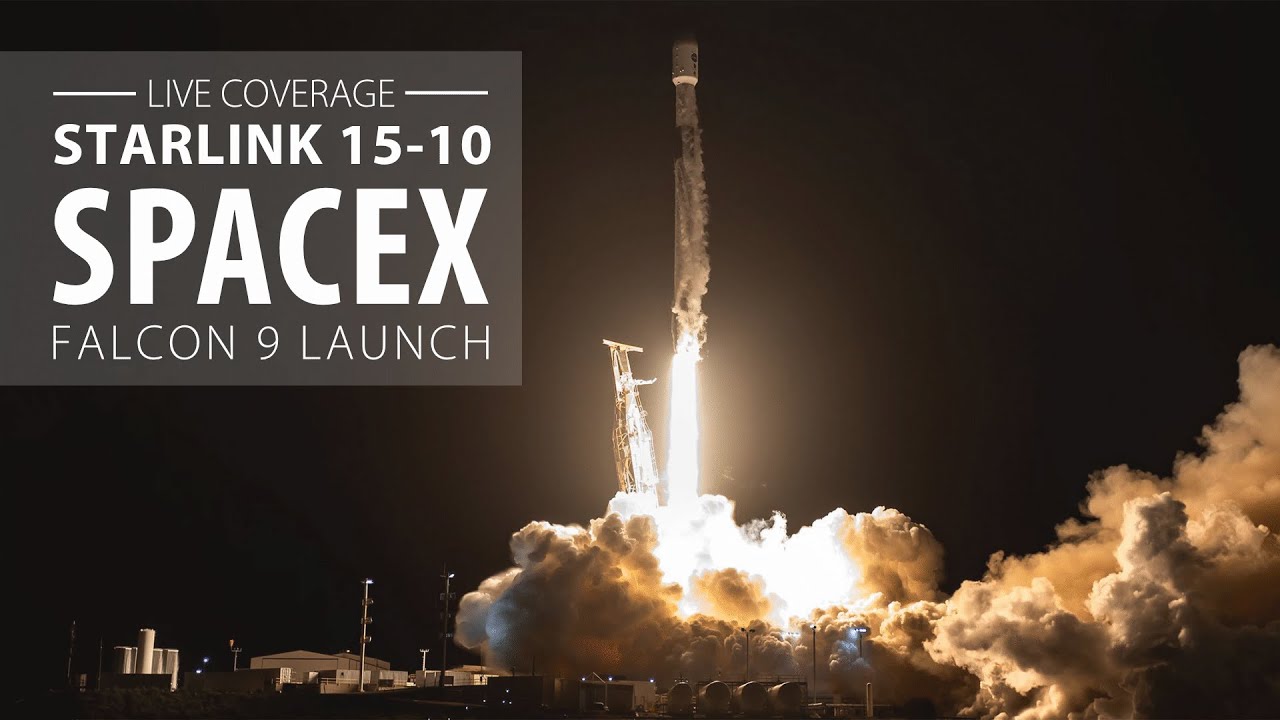 Watch On
Good morning, science fans! I'm launching today's news blog with, well, a launch. SpaceX sent its latest Falcon 9 rocket flying from the Vandenberg Space Force Base in California last night, Spaceflight Now reports.
The launch was part of the Starlink 15-10 mission, which adds another 27 Starlink satellites to the more than 2,800 satellites that SpaceX has already launched this year.
So all pretty pedestrian as far as rocket launches go, but they're still fun to watch. Click the video above and skip to the 30-minute mark if you want to see the rocket take off.
SpaceX has another Starlink satellite launch scheduled for tonight, this time from Cape Canaveral Space Force Station in Florida.
Patrick PesterTrending News Writer
2025-12-01T23:54:29.309Z
I'll show myself out
2025-12-01T23:48:35.894ZEarth had a secret neighbor
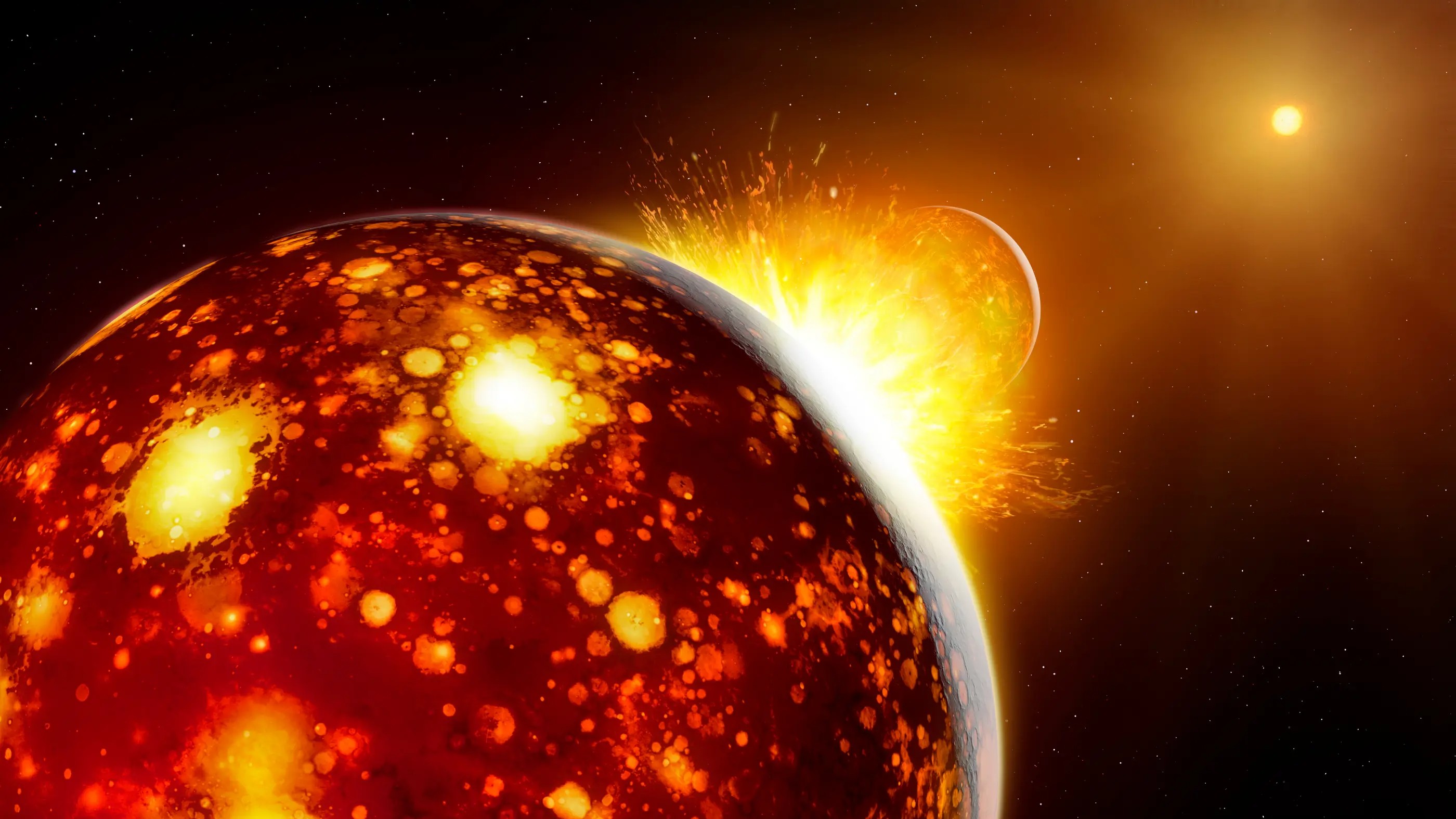
Tia here again. It's no secret that Earth's moon formed thanks to a massive collision with a Mars-size rocky body around 4.5-billion years ago. But new research suggests that this hunk of space rock, dubbed Theia, wasn't a cosmic interloper from the outer reaches of the solar system, but rather a planet that used to live next door.
That's the takeaway from analyzing samples from the Apollo moon missions, as well as meteorites and terrestrial rocks on our own planet.
Live Science contributor Sharmila Kuthunur covered the new research, which paints a picture of the chaotic first 100-million-years of Earth's history. At the time, hundreds of baby planetoids likely pinged and jostled each other in the inner solar system.
The new study clarifies certain pieces of the Earth-moon puzzle, but there are still many unresolved questions about our planet's closest companion, including why Earth and the moon have nearly-identical compositions.
You can read the full story here.
2025-12-01T22:57:20.025ZSolar flare could signal Northern Lights this week
Earth could be in for another bout of bright auroras later this week.
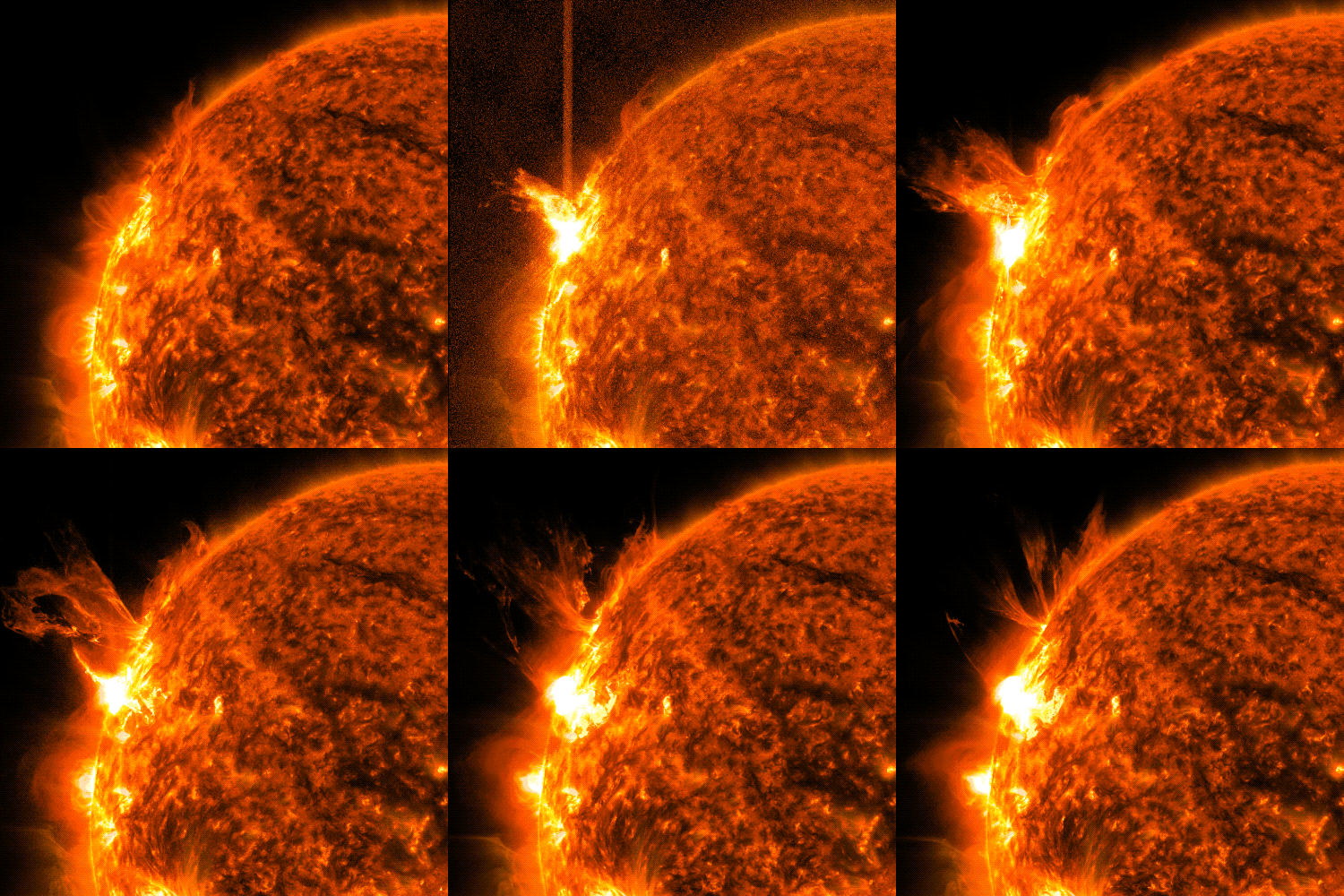
Late Sunday night (Nov. 30), a sunspot on our star's northeastern edge erupted with a powerful X1.9-class solar flare — the most intense class of flare the sun can emit. Here, courtesy of NASA's Solar Dynamics Observatory, is what the blast looked like up close:
The Sun emitted a strong solar flare on Nov. 30, 2025, peaking at 9:49 p.m. ET. NASA’s Solar Dynamics Observatory captured an image of the event, which was classified as X1.9 class: https://t.co/cAJ3UyYL6n pic.twitter.com/aJTLGKxXXlDecember 1, 2025
Radiation from the flare quickly rushed over Earth, triggering radio blackouts across parts of Australia and Southeast Asia, according to Live Science's sister site Space.com. The explosion was also accompanied by a high-speed concentration of plasma called a coronal mass ejection (CME), though this blast of solar shrapnel was angled away from Earth and is unlikely to have any impact on our planet.That might not be the case later this week. According to the National Oceanic and Atmospheric Administration's (NOAA) Space Weather Prediction Center, a large group of sunspots is presently rotating into view, putting Earth in the firing line of forthcoming eruptions.
This particular group of coronal troublemakers battered Earth with CMEs two weeks ago, pushing the Northern Lights as far south as Florida and Mexico, and NOAA predicts a 70% chance of additional solar flares between Dec. 1 and Dec. 5.
Stay tuned for more space weather updates as the story progresses.
Brandon SpecktorSpace and Physics Editor
2025-12-01T22:36:05.026Z
Do dreams change as we age?

When I was a kid, I dreamed about jumping on a giant Swiss-cheese trampoline hidden in a secret room beneath the supermarket. Last week I dreamed about paying a very large grocery bill.
But was my more recent dream so humdrum because I'm older? Or was it simply because now I pay a lot of bills, and back then I jumped on a lot of trampolines?
Live Science contributor Abby Wilson covered how dreams change as we age in one of this week's Life's Little Mysteries.
You can read the full story here.
Tia GhoseEditor-in-Chief (Premium)
2025-12-01T20:23:29.337Z
Russia accidentally destroys its last working launchpad
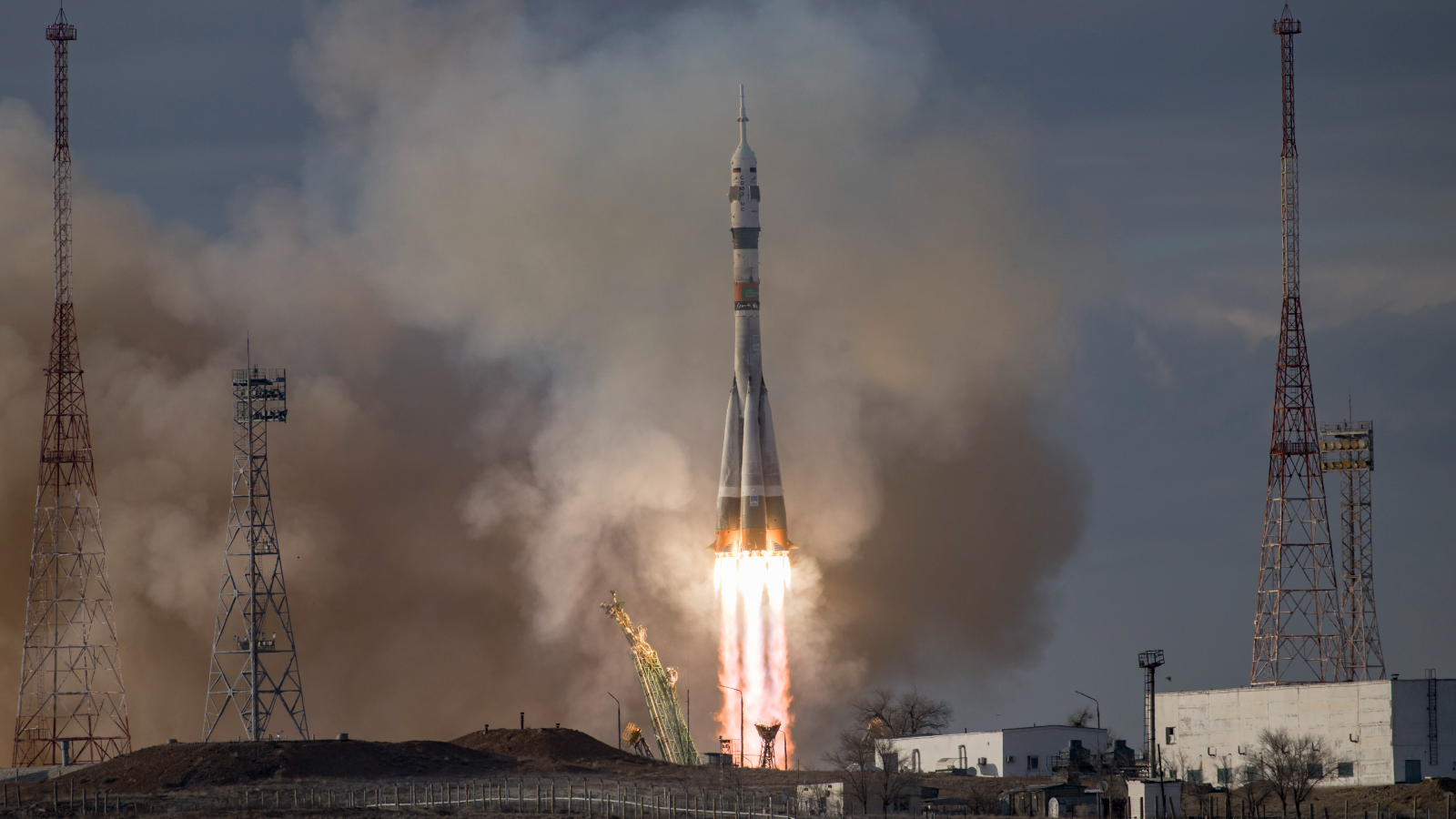
Tia here with news that Russia has accidentally messed up its sole working launchpad after sending astronauts to the ISS. The launchpad is actually not in Russia proper; it's the Baikonur Cosmodrome in Kazakhstan, but Russia uses it for all of its Soyuz rocket launches.
Senior writer Harry Baker has the details on why this likely happened and what it means for future Russian space launches.
You can read the whole story here.
2025-12-01T19:13:35.576ZComet 3I/ATLAS 'ice volcanoes'
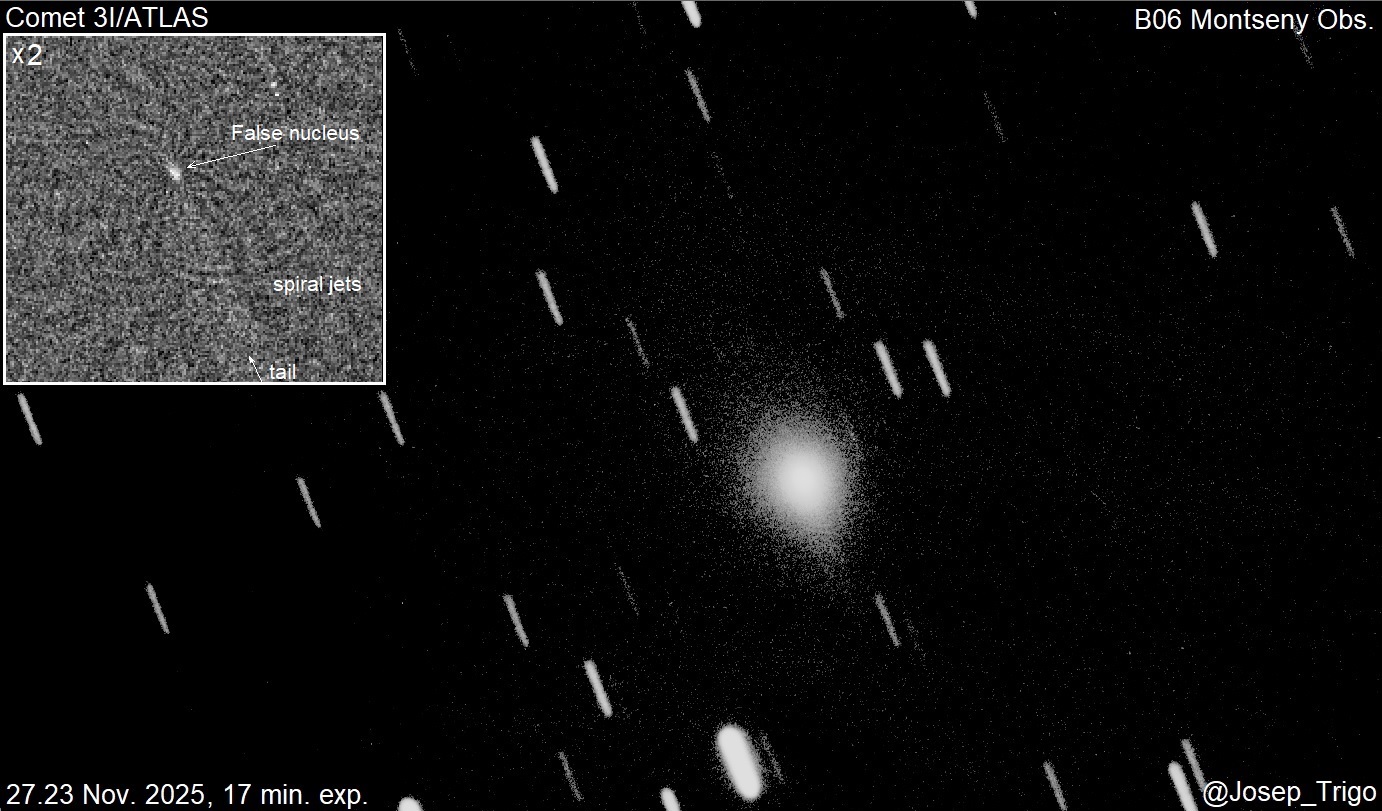
A series of cryovolcanoes, sometimes nicknamed "ice volcanoes," erupted on the surface of comet 3I/ATLAS as it approached the sun, preliminary research suggests.
I've been speaking to Josep Trigo-Rodríguez, a leading researcher at the Institute of Space Sciences (CSIC/IEEC) in Spain, who has led a preprint study about new observations of our favorite interstellar visitor.
Trigo-Rodríguez and his colleagues found that the comet could be covered in cryovolcanoes, activated by the corrosion of pristine material locked inside its core. The findings, which haven't yet been peer-reviewed, suggest that comet 3I/ATLAS is similar to icy trans-Neptunian objects — dwarf planets and other objects that orbit the sun beyond Neptune.
Read the full story here.
2025-12-01T18:42:28.295ZTip of the iceberg
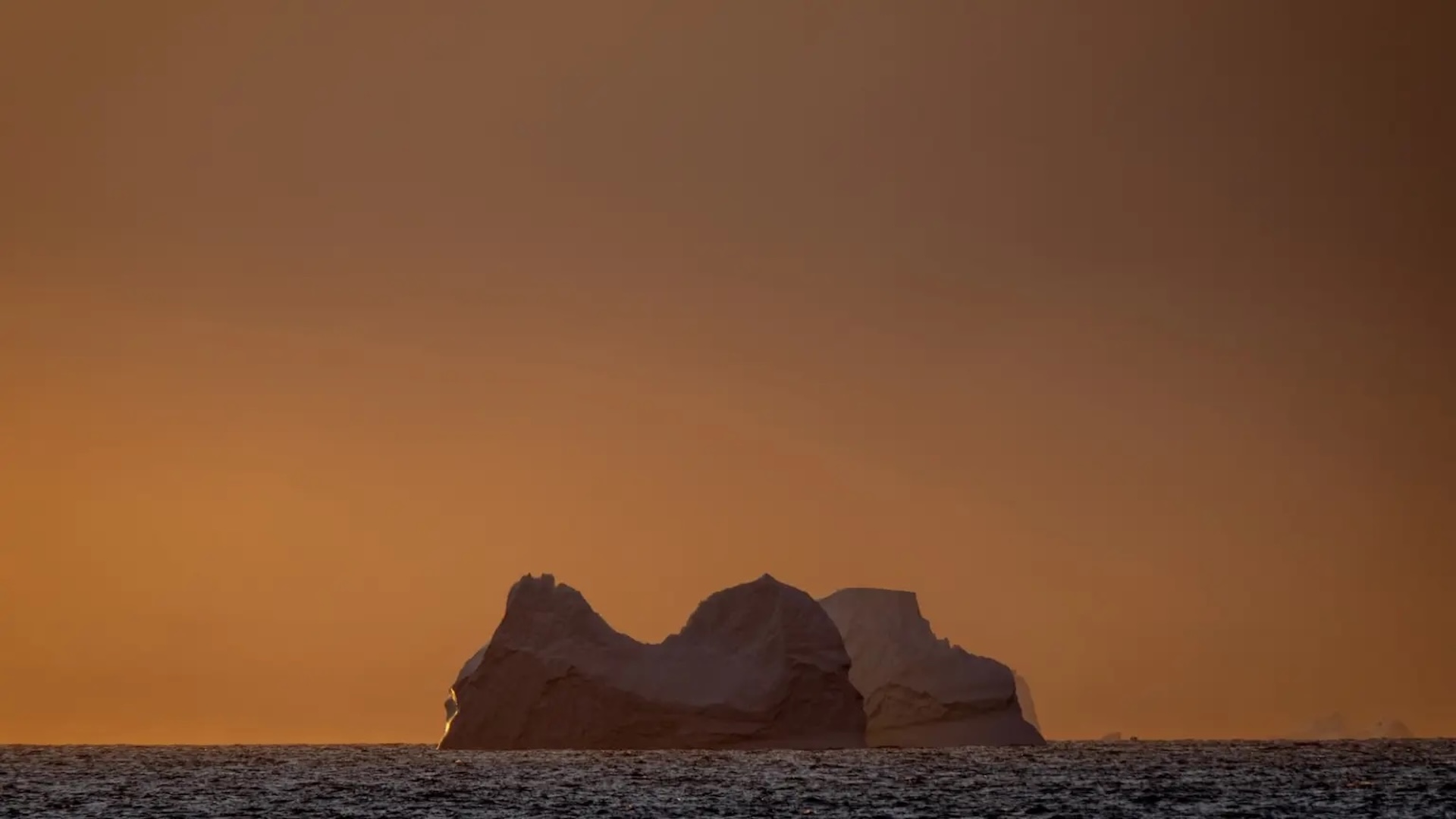
More than 500 scientists have signed an urgent climate declaration stating that our "planet's future hangs in the balance" and "if we wait, it will be too late" to address climate tipping points, according to the University of Exeter in the UK.
Tipping points are potential "points of no return" within key Earth systems beyond which lasting changes to the environment occur. The new declaration warns that global warming will soon exceed the 1.5 degrees Celsius (2.7 degrees Fahrenheit), which puts us in the "danger zone" of breaching multiple tipping points.
The declaration comes in the wake of an underwhelming COP30 agreement that had no clear mention of fossil fuels in the final text. It was a decade ago at COP21 that world leaders adopted the Paris Agreement, which promised to limit global warming to preferably below 1.5 C and well below 2 C (3.6 F).
This isn't the first time scientists have issued a stark warning about climate change, and so long as humanity fails to comprehensively address the matter, it won't be the last.
2025-12-01T18:32:17.386ZHalf the world away

Over the weekend, Kristina wrote a story about when modern humans arrived in Australia, which has proven to be a real hit with our readers.
New genetics research published in the journal Science Advances concluded that humans began to settle northern Australia by 60,000 years ago, potentially breeding with archaic humans along the way, including the "hobbit" Homo floresiensis.
Humans had to invent and use watercraft in order to reach Australia, so their arrival Down Under was an impressive feat. Researchers have long debated their arrival date, but with the new research, that debate may finally be settled.
Read the full story here.
 Patrick PesterTrending News Writer
2025-12-01T15:58:01.195Z
Patrick PesterTrending News Writer
2025-12-01T15:58:01.195Z
Clam-plane supernova
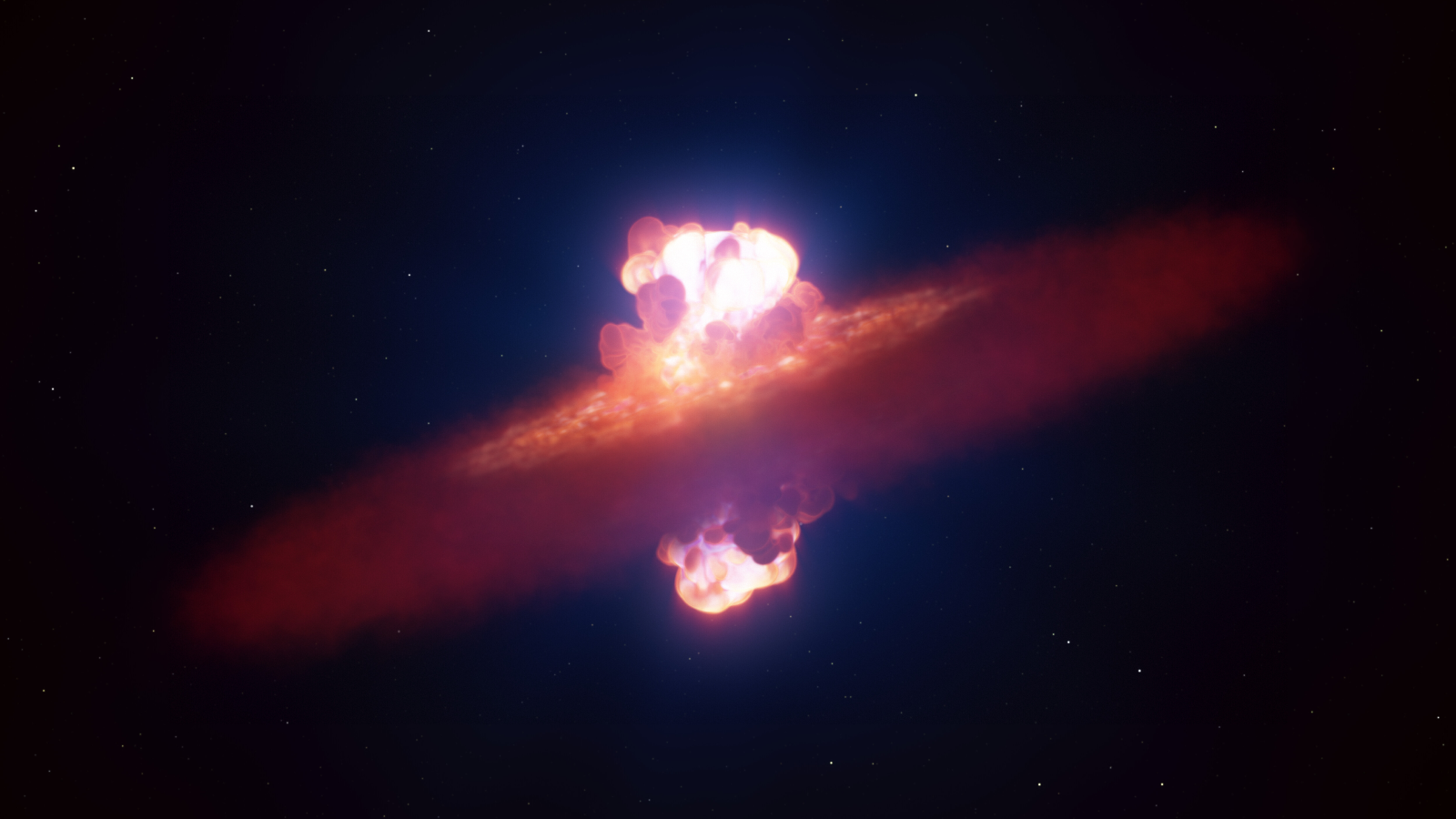
What does a nuclear explosion in space look like? As it turns out, not perfectly spherical, Live Science contributor Shreejaya Karantha writes.
New observations taken by Chile’s Very Large Telescope (VLT) have revealed that, as massive stars run out of fuel to fuse and burst, their first light isn’t emitted in all directions equally, but along a shockwave stretched along one axis, much like a clam.
You can read the full story here.
2025-12-01T15:15:17.699ZLife in the zone
And while we’re at it, mushrooms aren’t the only form of weird life thriving in Chernobyl’s exclusion zone — there are also worms that appear unscathed by the radiation; the feral descendants of pet dogs; and an endangered species of wild horse whose numbers have exploded.
If that sounds dangerous, only small parts of the zone are dangerous radiation hotspots, and tours through it ran frequently until Russia’s 2022 invasion of Ukraine.
2025-12-01T14:47:39.949ZChernobyl mushroom could be feeding on radiation

Onto terrestrial radiation now, and there are intriguing reports doing the rounds that a fungus may be using the radiation in the Chernobyl exclusion zone as food.
The fungus is called Cladosporium sphaerospermum and the strange process it could be using to mop up Chernobyl’s radiation is called radiosynthesis, which deploys melanin to metabolise ionising radiation, the BBC reports.
The process of radiosynthesis remains hypothetical for the time being, but it could stand as a potential new foundation for life on Earth.
That means that instead of photosynthesis, the fungus may be thriving off the exploded fissile material of Ukraine’s dark star. (Chernobyl is Ukrainian for wormwood, a prophesied star in The Book Of Revelation that falls to Earth to poison the waters).
2025-12-01T13:44:21.297ZLive Science roundup
- 'Potentially hazardous' asteroid 2024 YR4 was Earth's first real-life planetary defense test
- Roman sun hat: A 'very rare' 1,600-year-old brimmed cap that may have protected a Roman soldier from Egyptian sandstorms
- Antarctica's Southern Ocean might be gearing up for a thermal 'burp' that could last a century
- Time may be a psychological projection, philosopher argues
Solar flares corrupt airplanes

How much disruption can space weather really cause? Surprisingly, the answer is a lot — just ask Airbus.
Solar eruptions can grow to truly catastrophic scales, having the potential to wreak havoc on electrical systems and Earth-orbiting satellites.
Even aircraft aren’t immune from geomagnetic storms, as news broke over the weekend that aircraft manufacturer Airbus has recalled thousands of its A320 passenger jets owing to a fault that enabled intense solar radiation to "corrupt data critical to the functioning of flight controls", Gizmodo reports.
The A320 is the most delivered jetliner in history, and the recall has severely impacted some airlines such as Colombia’s Avianca, which said the issue had affected 70% of its fleet.
And as solar activity continues to unexpectedly ramp up in its activity for the next few decades, the issues posed by it are only likely to get worse.
2025-12-01T12:36:03.184ZGood morning, sunshine
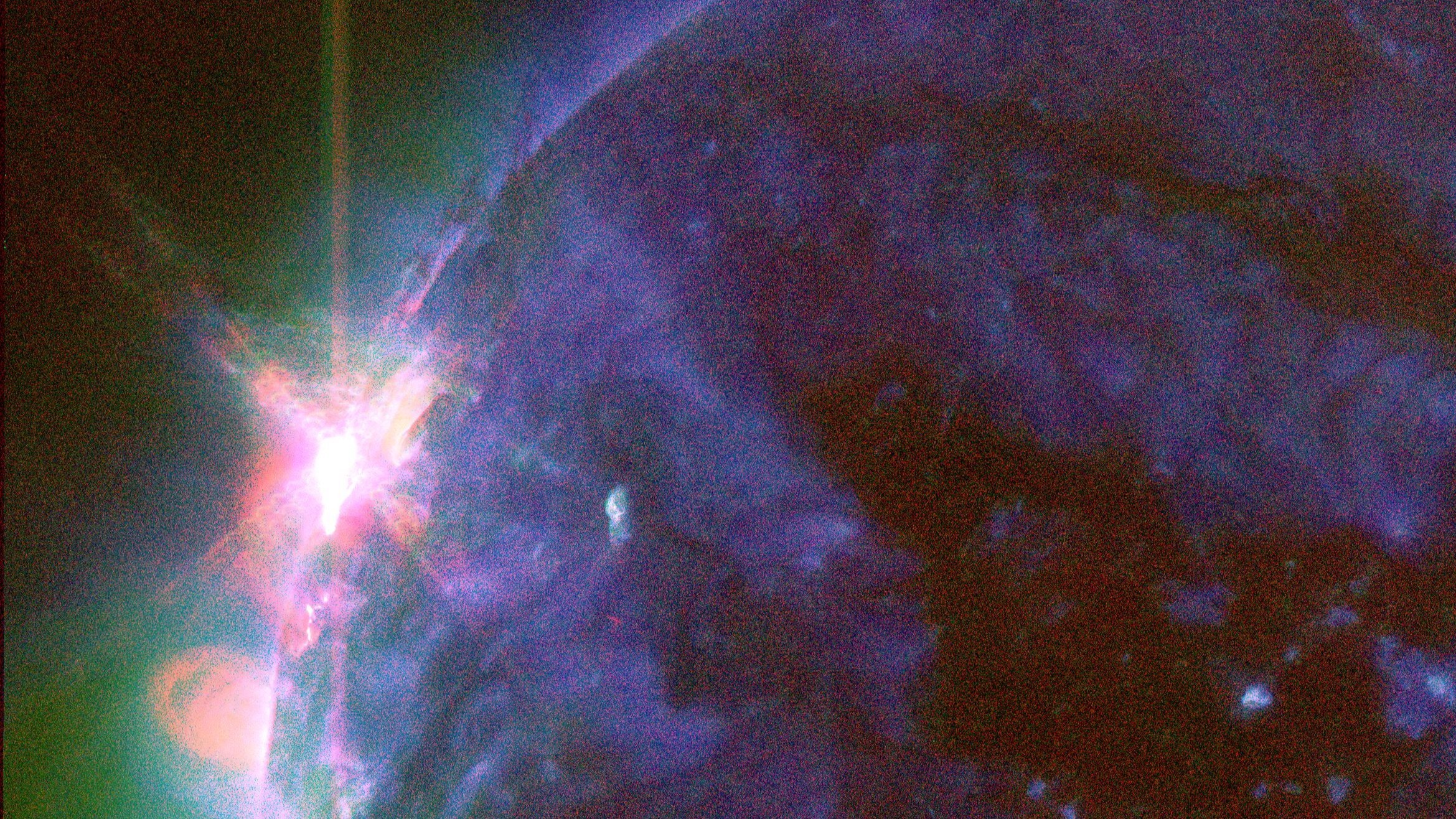
Welcome back, science fans. We’re here with news of fresh geomagnetic storms, as Earth was hit by one solar flare last night and many more — alongside a coronal mass ejection — appear to be in the offing.
Coronal mass ejections (CMEs) are large, fast-moving clouds of magnetized plasma that occasionally get spat out into space by the sun alongside solar flares — powerful explosions on our star's surface triggered when solar magnetic loops snap in half like an overstretched elastic band.
Last night’s flare was a surprise, spaceweather.com reports, coming from a new sunspot on the sun’s northern surface that appeared to be harmless until it exploded. The flare ionized the Earth’s atmosphere and caused a radio blackout over Australia.
With multiple more sunspots appearing on the sun’s surface, it could be a busy week for solar storms, potentially bringing more disruption in space and auroras here on Earth.
 Ben TurnerActing Trending News Editor
LATEST ARTICLES
Ben TurnerActing Trending News Editor
LATEST ARTICLES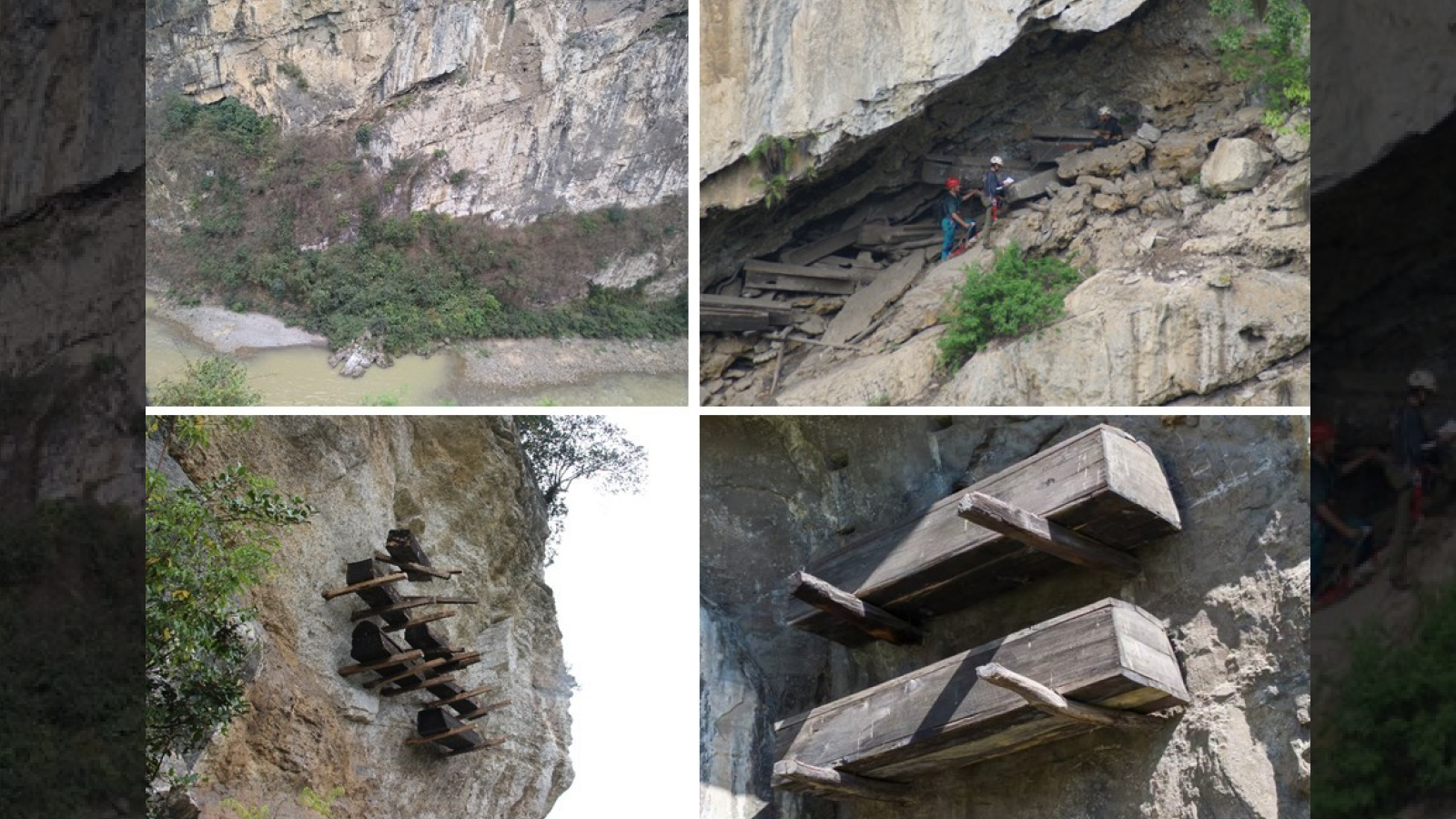 1Ancient 'hanging coffin' people in China finally identified — and their descendants still live there today
- 2'An extreme end of human genetic variation': Ancient humans were isolated in southern Africa for nearly 100,000 years, and their genetics are stunningly different
- 3China has planted so many trees it's changed the entire country's water distribution
- 4Death Valley's 'world's hottest temperature' record may be due to a human error
- 5When an AI algorithm is labeled 'female,' people are more likely to exploit it