.jpg?width=1200&auto=webp&trim=0%2C0%2C0%2C0)
- News
- Health
Report from Gates Foundation says the death rate for under-5s will increase for the first time this century
Rachel SchraerGlobal Health CorrespondentThursday 04 December 2025 05:01 GMTComments
 CloseRelated video: Healthcare volunteer Grace struggles to treat HIV patients in Uganda
Sign up for our free Health Check email to receive exclusive analysis on the week in health
Get our free Health Check email
Get our free Health Check email
Email*SIGN UPI would like to be emailed about offers, events and updates from The Independent. Read our Privacy notice
Around 200,000 more children under five are projected to die around the world this year compared with 2024 – the first time this century that has happened – after unprecedented international aid cuts from countries including the UK and US
A report from the Gates Foundation has projected that, by the end of 2025, there will be 4.8m child deaths, compared with 4.6m the year before. Deaths of under-5s around the world had fallen every year since 2000, when the toll stood at 10 million.
“This year, sadly, is almost certain to be the first year of this century where that has not just stopped, but reversed,” Gates Foundation CEO Mark Suzman told The Independent.
“By far, the largest single cause of death is the cuts in international aid,” he added. “When you pull back at short notice, that has consequences and sadly those consequences are measured in human lives.”
If funding for health decreases by 20 per cent, in line with the cuts proposed by a number of nations, 12 million more children could die by 2045, the report says.
Bill Gates, who chairs the foundation, said: “There’s something especially devastating about a child dying of a disease we know how to prevent. For decades, the world made steady progress saving children’s lives. But now, as challenges mount, that progress is reversing.
“That means more than 5,000 classrooms of children, gone before they ever learn to write their name or tie their shoes”.
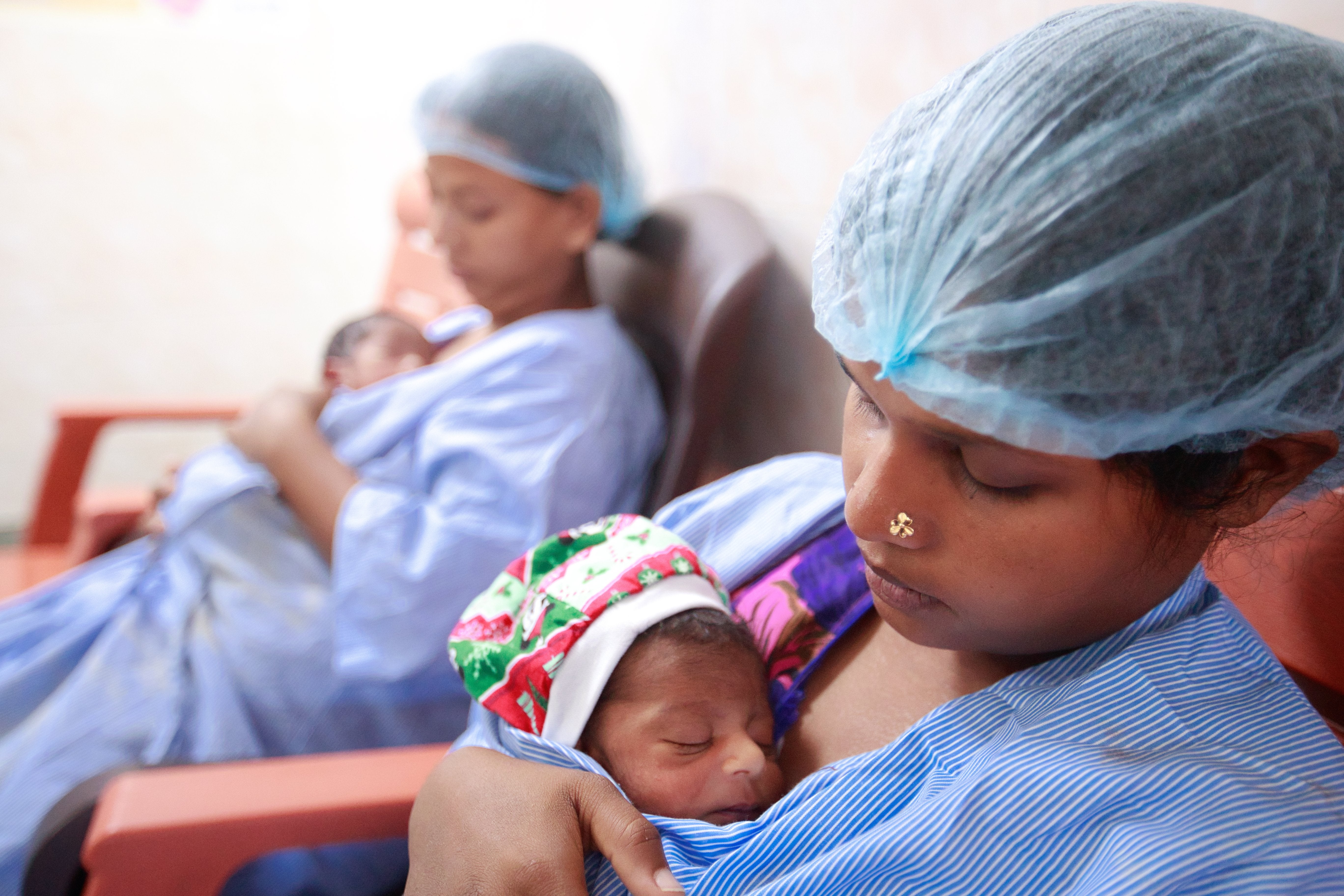 open image in galleryThe Gates Foundation is funding maternal vaccines given during pregnancy which protect babies before they are born. (AlignMNH/Manohar Rao)
The former secretary of state for international development, Sir Andrew Mitchell, described the report’s findings as an “appalling projection”.
“It is well proven that, spent correctly, foreign aid makes the difference between life and death. Now that budgets worldwide have been slashed - not least, and shockingly, by this Labour government,” he said.
“The collapse of international leadership is sounding the death knell for the world’s most vulnerable,” he added.
Conservative MP David Mundell, a member of parliament’s International Development Select Committee, said: “Once again we see decisions on cutting spending or changing the way aid is delivered has real life consequences and as ever those most impacted are the world's poorest and most vulnerable, in this case children.
“The UK needs to step up in this world of reduced funding and demonstrate leadership in how we make the best use of the resources we do have and work with partners to make sure they benefit the people in most need".
The Gates Foundation – which supports The Independent’s Rethinking Global Aid project – compiled the report in partnership with the University of Washington’s Institute for Health Metrics and Evaluation.
The biggest global aid cuts by far have come from the US. When Donald Trump took office again in January, he cancelled all foreign aid spending overnight. While some of that funding has been switched back on, the disruption “has absolutely led to lives lost,” Mr Suzman said. “Those 200,000 additional children who will die from preventable causes is essentially a fairly direct line back to those funding cuts”.
US funding for global health remains two-thirds below where it stood in 2024. Meanwhile the UK is in the process of slashing its foreign aid budget by 40 per cent, with one impact being the risk of tens of thousands more children dying of malaria.
Mr Suzman called on the UK and other rich countries to fund the most effective tools like vaccines and bed nets, “which represent a tiny proportion of their national budgets but have a disproportionate impact in terms of saving lives across low- and middle-income countries”.
“Vaccines remain the most transformative tools in global health, which is why we're working on vaccines for TB, for malaria, for HIV, because if those are successful, they can be transformative,” Mr Suzman said. But, he added, “if I had to pick one, I’d pick a malaria vaccine”.
Malaria is the world’s biggest killer of children, who account for more than three-quarters of the 600,000 people who die of the disease each year. Relatively new vaccines have proven it is possible to inoculate against the disease, but they only provide moderate protection which wears off quickly. Trials are underway to find more effective and longer-lasting ways of stopping the deadly parasite.
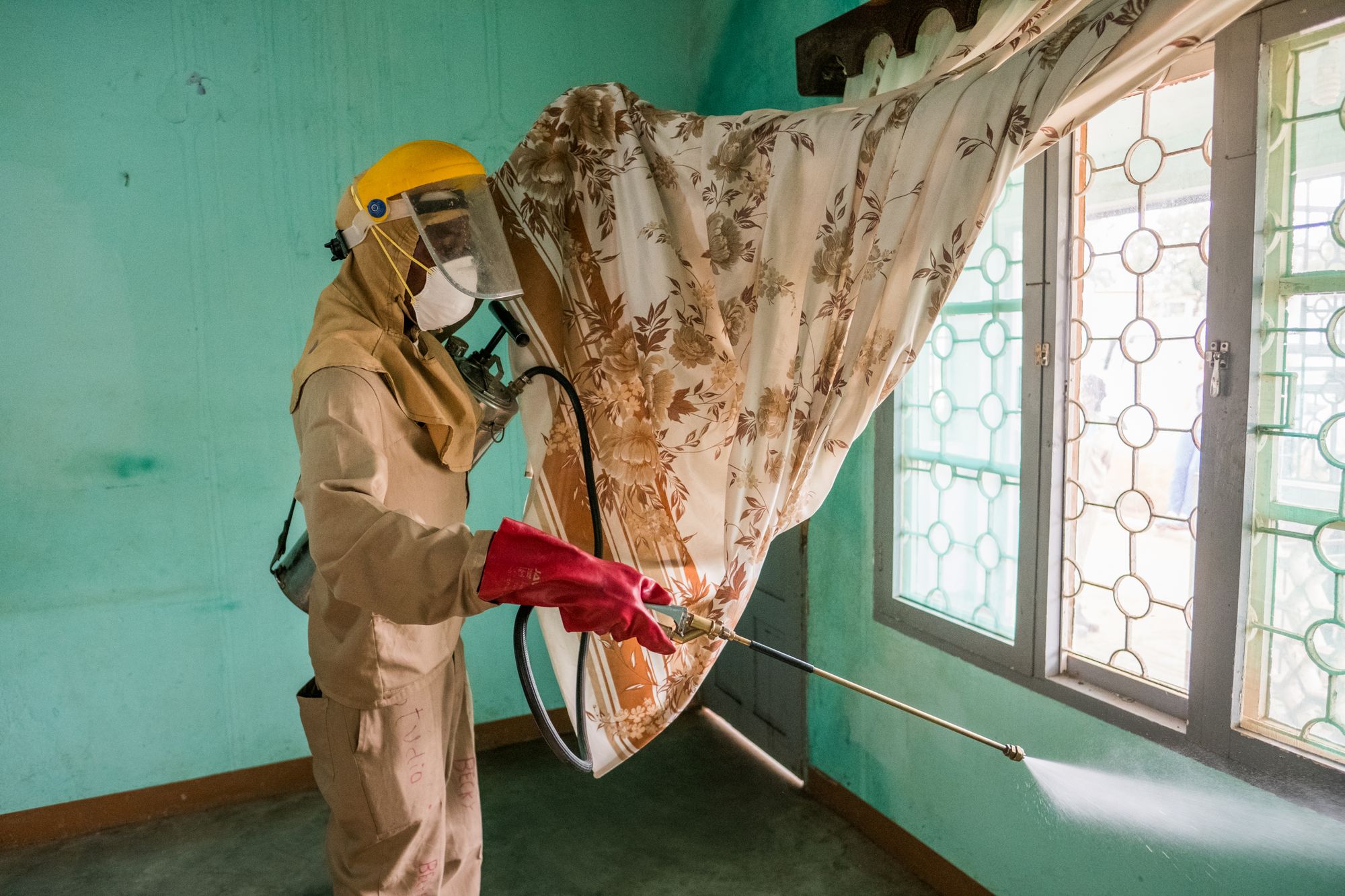 open image in galleryInsecticide spraying and bed nets can prevent bites while drugs and vaccines can stop children from getting seriously ill. (Gates Archive/Jiro Ose)
The government announced a 15 per cent cut to its contribution to the world’s largest international funder of HIV, tuberculosis (TB) and malaria treatment last month.
The Gates report also found that less than $100 per person per year to shore up healthcare systems could prevent as much as 90 per cent of child deaths, while every dollar spent on vaccines gives countries a return of $54.
“That is in fact the best way to help those low- and middle-income countries themselves build the long-term self-reliance which they aspire to,” Mr Suzman added.
Amid a cost of living squeeze and multiple global crises prompting more spending on defence, debates have raged in a number of richer countries about the public’s willingness to accept their taxes being spent on overseas aid.
“When the decision is framed abstractly,” Mr Suzman said, as: “‘should we give money to global health...rather than heating for pensioners?’ You will go, ‘No, of course we shouldn't’”. But, he added, when you ask most people: “‘If, for a pound, we can save a kid’s life in Africa or Asia by getting them a vaccination that they wouldn't have otherwise, are you comfortable spending a pound of your taxpayer dollars for that? Nearly all of them would say yes”.
This article has been produced as part of The Independent’s Rethinking Global Aid project
More about
Rethinking Global AidBill GatesMalariaVaccinesDonald TrumpJoin our commenting forum
Join thought-provoking conversations, follow other Independent readers and see their replies
Comments