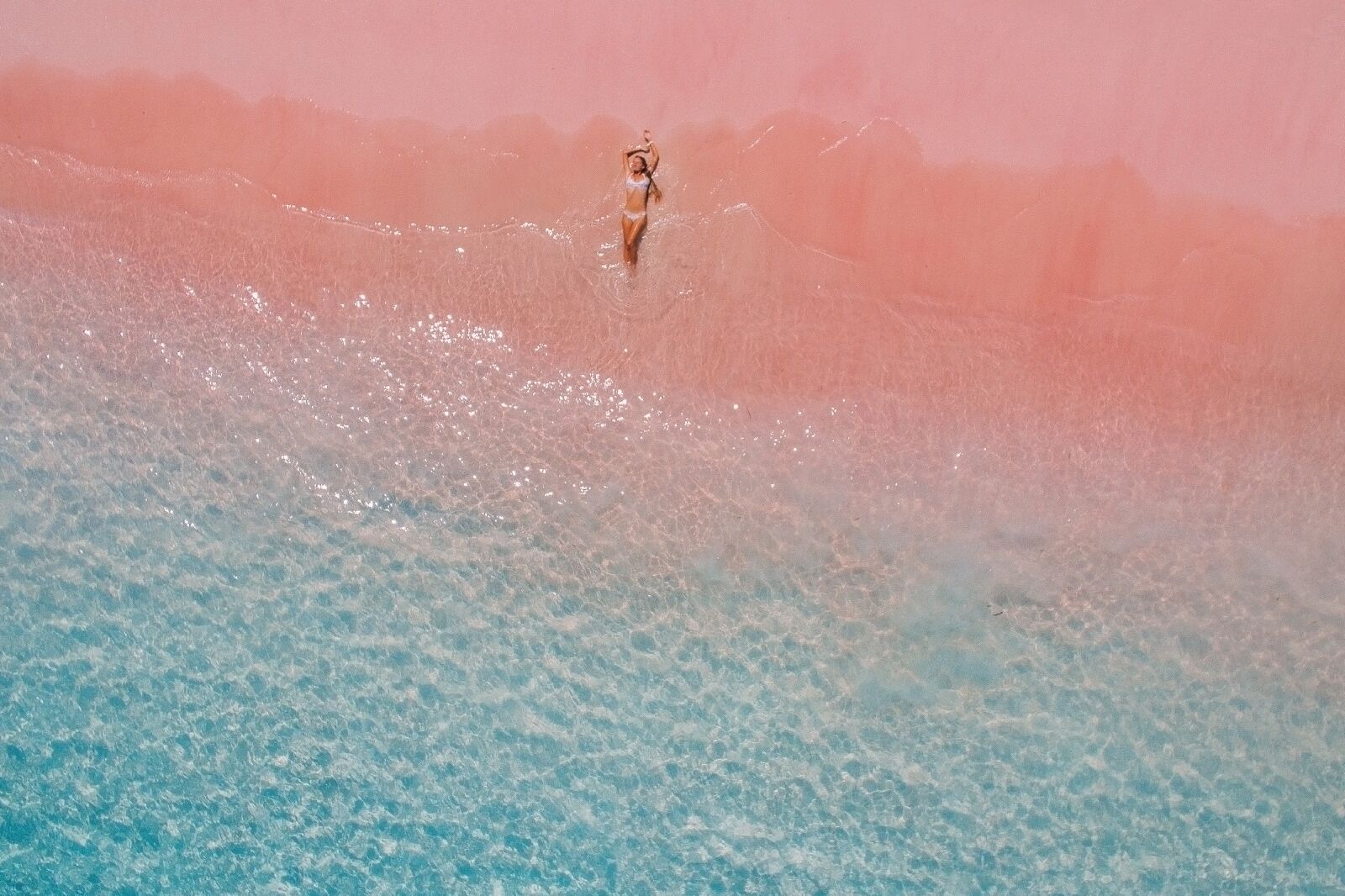
Most travelers probably think of sand at the beach being white or something close to that — perhaps a light tan. Or heck, some people may even know about black-sand beaches such as those in Hawaii. But what some people don’t know is that white and black aren’t the only options for sand — beaches can also be pink.
And it’s not just a subtle pink — some of the world’s most famous pink-sand beaches are more like magenta, or even have bright red sections. While all beaches are beautiful, it’s hard to find a natural sight prettier than the cerulean blue of the ocean lapping against the shore of a vivid pink-sand beach. And it doesn’t hurt that the sand looks even pinker when wet.
These are the 13 most impressive pink-sand beaches in the world, from Greece to Indonesia to Iceland.
We hope you love the spaces and stays we recommend! Just so you know, Matador may collect a small commission from the links on this page if you decide to book a stay. Listed prices are accurate as of the time of publication.
Africa and Indian Ocean | Asia | Caribbean and Atlantic | Europe | Pacific Islands
What causes pink sand?
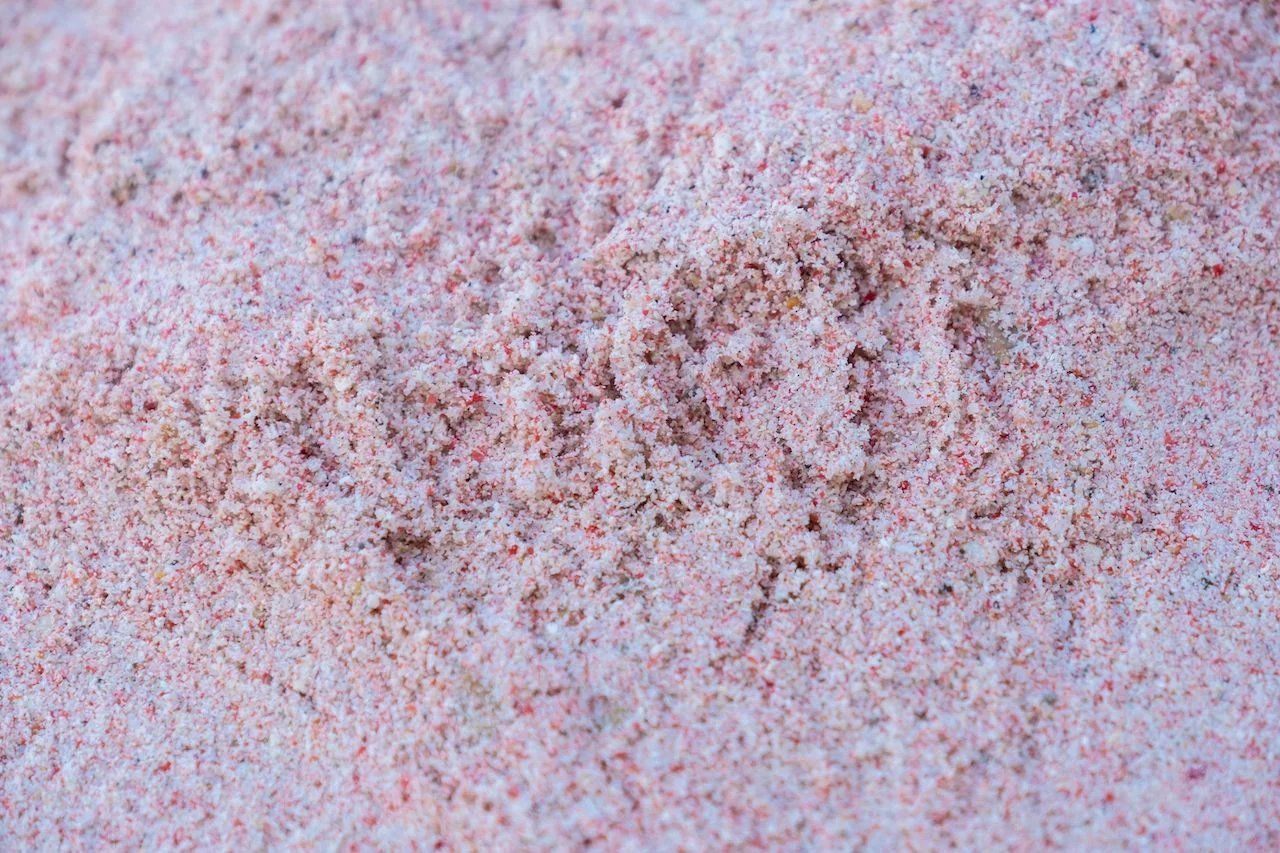
Photo: Sutiwat Jutiamornloes/Shutterstock
No matter where it is, sand is primarily made up of minerals from rocks, such as quartz and mica, that have eroded over time. Usually, there are also some tiny pieces of organic matter from the ocean mixed into the sand, such as coral and shells, that have either broken down and washed up on the beach or been processed into minuscule pieces by fish and ocean critters.
Beaches near colorful rocks like garnet, which has a red hue, may be brighter in color. And some of the best pink-`sand beaches in the world are on atolls, where the sand is made almost entirely of broken-down organic matter. If that organic matter contains organisms that are reddish in hue, like crimson-hued foraminifera (i.e., microscopic creatures that live on reefs), the sand on the nearby islands will be rosy, pinkish, or reddish.
Africa and Indian Ocean
Anse Source d’Argent, La Digue, Seychelles
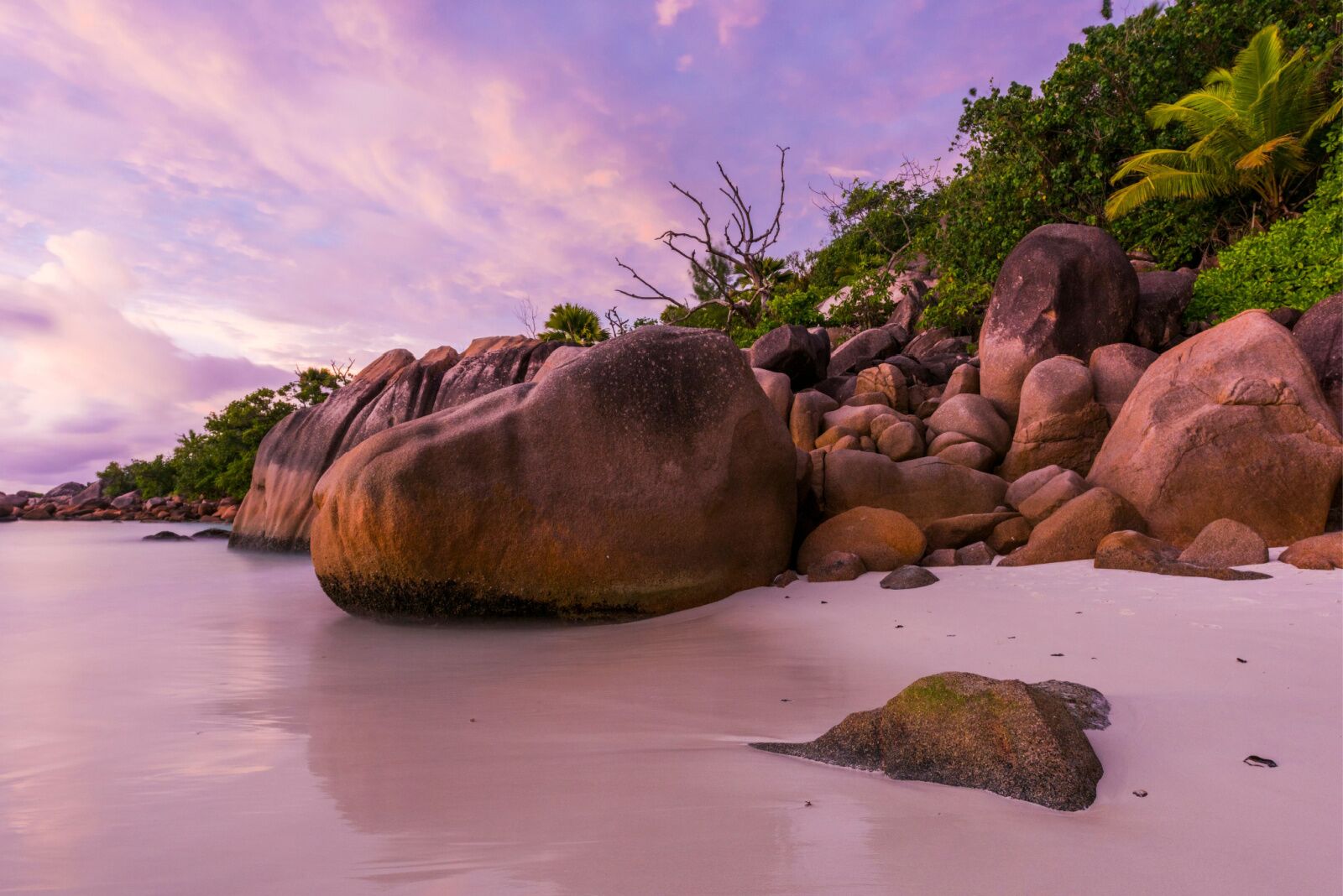
Photo: Filip Fuxa/Shutterstock
For a more far-flung pink-sand beach, head to the Seychelles, an archipelago of 115 islands in the Indian Ocean off the coast of East Africa. It’s known as a luxury honeymoon destination (as well as a world-class scuba diving spot), but it’s also highly regarded for its stunning beaches. That includes Anse Source d’Argent, a sandy stretch framed by massive granite boulders and lush palm trees. It’s the quintessential tropical island beach. As if that weren’t enough, the sand takes on a pinkish hue when wet. Visit at sunset for the most vibrant pink glow.
How to get there: Take a ferry to La Digue Island from Mahé or Praslin. Once on La Digue, rent a bicycle or walk to L’Union Estate, pay the entrance fee, and follow the signs through the estate to the beach.
Where to stay: For a luxurious stay on La Digue, Le Domaine de L’Orangeraie Resort & Spa offers hillside villas and garden suites, along with an infinity pool, spa, and on-site dining near the ferry jetty in La Passe.
Alternatively, Le Relax Luxury Lodge is a smaller, adults-only boutique property set in tropical gardens, featuring spacious Creole-style rooms and an on-site restaurant. It’s within easy cycling distance of the beach and offers a quieter, more intimate atmosphere ideal for couples.
Asia
Pantai Merah, Komodo, Indonesia
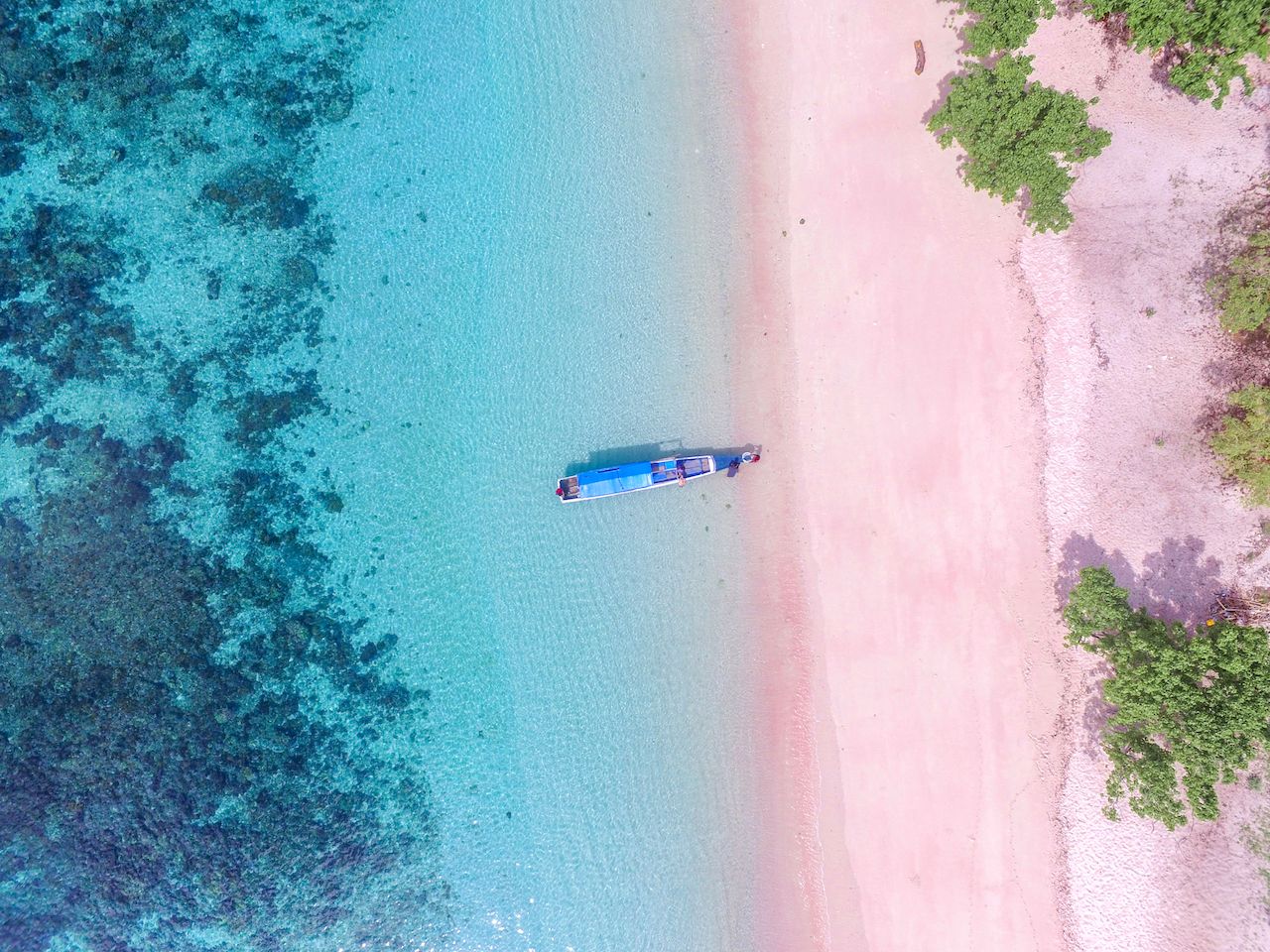
Photo: Raditya/Shutterstock
Indonesia’s Komodo Island is fascinating to most travelers for its komodo dragons, the largest lizards on Earth, but it actually has a lot more to appreciate. That includes hiking and swimming, boat tours, walks through undeveloped tropical ecosystems, and incredible pink-sand beaches.
Komodo Island is protected as part of Komodo National Park, and visitors must explore with licensed guides to help safeguard the Komodo dragon population. Most travelers visit on organized boat tours from nearby Flores or as part of a multi-day liveaboard trip, which typically includes stops for snorkeling, diving, and hiking.
How to get there: Fly to Labuan Bajo (Flores) from Bali or Jakarta. From Labuan Bajo, join a private or group boat tour to Komodo National Park, which includes a stop at Pink Beach.
Where to stay: AYANA Komodo Waecicu Beach is the area’s most upscale option, a large beachfront resort with multiple restaurants, pools, a private pier, and direct boat departures to the park. For something more boutique and eco-focused, Plataran Komodo Resort & Spa offers private villas on Waecicu Beach and organizes guided Komodo excursions.
Pantai Tangsi, Lombok, Indonesia
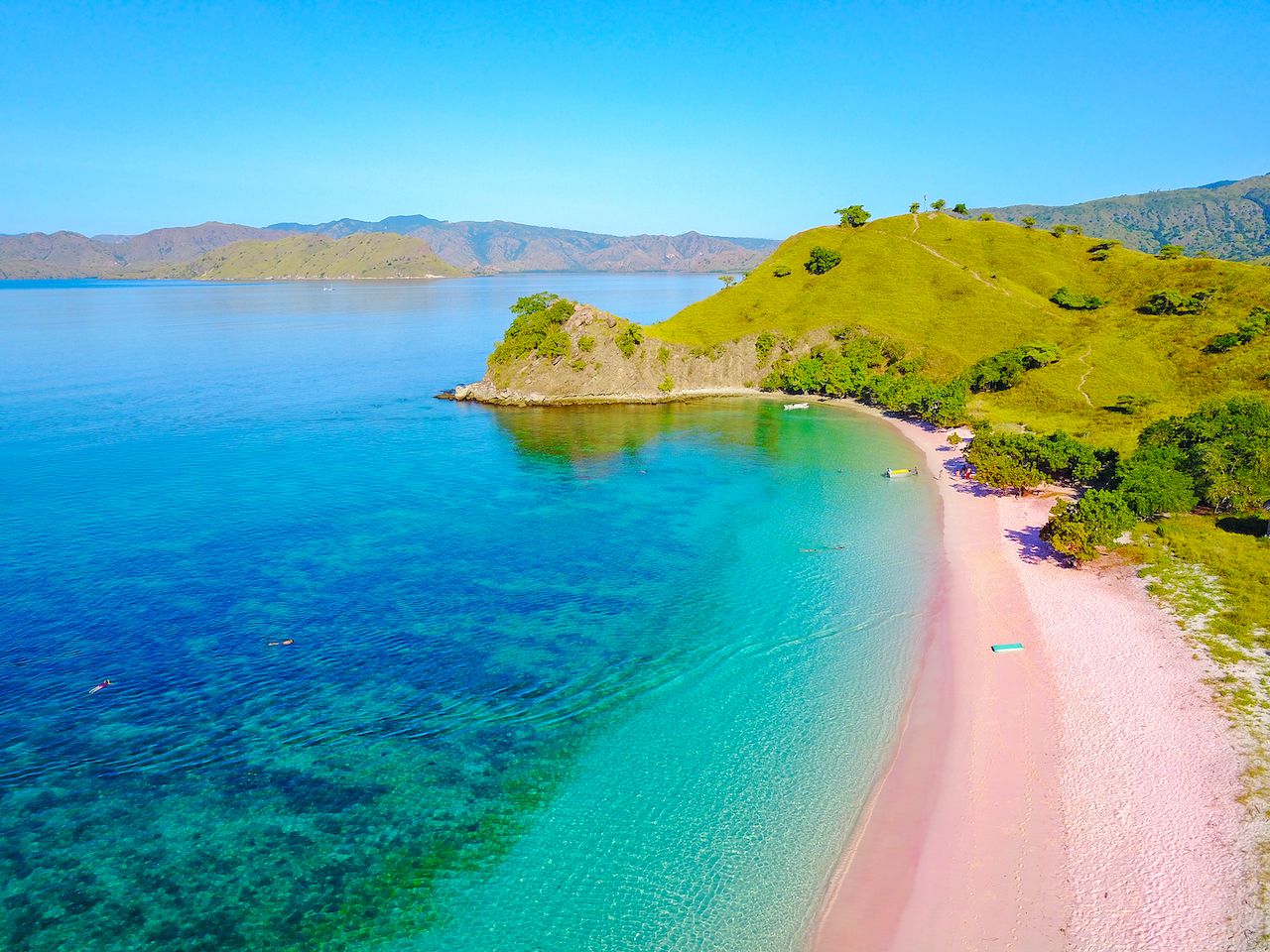
Photo: nelzajamal/Shutterstock
Travelers who don’t want to venture into Komodo National Park can find pink sand closer to Bali on Lombok. The island’s Pink Beach, also known as Pantai Tangsi, sits on the southeastern coast near the Sekaroh Peninsula and gets its soft blush tone from fragments of red coral mixed with white sand.
Beyond the beach, Lombok is known for hiking Mount Rinjani, experiencing Sasak culture, surfing along the southern coast, and offering a quieter atmosphere than neighboring Bali. It’s easy to combine with a Bali trip via a short flight or ferry, though reaching Pink Beach itself requires a long drive across the island and, in some cases, a short boat ride.
How to get there: Fly into Lombok International Airport. From there, rent a car or arrange a driver to the southeastern coast near the Sekaroh Peninsula. The beach is typically reached by road, though some visitors opt for a short boat ride from nearby fishing villages.
Where to stay: For a stylish boutique stay in southern Lombok, Origin Lombok in Kuta offers modern villas and a relaxed atmosphere about a three-hour drive from Pink Beach. Those looking for a larger beachfront resort should check out Novotel Lombok Resort & Villas near Tanjung Aan, which has direct beach access and family-friendly amenities.
Caribbean and Atlantic
Pink Sands Beach, Harbour Island, Bahamas
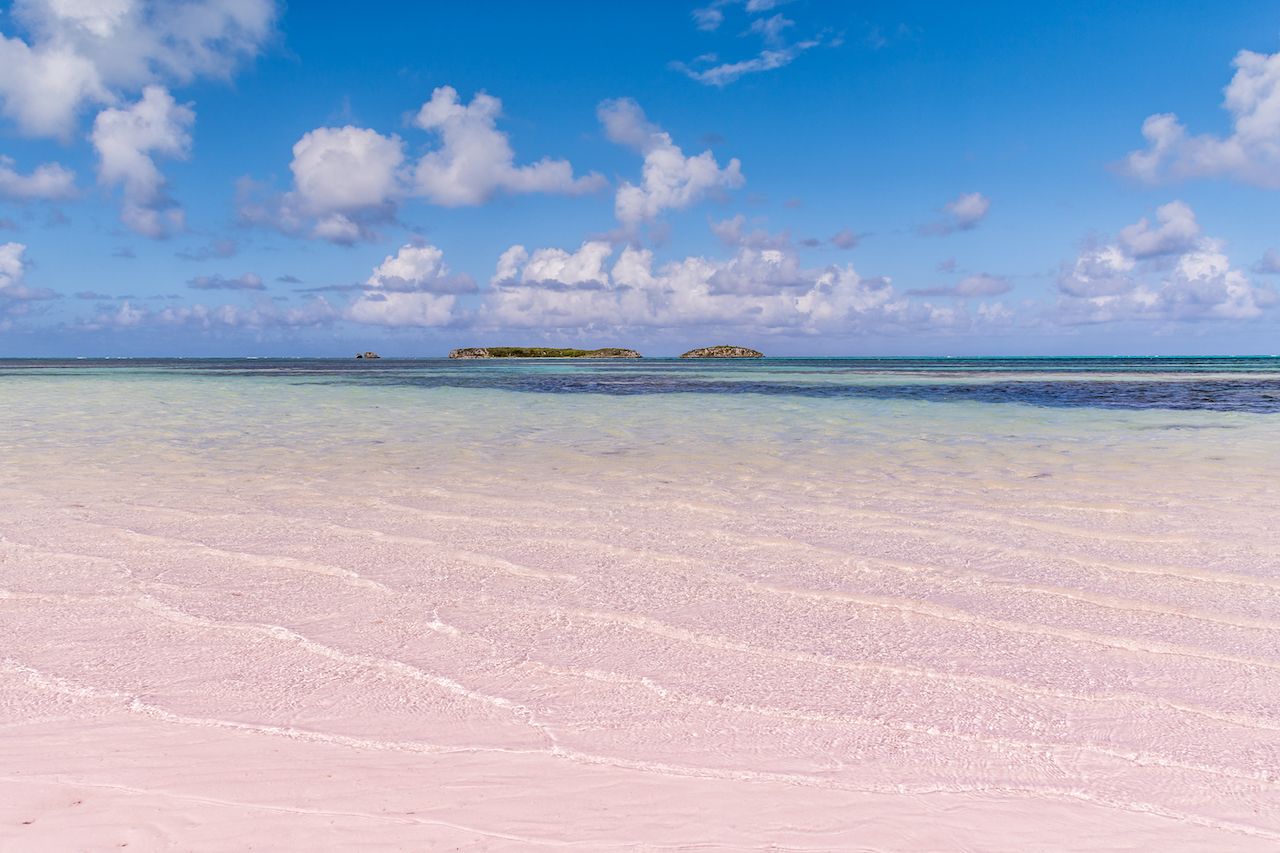
Photo: Gus Garcia/Shutterstock
The blush-colored sand on this heavily visited island in the Bahamas is due to foraminifera living in the surrounding reefs. When these tiny organisms wash ashore, they tint the sand pink. Pink Sands Beach stretches nearly three miles, giving visitors plenty of room to stroll without ever stepping onto white sand.
Its generous size also means there’s ample space to settle in for the day, alternating between snorkeling, relaxing in the surf, or reading a book on the dreamily toned sand. While Harbour Island is best known for its pastel-hued beach, it also offers charming cafes and boutiques when you need a break from the sun. The easiest way to get there is to fly into Nassau International Airport (NAS), then take a short domestic flight to North Eleuthera Airport (ELH).
How to get there: Fly to North Eleuthera Airport (ELH) via Nassau or directly from select US cities. Take a taxi to the ferry dock, then a short water taxi to Harbour Island. The beach is a short walk or golf cart ride from most accommodations.
Where to stay: Pink Sands Resort sits directly on the famous beach and is one of the island’s signature stays, offering cottages and villas along the shoreline. Coral Sands Inn & Cottages is another long-running beachfront favorite with classic Bahamian charm.
Horseshoe Bay, Bermuda
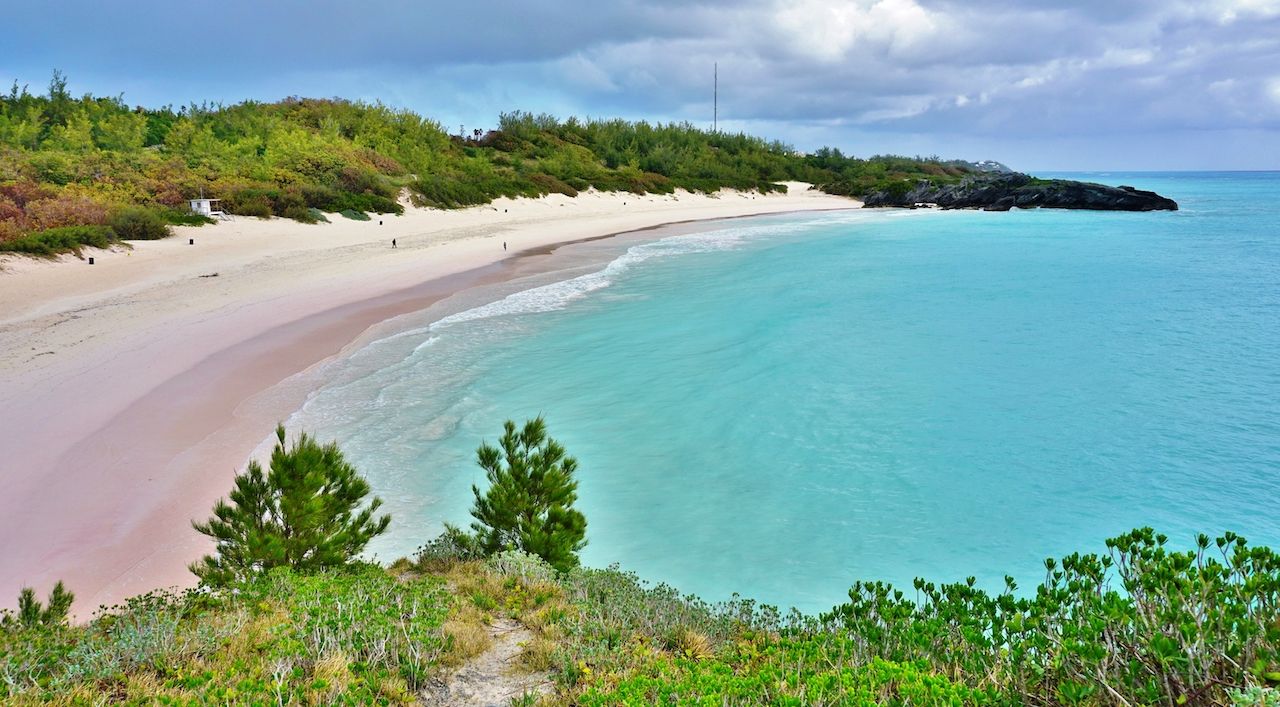
Photo: EQRoy/Shutterstock
Horseshoe Bay is Bermuda’s most famous pink-sand beach, a wide crescent along the island’s South Shore known for its blush-toned sand and clear turquoise water. Like many beaches in Bermuda, the pink hue comes from crushed coral and microscopic red foraminifera shells mixed with white sand. Though it’s one of the island’s most popular beaches, its size means there’s plenty of space to spread out, and smaller coves nearby offer quieter stretches of shoreline.
How to get there: Fly into L.F. Wade International Airport, Bermuda. From there, take a taxi or public bus to the South Shore; Horseshoe Bay is well signposted and easily accessible by road.
Where to stay: Pink-sand beaches line much of Bermuda’s South Shore, so many hotels in the area offer direct access or sweeping ocean views. The Loren at Pink Beach sits on a secluded stretch of sand with a noticeable pink hue, while The Reefs and Coco Reef Resort are both positioned along the South Shore with easy access to blush-toned beaches. Even the iconic Hamilton Princess in the capital offers a private beach club on the South Shore, accessible by shuttle, where guests can enjoy Bermuda’s signature pink sands.
Crane Beach, Barbados
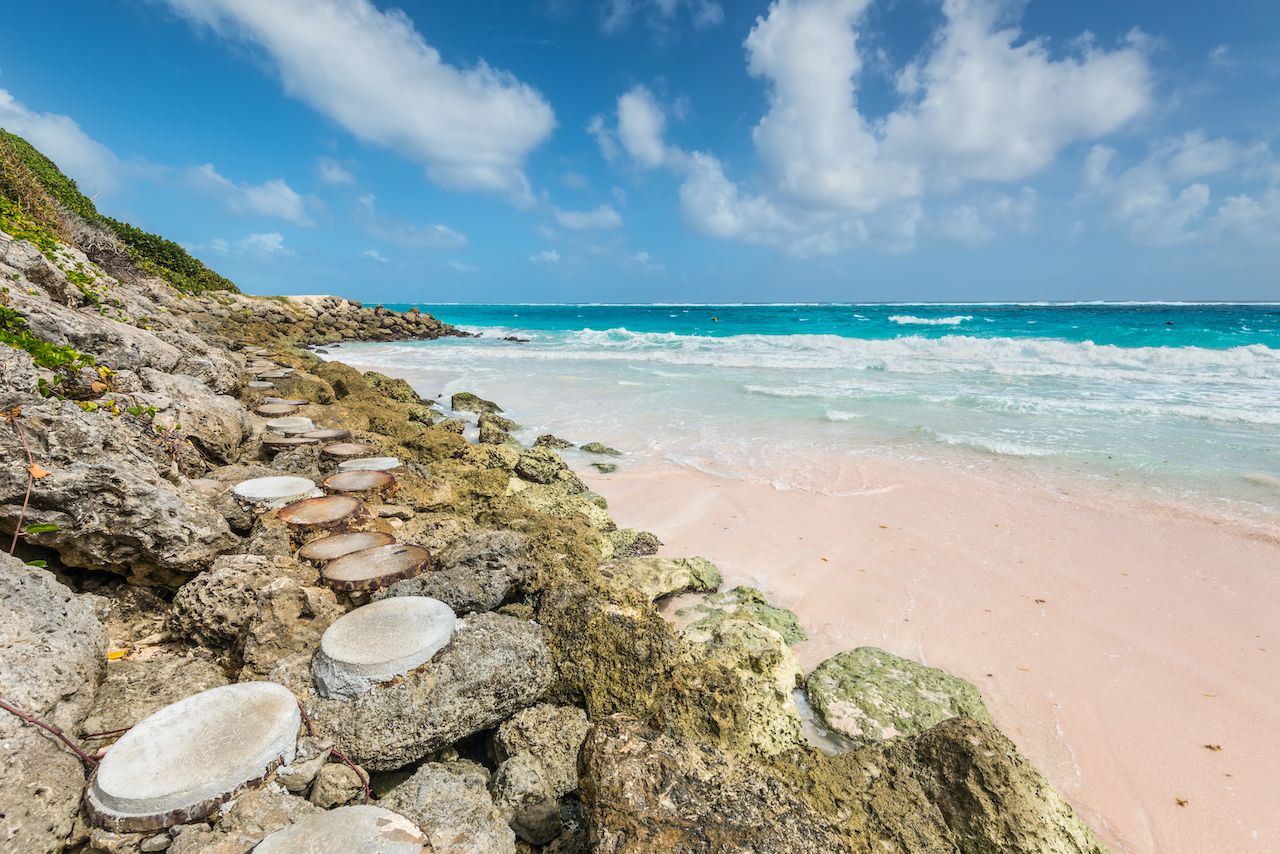
Photo: byvalet/Shutterstock
Barbados is well-known in the expat community as being an easy place to get a work visa while living a luxurious lifestyle in a beautiful place. And when workers aren’t, well, working, they can hike, snorkel, surf, or enjoy the island lifestyle — and the island rum, as Barbados is the birthplace of rum. (By the way, do yourself a favor and take the Barbados rum train.)
But between surfing and rum training, guests will want to visit one of the most beautiful pale pink-sand beaches in the Caribbean. Crane Beach is on the southeast side of the island, near Crane Resort. But don’t worry if you’re not a guest: while it looks like it’s part of the resort, all beaches on Barbados are public, so feel free to walk right in. It’s not super developed, but there are a few great nearby restaurants and bars for an afternoon break.
How to get there: Fly into Grantley Adams International Airport. From the airport, take a taxi, shuttle, or public bus to Crane Beach in St. Philip parish. There is public access via stairs or a glass elevator at The Crane Resort.
Where to stay: The Crane Resort overlooks the beach and is the island’s most iconic stay here, offering cliff-top suites, multiple pools, and direct beach access. For a smaller boutique option nearby, Little Arches Boutique Hotel in Oistins offers an adults-only atmosphere with ocean views, while Cobblers Cove on the west coast provides a more classic luxury Caribbean stay for those who don’t mind driving to visit Crane Beach.
Pink Beach, Bonaire
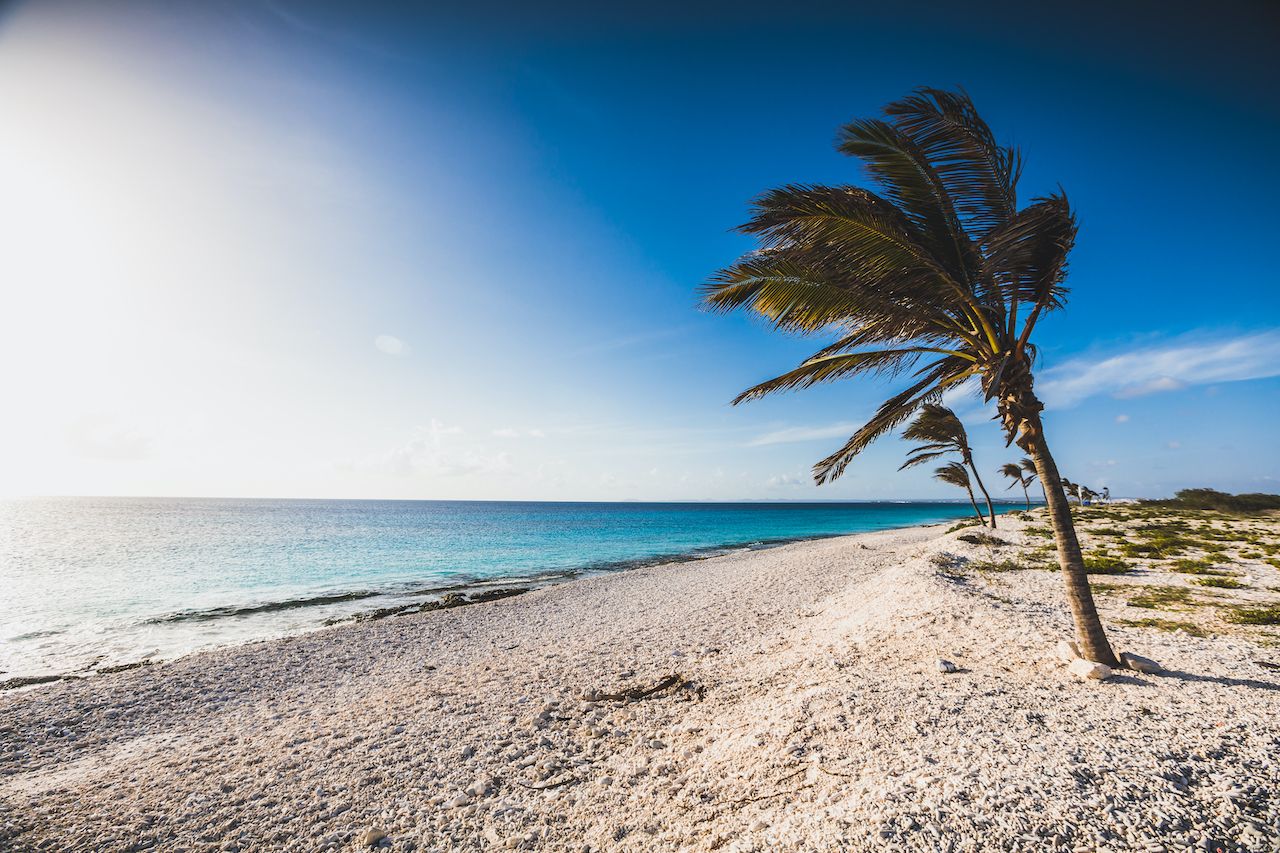
Photo: Andy Troy/Shutterstock
It may not be the brightest of the pink-sand beaches on this list, but Bonaire has some of the calmest, most secluded beaches in the world. With endlessly perfect weather and calm seas, the island is very popular with snorkelers and divers.
Bonaire is the lesser-known “B” in the ABC Islands, alongside the more famous Aruba and Curaçao. While it’s much sleepier than its two neighboring islands, that pleasant sleepiness may be one reason its reefs are so well-preserved, making it a well-known destination for scuba diving from shore in the island’s clear and calm water. And there’s no better place to do a surface interval than on a pale pink beach.
How to get there: Fly into Bonaire’s Flamingo International Airport. Rent a car or take a taxi south along the coastal road to Pink Beach, located about six miles southwest of Kralendijk. The beach is roadside and easy to access by car or bike.
Where to stay: For an upscale oceanfront stay, Harbour Village Beach Club offers a private beach and on-site dive center just north of Kralendijk. Buddy Dive Resort is a favorite among divers, with house reefs and full-service dive facilities, while the boutique Bellafonte Luxury Oceanfront Hotel provides spacious suites and direct water access in a quieter setting south of town.
Europe
Elafonisi Beach, Crete, Greece
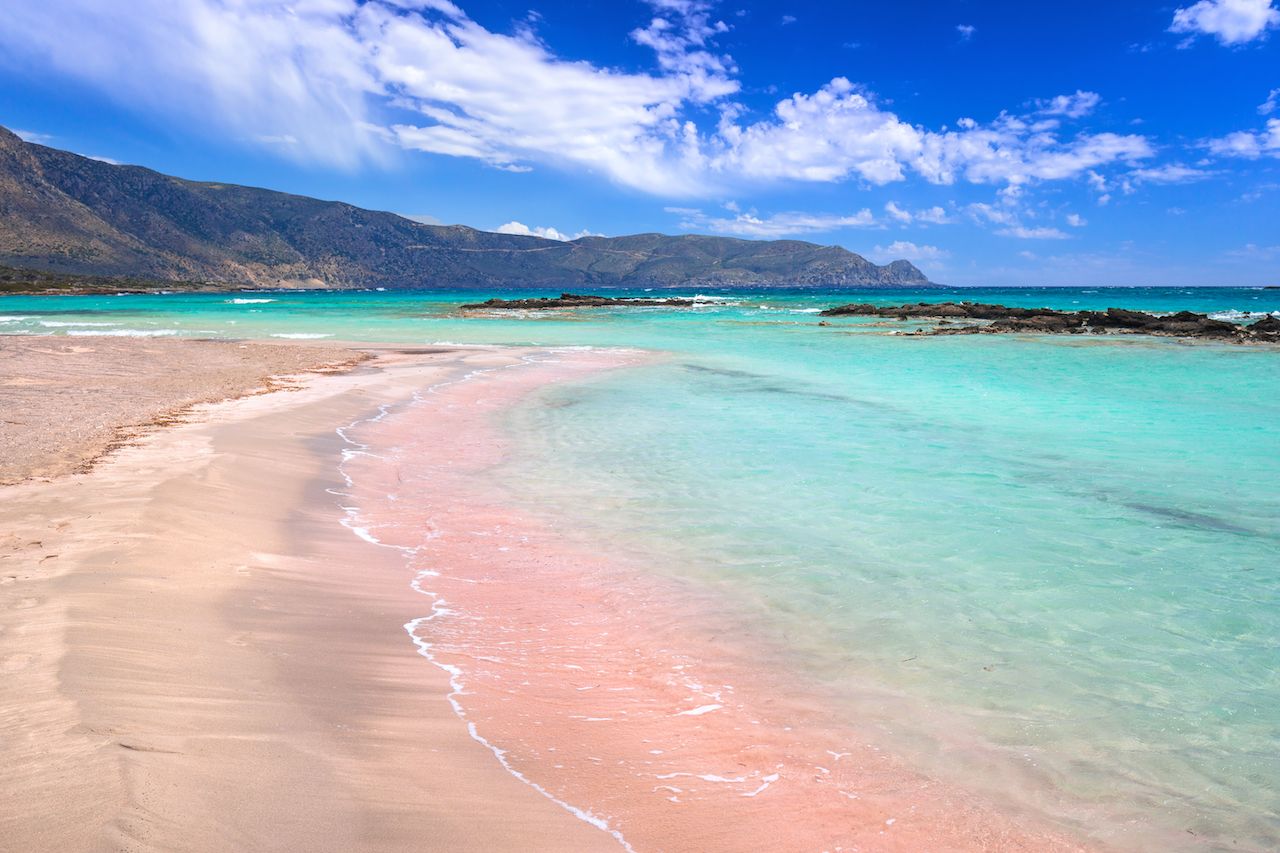
Photo: Patryk Kosmider/Shutterstock
There’s a lot to love about Crete, from coastal restaurants offering incredible local wines and food to ancient ruins and cliffside hiking.
Of course, there are also the beaches, each one seemingly more appealing than the next. But topping that list is Elafonisi. As if the cove-shaped sandbar, turquoise water, and peaks rising in the distance weren’t enough, there’s the bright pink sand itself. The color comes from the incredibly tiny pieces of seashells and calcified coral reefs that washed up on shore over the eons, creating for lucky visitors one of the most beautiful beaches in Europe.
How to get there: Fly or ferry to Chania, Crete. Drive or take a bus southwest to Elafonisi (about 1.5–2 hours from Chania). The beach is accessible by car, bus, or tour.
Where to stay: For easy access, many travelers base themselves in Chania, where options range from boutique stays like Domes Zeen Chania to restored Venetian-era hotels in the Old Town. Closer to the beach, smaller guesthouses and seaside hotels can be found in Paleochora or along Crete’s southwest coast, offering a quieter alternative with shorter drives to Elafonisi.
Porto Covo, Portugal
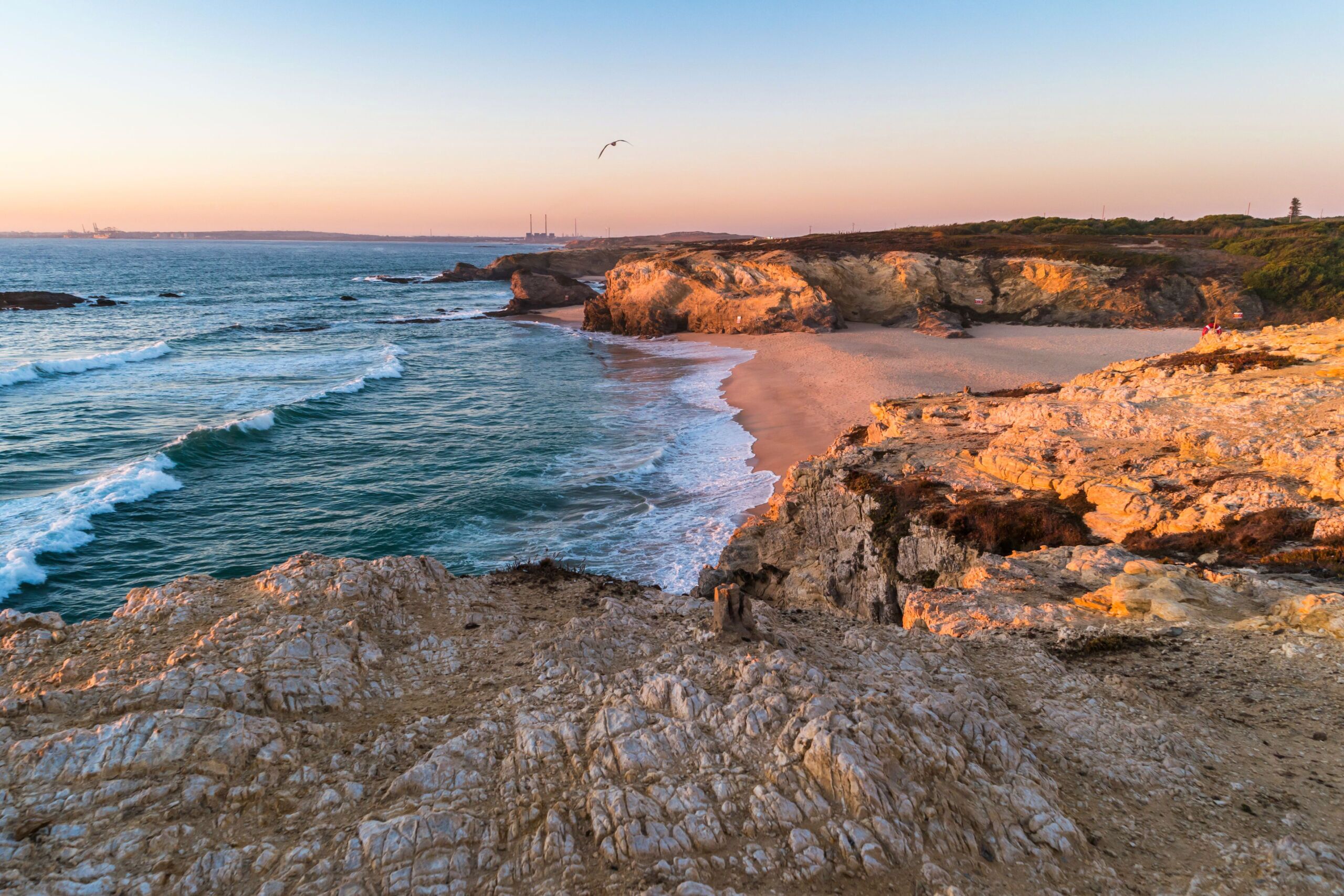
Photo: AnaMarques/Shutterstock
Pink-sand beaches are pretty rare, but if a pink-ish sand beach will do, swing by Porto Covo in Portugal. The color of the sand changes depending on the light, but it has pinkish hues. The area with the pinkest sand is a beach in a tiny cove surrounded by tall rock cliffs, and looks the most vividly covered on days with colorful sunsets. It’s about two hours from Lisbon, so it works as a long day trip or a quick overnight as part of a larger Portugal trip.
How to get there: From Lisbon, take a Rede Expressos bus (about 2–2.5 hours) or drive south on the A2 and then the N120. Since Porto Covo is a small coastal town, the beaches are easily within walking distance from the center.
Where to stay: In town, Hotel Apartamento Porto Covo offers simple apartment-style accommodations within walking distance of the beaches. Just outside town along the cliffs, Herdade do Touril is a rural guesthouse with ocean views and direct access to the Rota Vicentina coastal trail. For a higher-end base within driving distance, Sublime Comporta, about 45 minutes north, pairs well with a day trip to Porto Covo.
Rauðasandur Beach, Iceland
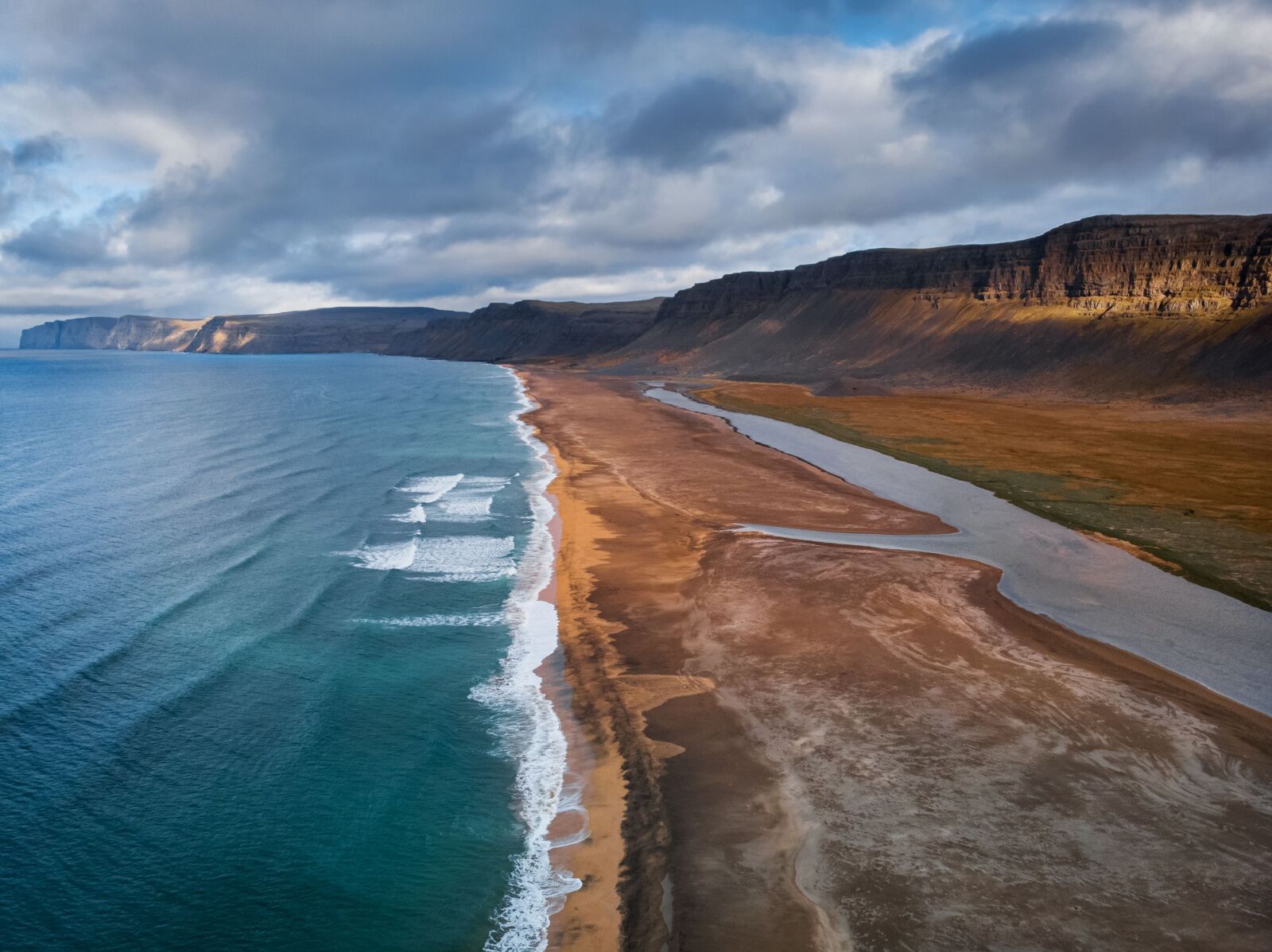
Photo: Ivan Kurmyshov/Shutterstock
Not all colorful beaches are tropical, as proved by Iceland’s Rauðasandur Beach, often just called “Red Sand Beach.” It runs for just over six miles in the island’s West Fjords. The changing hue of the sand comes from scallop shells, which can make it alternate between red, pink, and white.
While it’s a bit cold for most people to swim, it’s an excellent spot for wildlife watching as it’s home to seals, puffins, and more.
How to get there: Drive or take the ferry to the Westfjords region. Follow Route 60 to Route 62 and then to Route 614 to access the beach. The last stretch is steep and winding; a 4×4 is recommended. Park near Melanes campsite or Saurbæjarkirkja church and walk to the beach.
Where to stay: In the nearby village of Patreksfjörður, Fosshotel Westfjords offers modern rooms and fjord views about a 30-minute drive from the beach. For a more remote stay, Hotel Breiðavík sits close to Látrabjarg cliffs and provides simple accommodations near puffin-viewing areas.
Pacific Islands
Kaihalulu Red Sand Beach, Maui, Hawai’i
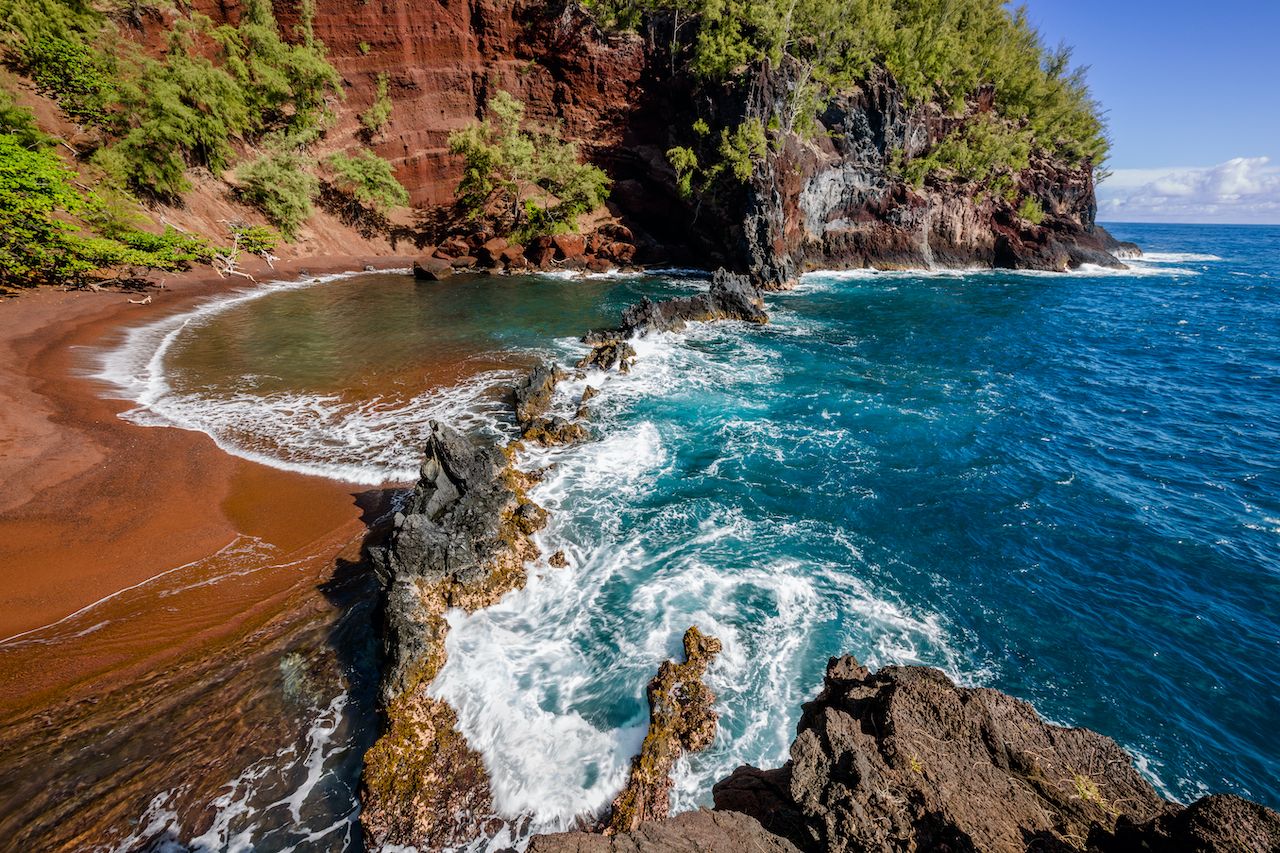
Photo: Shane Myers Photography/Shutterstock
Kaihalulu isn’t so much a pastel pink sand beach as it is a bold red beach. The deep red color comes not from coral and shells, but from what formed the Hawaiian islands themselves: lava. Hawaii is known for black sand beaches, which form when burning hot lava hits cold water. The cold water hardens the lava quickly, causing it to shatter into small fragments of basalt (which are black). This same process can also form red-sand beaches like this one when that lava is very rich in iron.
The trail to reach this beach, considered one of the best beaches on Maui, is steep and slippery, so use caution. That said, it’s near Hana Bay, so it can get crowded. Try to go mid-week in the off season for the best chance of being one of only a few visitors.
How to get there: Drive the Road to Hana to the town of Hana. Park near Hana Ballpark or the Community Center. Hike a short but steep and sometimes slippery trail (starting at the end of Uakea Road) to reach the beach. Use caution; the trail is narrow and can be dangerous.
Where to stay: In Hana, Hāna-Maui Resort offers oceanfront rooms and easy access to East Maui’s remote coastline. For a smaller, locally run option, check out Matador‘s selection of Maui Airbnbs.
Pink Sand Beach, Rangiroa, French Polynesia
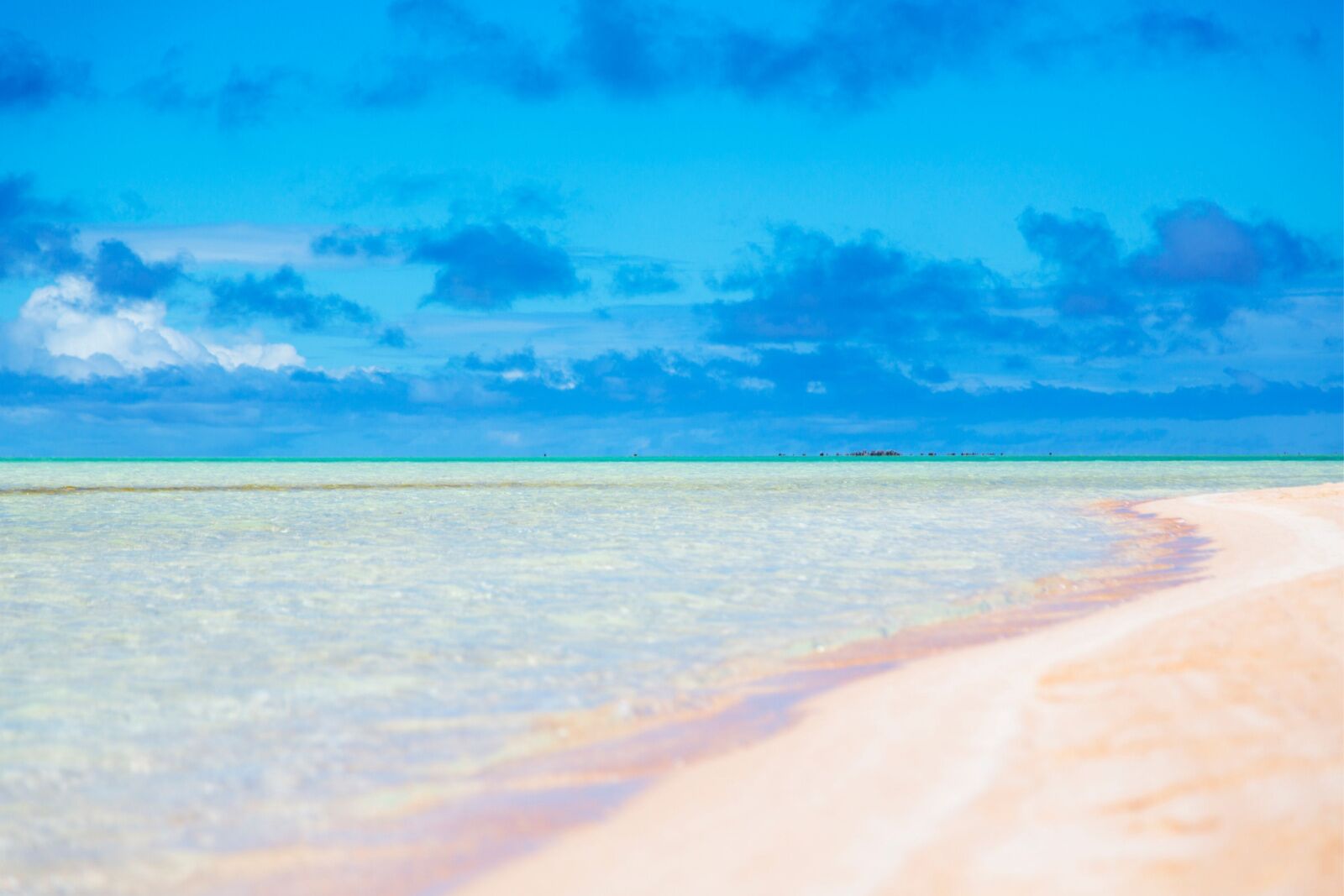
Photo: lkpro/Shutterstock
Visitors who can spare an extra day away from the stunning islands of Bora Bora, Mo’orea, and Tahiti may want to tack on a trip to Rangiroa, an atoll in the Tuamotu Archipelago. Known for the luxurious Hotel Kia Ora Resort & Spa and the chance to scuba dive with dolphins, Rangiroa is a spectacular place to visit — especially for travelers who make the journey to the island’s Pink Sand Beach at its southern tip.
Reaching the beach requires a boat ride, so it’s best to book an excursion through your hotel or a local travel agency rather than attempting to go on your own. The sand is a muted pink, but the color pops beautifully against the turquoise waters of Rangiroa’s lagoon.
How to get there: Fly to Rangiroa from Tahiti or Bora Bora. From the main village (Avatoru), join a lagoon boat excursion to Pink Sand Beach, located at the southeastern tip of the atoll. The trip takes about 1–2 hours by boat.
Where to stay: Kia Ora offers beachfront bungalows and overwater villas along the lagoon near Avatoru, with an on-site restaurant and dive partnerships for excursions to Tiputa Pass. Just a short distance away, a more affordable mid-range option is Le Maitai Rangiroa, which has lagoonfront rooms and an overwater restaurant near the main village, making it convenient for boat tours.
Rabida Island, Galapagos
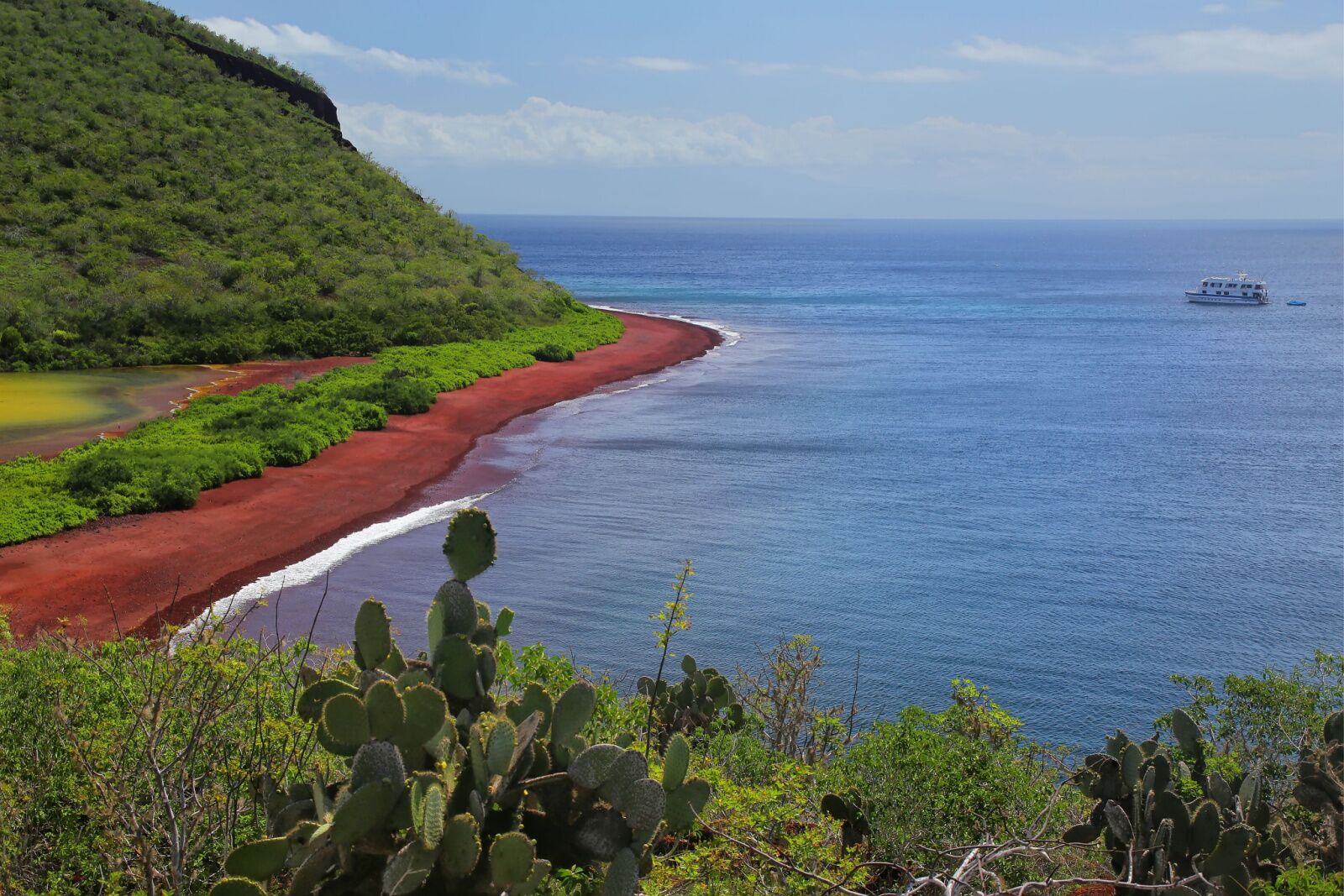
Photo: Don Mammoser/Shutterstock
There are few places more remote than Galapagos, and there are few places in the Galapagos more remote than Rabida Island. It’s unpopulated and has only one visitor landing site, so the only way to visit is by taking a boat tour. Rabida, also called Jervis Island, doesn’t have any pink-sand beaches, but it’s a fair trade-off because it has some of the most vivid red-sand beaches anywhere in Ecuador.
Rabida is big with birdwatchers as it’s the home of the Darwin finches, named for the islands’ most famous 19th-century visitor. Most tours to the island include hiking and snorkeling, though the areas where visitors can go on the island are limited to protect other species such as fur seals and blue-footed boobies.
How to get there: Fly to Baltra or San Cristobal Islands (Galapagos). Rabida Island can only be visited as part of a Galapagos cruise itinerary, as there are no day trips from Santa Cruz.
Where to stay: Because Rabida can only be visited by boat, accommodations are typically aboard expedition vessels such as those operated by Ecoventura or smaller Galápagos liveaboards. Those staying on land usually base themselves in Puerto Ayora on Santa Cruz Island — at properties like Finch Bay Galapagos Hotel — before or after their cruise, or opt for one of the island’s locally run rentals featured on Matador’s guide to the best Airbnbs in the Galápagos.