- News
- World
- Americas
Industry analysts are predicting slowed — or, in some cases, no — growth for auto sellers in 2026
Graig Graziosiin Washington, D.C.Monday 01 December 2025 23:41 GMTComments
 CloseRelated video: Black Friday looms as Americans prioritize essentials over big retail spending
The latest headlines from our reporters across the US sent straight to your inbox each weekday
Your briefing on the latest headlines from across the US
Your briefing on the latest headlines from across the US
Email*SIGN UPI would like to be emailed about offers, events and updates from The Independent. Read our Privacy notice
Car buyers are backing off on new purchases, opting instead for used vehicles and longer loans as a result of high prices and inflation.
“People are asking, ‘How can I afford this?’” Robert Peltier, who owns car dealerships in East Texas, told the Wall Street Journal.
He said that while his new car sales are still good, they have slowed. Peltier added that customers are moving toward cheaper vehicles, like the smaller Chevrolet Trax, as the average cost of a new car in the U.S. reaches $50,000.
Analysts predicted that 2025 was going to be a strong year for car sales in the U.S., driven by deregulation and tax cuts. But the latest forecasts are predicting smaller — and in some cases no — growth for the industry in 2026.
Tariffs, continuing inflation, and a difficult job market have left many Americans priced out of new cars. The dwindling sales were only made worse by the Trump administration's decision to end the $7.500 EV tax credit, which may have killed hundreds of thousands of possible vehicle sales.
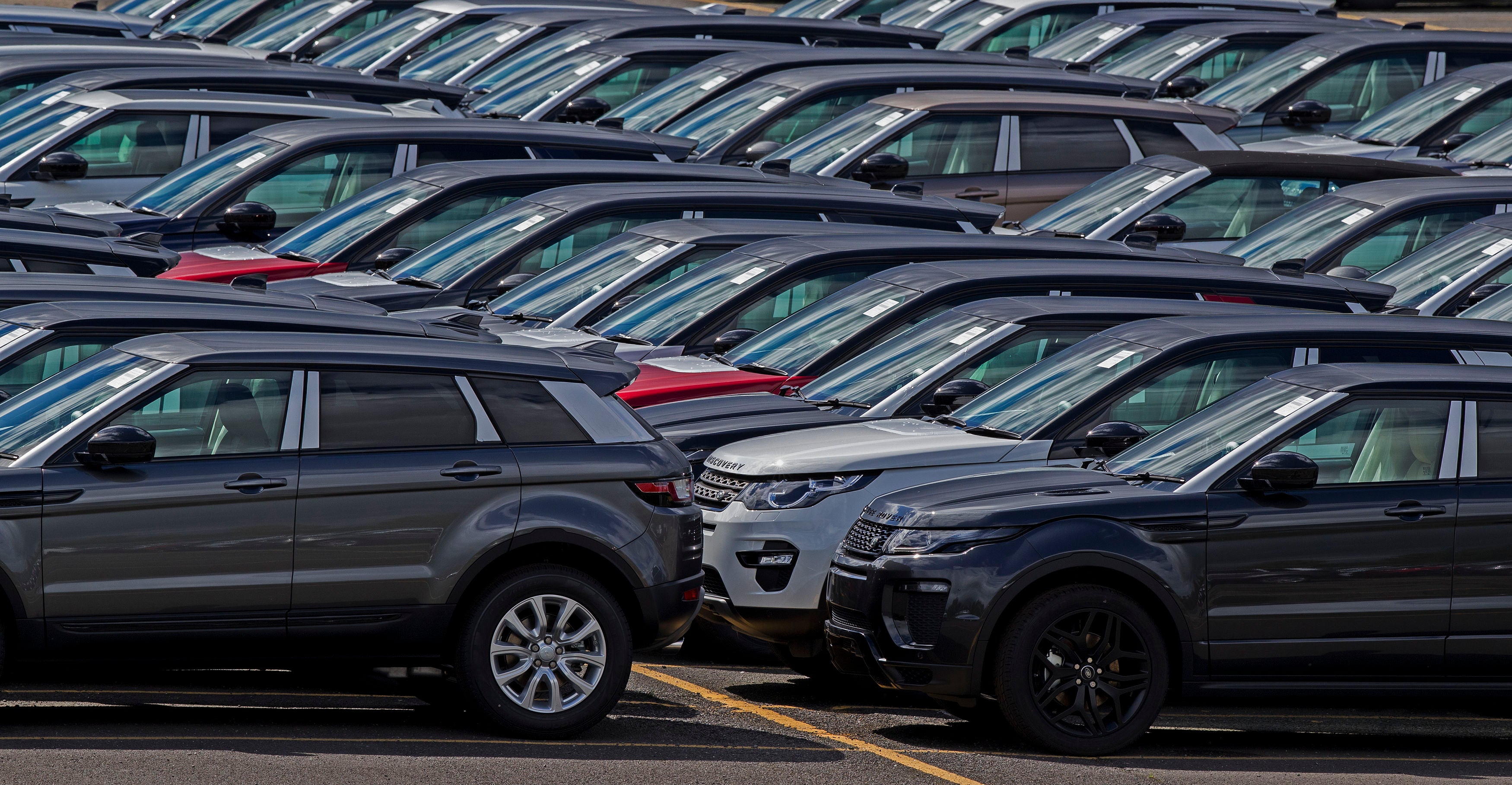 Americans struggling with inflation and tariff-driven price increases are shying away from buying new cars and opting instead for buying used cars or taking out longer car loans, according to a December 2025 report (PA Archive)
Before the end of the tax credit, General Motors' sales were up by 10.5 percent, and Ford's increased by 7.3 percent. In October — a month after the EV credit ended — both companies reported the slowest selling rate they'd had in more than a year, and their sales in November are also expected to be down.
Analysts speaking to the Wall Street Journal do not believe that the slow sales will result in notable price cuts or overall sales crashes, as even used cars are still relatively expensive.
Even those holding onto older vehicles are likely to be strapped, however, as the price to repair cars and replace parts has also gone up.
“You can’t really find relief,” Ivan Drury, an automotive analyst for Edmunds.com, told the paper.
Erin Keating, an executive analyst at Cox Automotive, told the Wall Street Journal that the current market is "relying on the top 20 percent" of American households, noting that wealthy individuals are still buying cars, but the developing trends are ringing "more alarm bells" for the industry.
That trend has remained consistent across the economy.
Claudia Lombana, a national consumer expert, told CNN that while consumers have bought fewer items overall this holiday season, the average selling prices on purchased items are higher.
“The ones that have higher income are spending at will, but those who are less affluent are budgeting,” she told CNN.
Americans' spending is indicative of a "K-shaped" economy, in which the wealthy are benefitting from their stock market investments and home valuations, allowing them to spend more, while those on the lower end of the economy are forced to tighten their spending even more to account for rising prices.
More about
InflationJoin our commenting forum
Join thought-provoking conversations, follow other Independent readers and see their replies
Comments