- Home
Edition
Africa Australia Brasil Canada Canada (français) España Europe France Global Indonesia New Zealand United Kingdom United States Edition:
Global
Edition:
Global
- Africa
- Australia
- Brasil
- Canada
- Canada (français)
- España
- Europe
- France
- Indonesia
- New Zealand
- United Kingdom
- United States
Academic rigour, journalistic flair
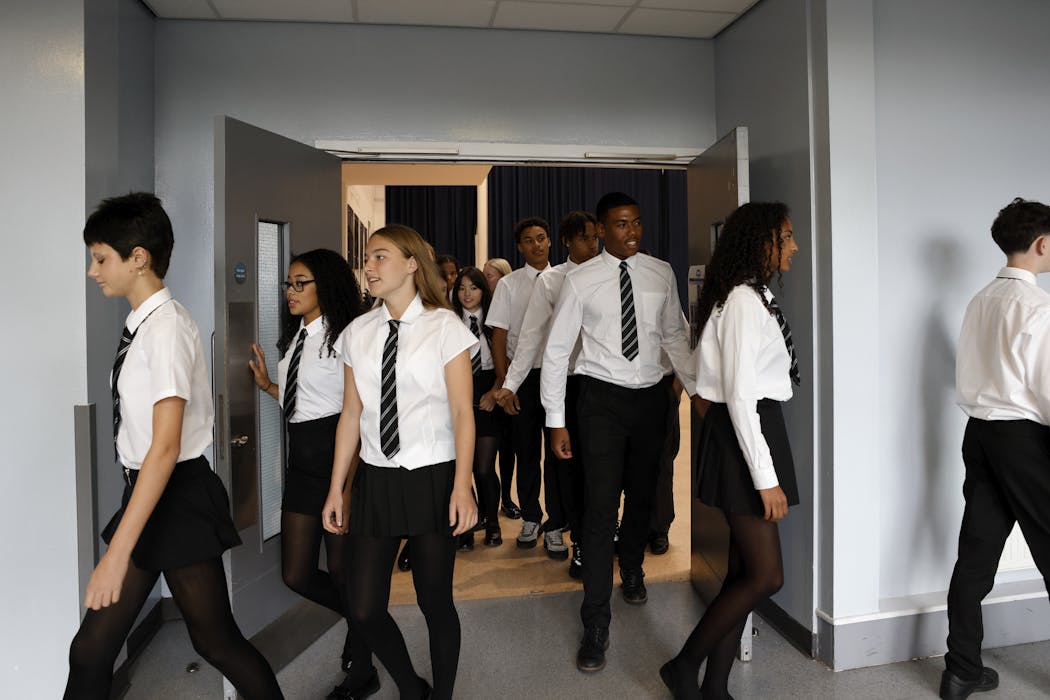
 Nick David/ Getty Images
What makes a healthy and safe boarding school culture?
Published: December 2, 2025 1.59am GMT
Paul Kidson, Australian Catholic University
Nick David/ Getty Images
What makes a healthy and safe boarding school culture?
Published: December 2, 2025 1.59am GMT
Paul Kidson, Australian Catholic University
Author
-
 Paul Kidson
Associate Professor in Educational Leadership, Australian Catholic University
Disclosure statement
Paul Kidson was an executive teacher and assistant head of a boarding house at Ballarat Grammar School between 2003-2004.
Partners

Australian Catholic University provides funding as a member of The Conversation AU.
View all partners
DOI
https://doi.org/10.64628/AA.7ea9ddvcg
https://theconversation.com/what-makes-a-healthy-and-safe-boarding-school-culture-270973 https://theconversation.com/what-makes-a-healthy-and-safe-boarding-school-culture-270973 Link copied Share articleShare article
Copy link Email Bluesky Facebook WhatsApp Messenger LinkedIn X (Twitter)Print article
Last week, police confirmed four students at Victorian boarding school Ballarat Grammar had been cautioned over a series of “strappings” of younger students. This followed other allegations of hazings and abuse at the school, which emerged earlier this year. Some of these dated back decades.
Last month, the Victorian Registration and Qualifications Authority took the extraordinary step of stopping Ballarat Grammar from enrolling future students into its boarding community because of ongoing concerns about student welfare and safety.
These responses have cast a spotlight on the place and culture of boarding schools in Australia, less than a decade on from the royal commission into child sex abuse in institutions.
How can boarding schools keep students safe? And why do why do they still exist?
How do boarding schools provide safe environments?
When students board, they are sleeping, eating and socialising at school around the clock. This means extra safeguards are needed, such as safe and age appropriate supervision of students overnight (often via staff on site and secure and alarmed accommodation), regular social activities, and facilitating healthy and timely connection with families and the wider community.
There are also a range of formal expectations boarding schools must meet, particularly around keeping children safe and happy.
State regulators expect boarding schools to “ensure the safety and welfare of boarders” and proactively manage “anti-bullying and harassment”, including cyber-bullying.
The Australian Boarding Schools Association also has its own boarding standard, endorsed by Standards Australia, which requires boarding schools to keep students safe, and ensure staff are well trained and managed.
These reflect the national principles for child safe organisations, developed in response to the child sex abuse royal commission. The standard includes:
a trained person be accessible at all times who can administer and manage CPR, allergic reactions, diabetes and epilepsy
regular reviews of critical incidents and injuries
working with children clearances for all personnel
programs promoting social responsibility among students.
Is more needed?
As the Productivity Commission has noted, schools are already burdened with multiple layers of existing bureaucracy, and there’s clearly no shortage of requirements, policy and processes in place for boarding schools.
What’s unclear is why some schools are still not meeting them.
Research shows when schools do not actively promote empathy among students, it can make bullying worse.
Research also suggests schools should run anti-bullying programs among students who board, both before and after they start at the school. A study involving Indigenous students also shows programs teaching social and emotional skills can boost students’ capacities to seek and give help, and to manage conflict.
Why does Australia have boarding schools?
There are almost 21,000 students who board in Australia.
There are more than 200 boarding schools in all states and territories. This is just over 2% of the nearly 10,000 schools spread across the nation. Of these, most are co-educational (117), nearly a quarter are only for girls (50). The smallest proportion are only for boys (35).
Many began in the 19th century in response to the growth of settled and farming communities increasingly distant from major cities. While most have some religious foundation, there are some government boarding schools.
They vary significantly in size. At St Joseph’s College in Sydney, around half of its 1,100 students board. Down the road at Wenona, only 50 of the more than 1,300 students are boarders. Some schools offer weekly boarding.
Do boarding schools help students?
Typically, families will send a child to boarding school to access schooling that is not available close to home. Some will also do so because of long-standing family connection or religious association.
When we compare day students and boarding students at the same schools research suggests there is little difference in terms of their motivation and overall achievement. That is, there is no significant “advantage” to boarding. But this does not consider how many boarders come from rural and remote locations who do not have the same sorts of opportunities as metropolitan-based students, such as facilities, programs and specialist teachers.
Students who board have noticeably better school achievement outcomes, when compared to students who continue to attend schools in rural communities.
Research shows boarding schools can be positive for Indigenous students in particular in terms of their wellbeing and health outcomes. There is also some evidence boarding schools help build academic motivation for Indigenous students.
But boarding schools are are only successful in these respects if they have cultures and systems to support students into the school. This can include mentors, help with scholarship processes, and facilitating ongoing connection with kin and Country.
So boarding schools form part of the diverse landscape of Australian schools. When run well, they give young people learning opportunities they would not have at home.
There is no shortage of standards to ensure these environments are safe – but we need positive and caring cultures to make sure schools are meeting them.
- Schools
- Secondary education
- High school
- Student wellbeing
Events
Jobs
-
 Senior Lecturer, Clinical Psychology
-
University Lecturer in Early Childhood Education
-
Case Specialist, Student Information and Regulatory Reporting
-
Lecturer in Paramedicine
-
Associate Lecturer, Social Work
 Senior Lecturer, Clinical Psychology
 University Lecturer in Early Childhood Education
 Case Specialist, Student Information and Regulatory Reporting
 Lecturer in Paramedicine
 Associate Lecturer, Social Work
- Editorial Policies
- Community standards
- Republishing guidelines
- Analytics
- Our feeds
- Get newsletter
- Who we are
- Our charter
- Our team
- Partners and funders
- Resource for media
- Contact us
-
-
-
-
Copyright © 2010–2025, The Conversation

.jpeg?width=1200&auto=webp&trim=98%2C0%2C0%2C0)