- News
- UK
- UK Politics
The economy watchdog raised concerns with the Treasury about the amount of information being leaked ahead of the chancellor’s statement
David MaddoxPolitical EditorTuesday 02 December 2025 11:42 GMTComments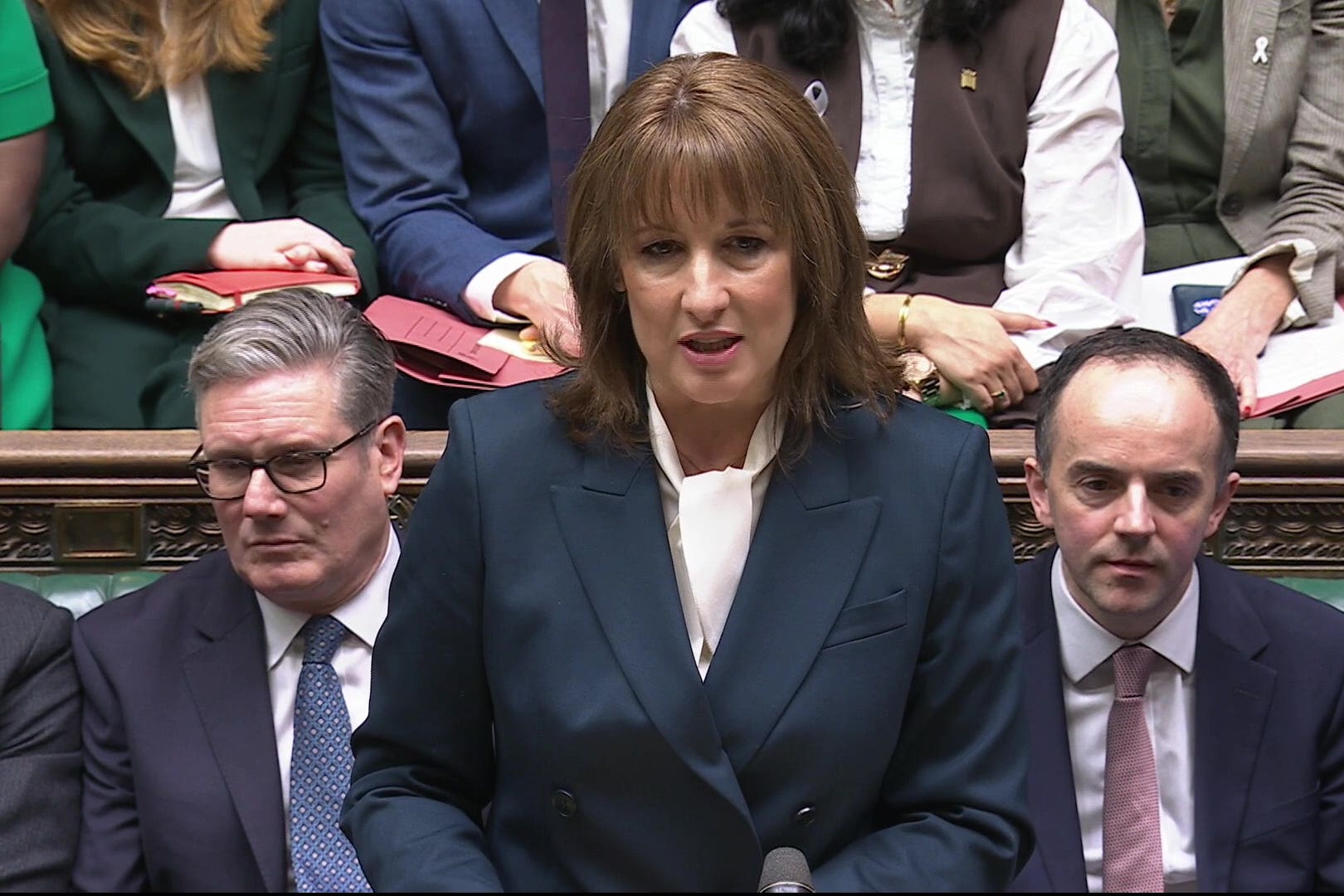 open image in galleryTax hikes and spending cuts will put pressure on the UK economy over the next two years and inflation will remain among the highest in the among the G7 economies, according to a new report. (PA) (PA Wire)
Sign up to our free Brexit newsletter for our analysis of the continuing impact of Brexit on the UK
Sign up to our free newsletter for the latest analysis on Brexit's impact
Sign up to our free newsletter for the latest analysis on Brexit's impact
Email*SIGN UPI would like to be emailed about offers, events and updates from The Independent. Read our Privacy notice
Britain’s economic watchdog raised serious concerns with the Treasury over a series of chaotic leaks and briefings about the Budget ahead of Rachel Reeves’ formal announcement last week which.
The Office of Budget Responsibility (OBR) has told the Treasury committee today that the leaks were “unhelpful”.
It followed warnings from former Bank of England chief economist Andy Haldane who told the BBC’s Sunday with Laura Kuenssberg programme the briefings and U-turns on issues like income tax were “the single biggest reason why [economic] growth has flatlined”.
The row comes after the head of the OBR Richard Hughes dramatically resigned last night after a critical report into how the watchdog had released details of the Budget 40 minutes early.
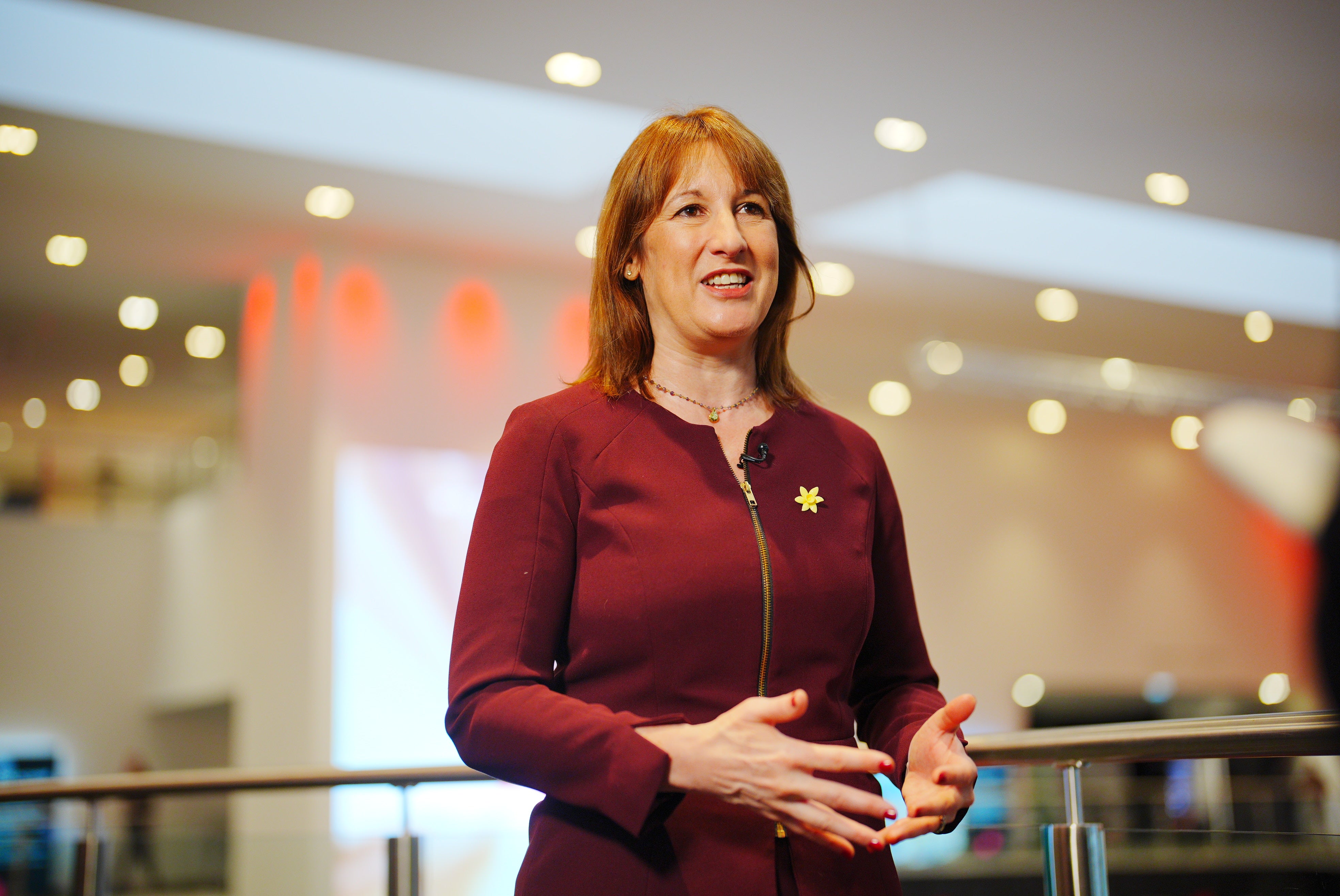 open image in galleryReeves is under fire over the handling of the Budget (Ben Birchall/PA)
But it also comes as Ms Reeves’ own future as chancellor is under threat due to allegations that she deliberately hid data from the OBR, revealing that a spending black hole had been filled with higher than expected tax receipts.
The briefings by Ms Reeves and by officials were a major cause of concern for the OBR, according to its committee member Professor David Miles.
Prof Miles told MPs on the Treasury select committee: “I don’t think there was any formal complaint. We were obviously aware that information seemed to be getting into the press.”
He told the Commons Treasury Committee: “There was lots of information appearing in the press which wouldn’t normally be out there and this wasn’t, from our point of view, particularly helpful.” Asked if the OBR raised it with the Treasury, he said: “I think it was clear that we didn’t find this helpful. We made that clear.”
Prof Miles said Ms Reeves's unusual pre-Budget speech and press conference was not "inconsistent" with the figures she had been given by the Office for Budget Responsibility (OBR).
The 4 November speech was viewed as an attempt to roll the pitch for manifesto-busting increases in income tax, with the chancellor saying the OBR’s downgrade of productivity would have an impact on the public finances.
But actually, by the time the speech was given, the OBR was forecasting that she would remain within her rules of funding day-to-day spending through taxes rather than borrowing by a “very small” margin of £4.2bn, due in part to the tax impacts of higher wages and inflation.
Then on 10 November, Ms Reeves told the BBC that sticking to the manifesto commitment not to increase income tax rates would only be possible with “deep cuts” to public investment.
But by the end of the week, the plan to hike income tax had been dropped, with Treasury sources indicating an improvement in the OBR forecasts, in a dramatic U-turn which added to the chaos in the run-up to the Budget.
Prof Miles said: “My interpretation was, and others might interpret differently, that the chancellor was saying that this was a very difficult Budget and very difficult choices needed to be made.
“And I don’t think that that was in itself inconsistent with the final pre-measures assessment we’d made, which, although it showed a very small positive amount of so-called headroom, it was wafer-thin.”
He insisted, though, that the OBR is “not at war” with the government.
Prof Miles said: “I wouldn’t say we were at war with the Treasury. I mean, we have a very close relationship with the Treasury. In fact, we rely not just on the Treasury but other departments in government for analysis of many sorts of measures.”
He added: “There are lots of very good – from my point of view – economic analysts in the Treasury and we rely heavily upon them.
“I hope we can run a process in the future – and we’ll do everything we can – that is somewhat smoother than the process we’ve just been through.”
The evidence session comes on a day when the Organisation for Economic Cooperation and Development (OECD) has warned that after Ms Reeves’ Budget, economic growth expectations are down while unemployment is likely to go up.
More about
Rachel ReevesTreasuryBudgetAndy HaldaneIncome TaxOBRJoin our commenting forum
Join thought-provoking conversations, follow other Independent readers and see their replies
Comments