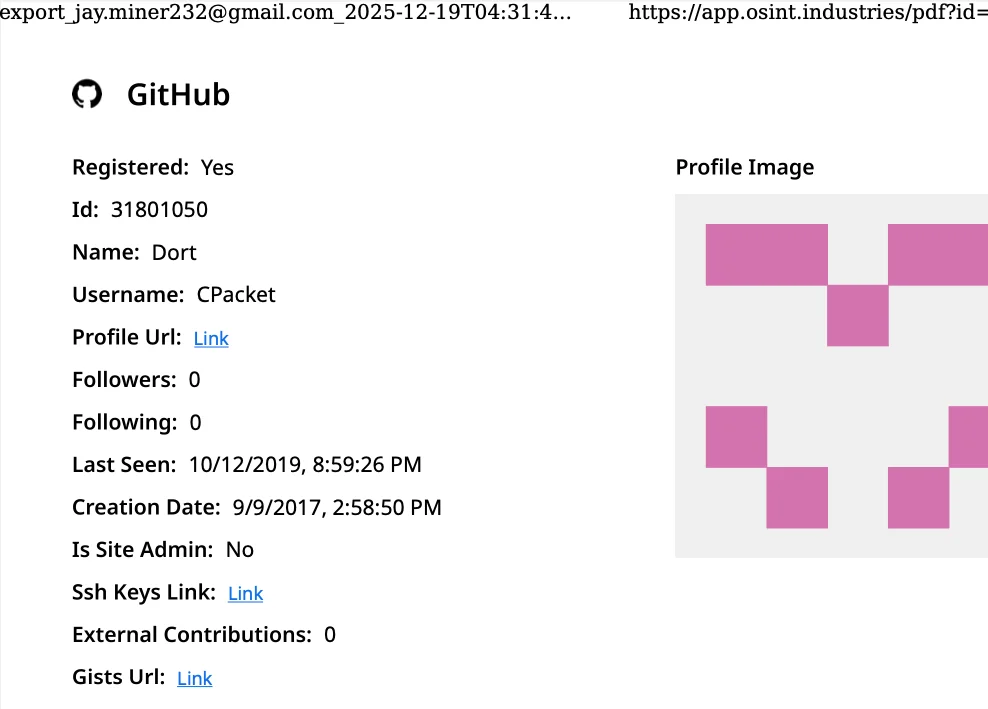
Who is the Kimwolf Botmaster “Dort”?
In early January 2026, KrebsOnSecurity revealed how a security researcher disclosed a vulnerability that was used to assemble Kimwolf, the world's largest and most disruptive botnet. Since then, the p...
Artificial intelligence and machine learning news
Found 107 articles
In early January 2026, KrebsOnSecurity revealed how a security researcher disclosed a vulnerability that was used to assemble Kimwolf, the world's largest and most disruptive botnet. Since then, the p...
Peru has increased its squid catch limit. The article says “giant squid,” but they can’t possibly mean that. As usual, you can also use this squid post to talk about the security sto...
Iran is slowly emerging from the most severe communications blackout in its history and one of the longest in the world. Triggered as part of January’s government crackdown against citizen prote...
This is new. North Korean hackers are posing as company recruiters, enticing job candidates to participate in coding challenges. When they run the code they are supposed to work on, it installs malwar...
Politicians fixate on the global race for technological supremacy between US and China. They debate geopolitical implications of chip exports, latest model releases from each country, and military app...
I like this one. As usual, you can also use this squid post to talk about the security stories in the news that I haven’t covered. Blog moderation policy.
Most phishing websites are little more than static copies of login pages for popular online destinations, and they are often quickly taken down by anti-abuse activists and security firms. But a stealt...
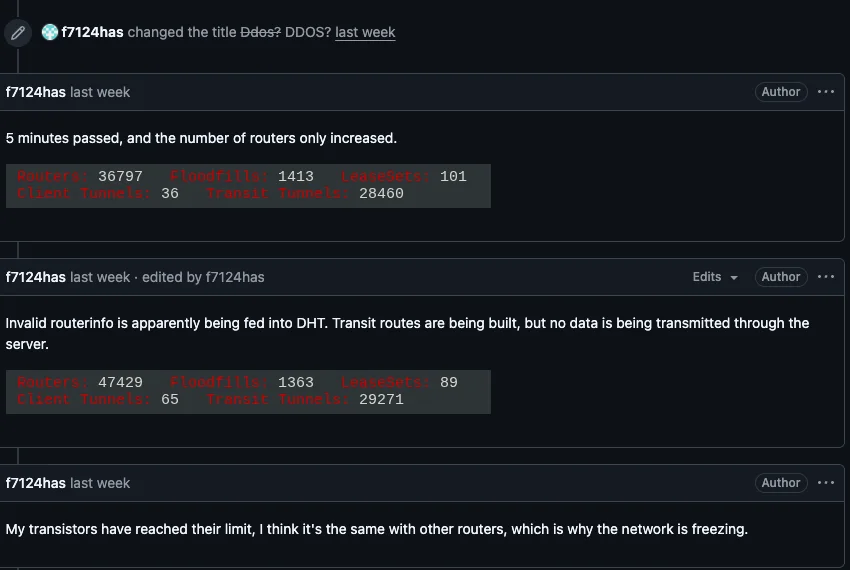
For the past week, the massive "Internet of Things" (IoT) botnet known as Kimwolf has been disrupting the The Invisible Internet Project (I2P), a decentralized, encrypted communications network design...
Microsoft today released updates to fix more than 50 security holes in its Windows operating systems and other software, including patches for a whopping six "zero-day" vulnerabilities that attackers ...
In the standard Kubernetes model, a node’s suitability for workloads hinges on a single binary "Ready" condition. However, in modern Kubernetes environments, nodes require complex infrastruc...
A prolific data ransom gang that calls itself Scattered Lapsus ShinyHunters (SLSH) has a distinctive playbook when it seeks to extort payment from victim firms: Harassing, threatening and even swattin...
I'm excited to announce the implementation of an improved conversion formula from cgroup v1 CPU shares to cgroup v2 CPU weight. This enhancement addresses critical issues with CPU priority allocation ...
Cluster API brings declarative management to Kubernetes cluster lifecycle, allowing users and platform teams to define the desired state of clusters and rely on controllers to continuously reconcile t...
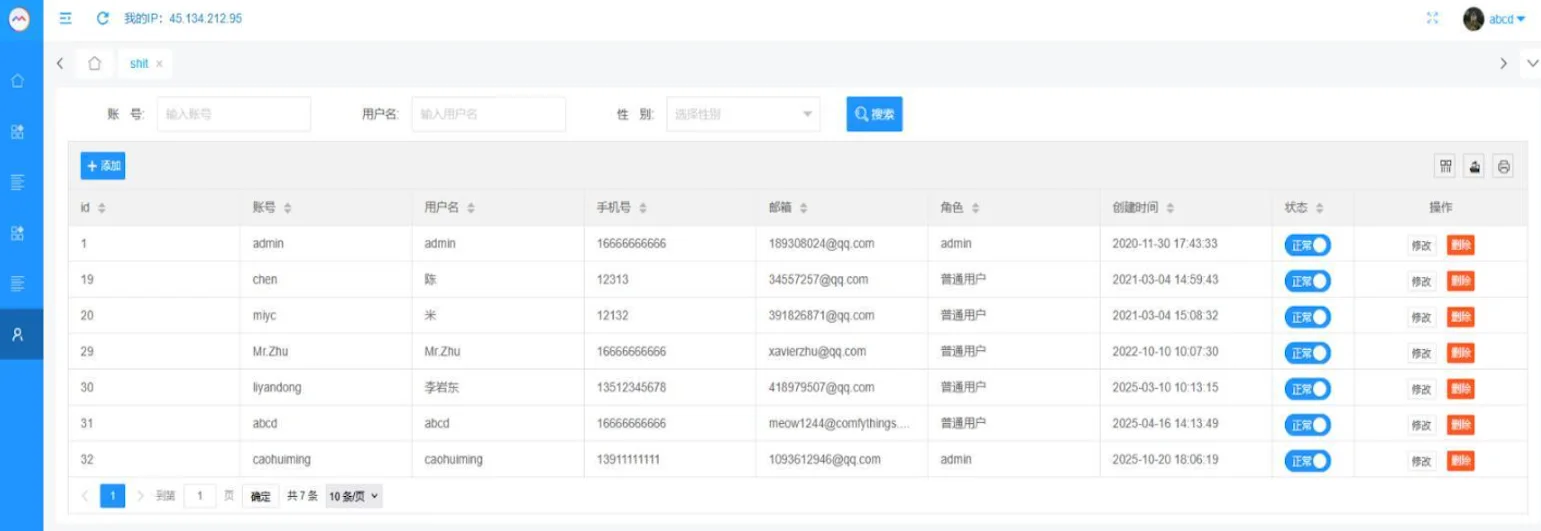
The cybercriminals in control of Kimwolf -- a disruptive botnet that has infected more than 2 million devices -- recently shared a screenshot indicating they'd compromised the control panel for Badbox...
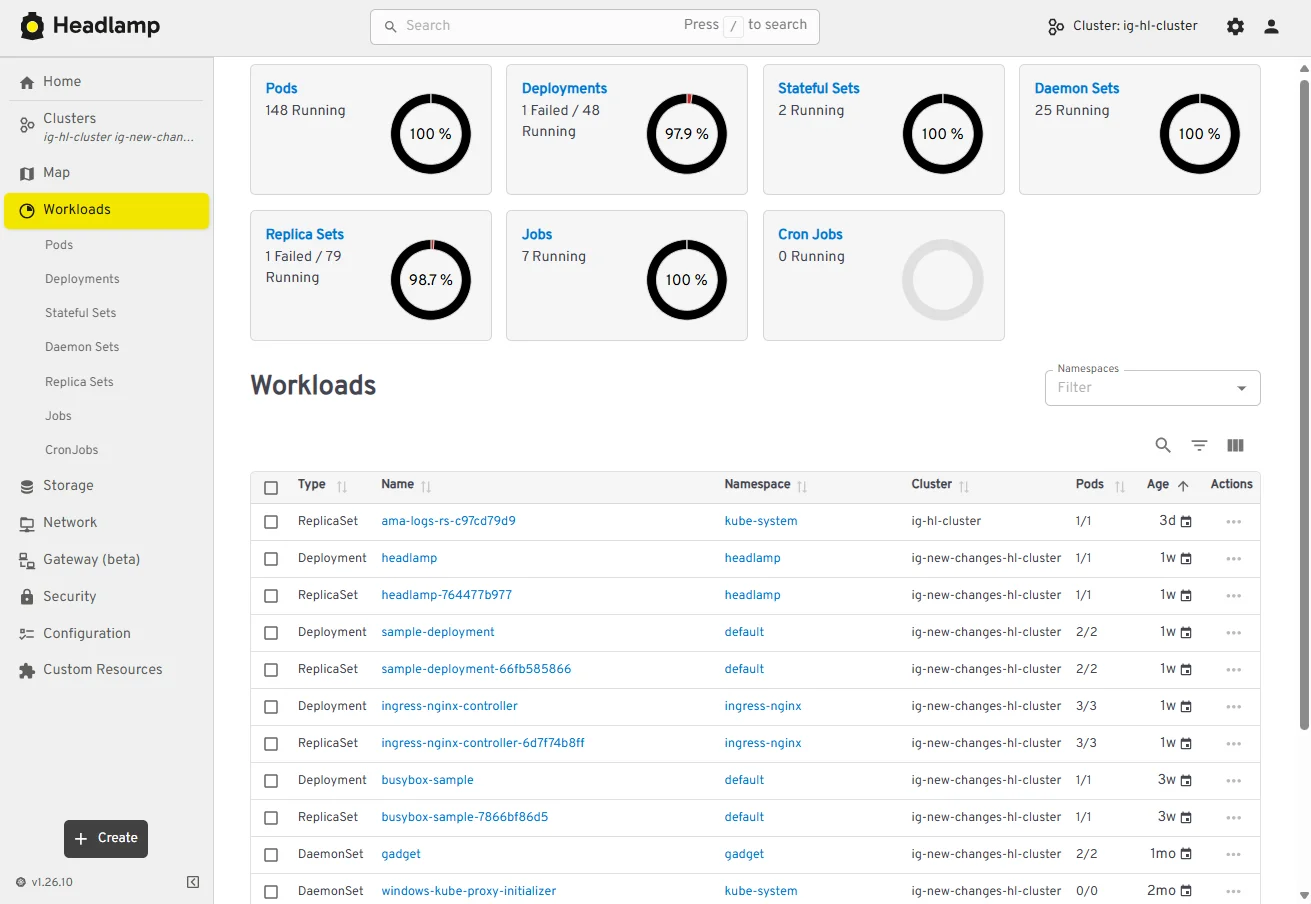
This announcement is a recap from a post originally published on the Headlamp blog. Headlamp has come a long way in 2025. The project has continued to grow – reaching more teams across platforms, powe...
A new Internet-of-Things botnet called Kimwolf has spread to more than 2 million devices, forcing infected systems to participate in massive distributed denial-of-service (DDoS) attacks and to relay o...
If you've ever wanted to develop a command line client for a Kubernetes API, especially if you've considered making your client usable as a kubectl plugin, you might have wondered how to make your cli...
Microsoft today issued patches to plug at least 113 security holes in its various Windows operating systems and supported software. Eight of the vulnerabilities earned Microsoft's most-dire "critical"...
Remember the Ashley Madison data breach? That was now more than a decade ago, yet it arguably remains the single most noteworthy data breach of all time. There are many reasons for this accolade, but ...
Our first story of 2026 revealed how a destructive new botnet called Kimwolf rapidly grew to infect more than two million devices by mass-compromising a vast number of unofficial Android TV streaming ...