- News
- Business
The Advertising Standards Authority said ads for all three brands used the term ‘sustainable’ without providing any evidence to support the claims.
Josie ClarkeWednesday 03 December 2025 00:01 GMT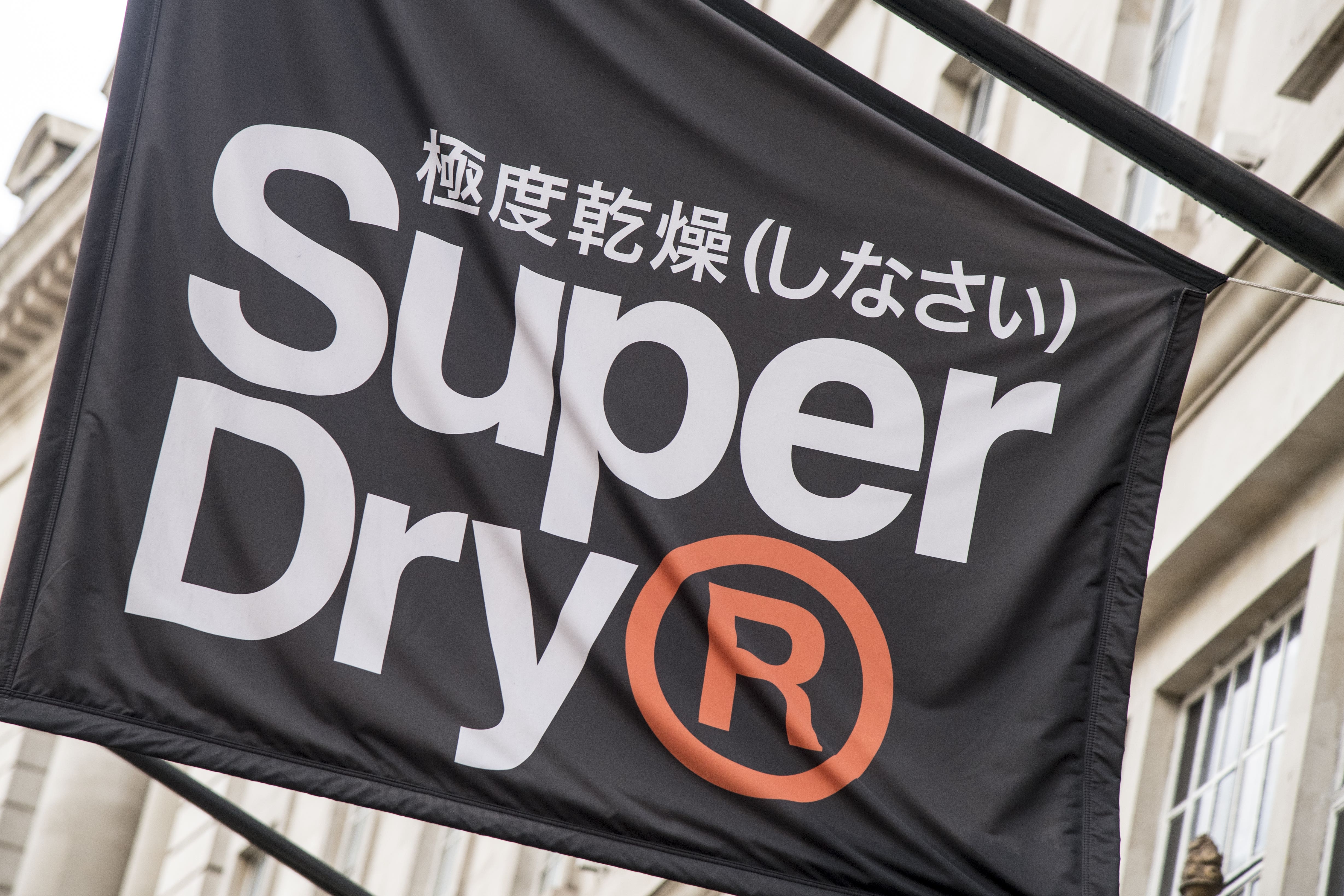 open image in galleryA Super Dry ad was banned in the UK for exaggerating the environmental benefits of products(Ian West/PA) (PA Archive)
For free real time breaking news alerts sent straight to your inbox sign up to our breaking news emails
Sign up to our free breaking news emails
Sign up to our free breaking news emails
Email*SIGN UPI would like to be emailed about offers, events and updates from The Independent. Read our Privacy notice
Ads for Nike, Superdry and Lacoste have been banned in the UK for exaggerating the environmental benefits of their products and misleading customers.
The Advertising Standards Authority (ASA) said ads for all three brands used terms such as “sustainable”, “sustainable materials” or “sustainable style” without providing any evidence to support the claims.
The regulator said it banned the ads because they exaggerated each brand’s environmental credentials and risked misleading consumers who wanted to make greener choices.
The Google ad for Nike, seen in June, stated: “Nike Tennis Polo Shirts – Serve An Ace With Nike… Sustainable Materials.”
Nike said the ad was “framed in general terms” and was intended to relate to a wide range of Nike products and services, rather than being specific to a particular item.
It said consumers would reasonably interpret the reference to “sustainable materials” as indicating that some, but not all, products offered by Nike contained materials designed to reduce environmental impact, such as items made from recycled polyester.
However, the ASA said: “The claim was absolute and therefore a high level of substantiation in support needed to be produced.”
It found Nike “had not provided evidence to demonstrate that their tennis polo shirts had no detrimental effect on the environment, taking into account their entire life cycle”.
The regulator said: “The basis and meaning of the claim ‘sustainable materials’ had not been made clear and we had not seen evidence to support it. We therefore concluded the ad was likely to mislead.”
An ad for Superdry in June stated: “Superdry: Sustainable Style. Unlock a wardrobe that combines style and sustainability.”
Superdry said consumers would understand the ad to mean the products within the collection were either stylish, had sustainable attributes and credentials, or both.
It said the ad did not make an absolute claim, nor did it suggest all Superdry products were sustainable.
The ASA said: “We considered that without qualification the ‘sustainable’ claim was ambiguous and unclear. The claim was absolute and therefore a high level of substantiation in support needed to be produced.”
The ASA said it understood that 64% of all Superdry garments, footwear and accessories bought in 2024 contained sustainably-sourced materials.
Additionally, Superdry had not provided evidence to demonstrate that their products had no detrimental effect on the environment, taking into account their entire life cycle.
The ASA said: “We therefore concluded the ad was likely to mislead. We welcomed Superdry’s decision to remove the ad.”
A Google ad for Lacoste, also seen in June, stated: “Lacoste Kids – Sustainable… clothing.”
In its response to the ASA, Lacoste acknowledged claims such as “green”, “sustainable” and “eco-friendly” were very difficult to substantiate, and that it had removed the ad as soon as the complaint was received.
The firm also gave an assurance it would not repeat the claim in the form made in the ad in future.
Justine Grimley, operations manager for the green project team at the ASA, said: “We know that people are increasingly looking to make greener choices, so it’s important that advertisers are clear and upfront when making environmental claims.
“Broad or unproven statements risk giving a misleading picture of how environmentally-friendly a product really is.
“These rulings send a clear message that advertisers must be able to back up their green claims with solid evidence, so people get fair, accurate information when they’re choosing what to buy.”
Lacoste said: “For the Kids collection in question, we reached a 19% reduction in the environmental footprint of the raw materials used in 2025 versus those used in 2022.
“It was with this in mind that the term ‘sustainable’ was used in an ad. As soon as the ASA pointed out that this use did not comply with its standards, Lacoste immediately withdrew the ad in question.”
Nike said: “We have engaged with the UK Advertising Standards Authority on this matter and have taken the necessary required actions.
“We remain committed to providing consumers with clear information to help them make the choices that are right for them.”