 Loveshiba/Getty Images
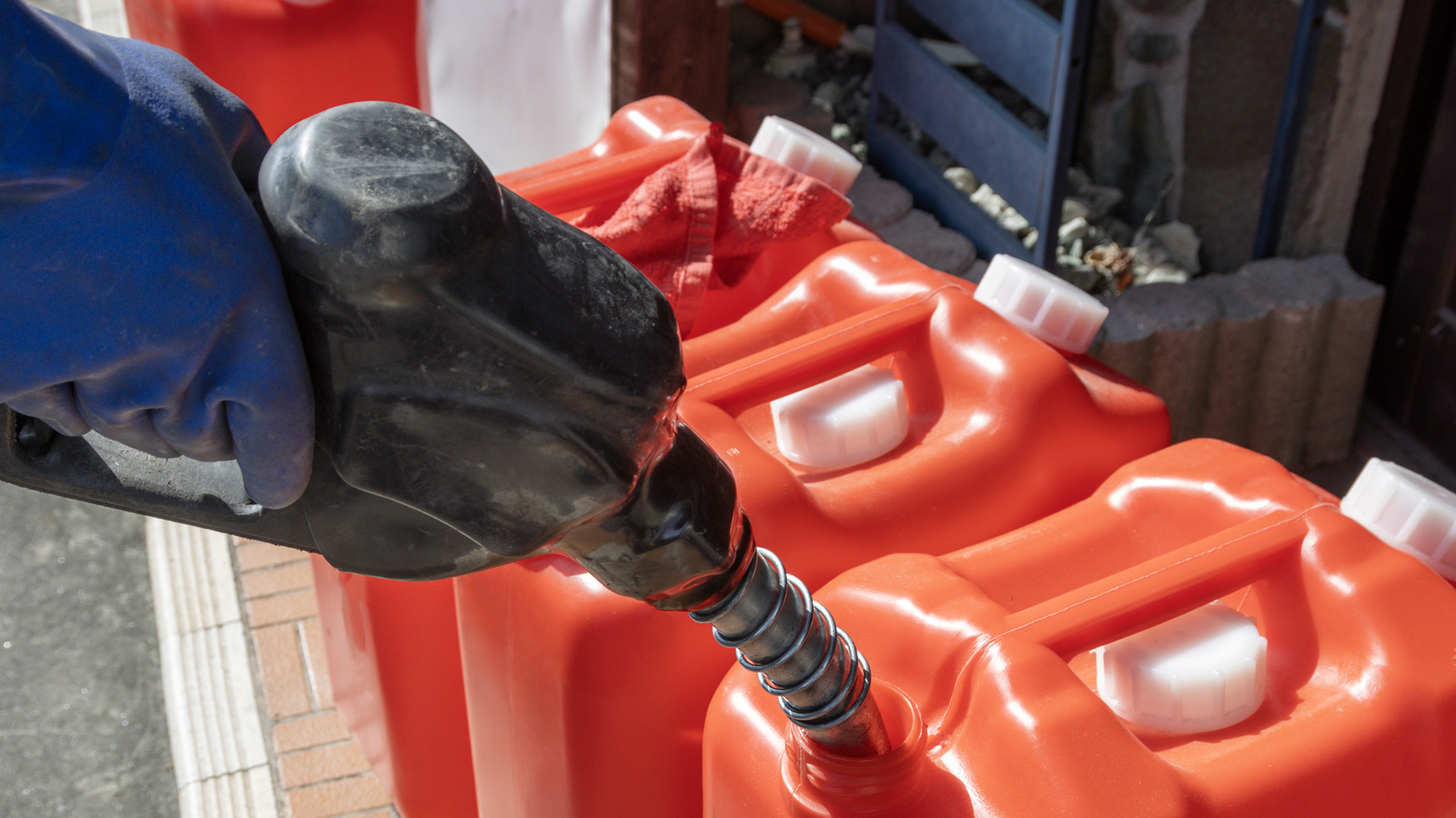
The U.S. Consumer Product Safety Commission warns that improper gas containers and non-compliant storage practices pose serious risks that can even result in explosions and open flames. To help prevent such accidents and keep everyone safe, you need to know how to store gasoline safely. First of all, always be absolutely sure to store gasoline in an approved container certified for gasoline storage. Keep it upright, secure, and in a well-ventilated area, away from living spaces, heat, sparks, flames, animals, or children. Also, make sure the fill and vent openings are closed tightly. While refilling, do not fill it more than 95%, and always start filling with the nozzle inside the container, as that reduces any chances of static electricity.
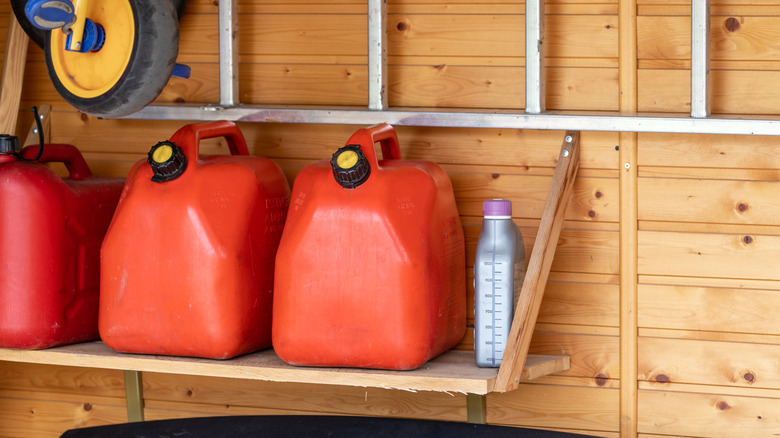
When in storage, regularly check the container for spills, leaks, and damage. Properly labeling and coloring the containers red helps others know it is flammable. Keeping them separated from other oxidizer chemicals reduces the risk of accidents, which is legally required in many regulated storage environments. Either way, gasoline in a container has a limited shelf life that is dependent on how you store it, so be sure to do so correctly.
Proper fuel storage saves lives
 Gkv/Getty Images
Properly storing gasoline means a lot more than just preventing fires. For instance, fuel spillages can contaminate water and soil, and damage surfaces. Moreover, gasoline can produce extremely harmful fumes. If your area of storage isn't properly ventilated and there are fuel spills about, it could pose serious health and safety risks to everyone involved. Properly labeling and storing gasoline can help emergency responders and other family members easily assess risks in the event of an emergency. Moreover, not complying with local fire codes could even affect insurance claims. No matter how you look at it, adopting safe fuel storage and handling should become second nature. The consequences of not doing so can be catastrophic.
To safely store a gasoline jerry can while off-roading, you should specifically use purpose-built mounting systems that are intended for your vehicle. These should also comply with legal restrictions in your specific area. Either way, make sure to always secure the container to a structurally solid anchor point. Keep it away from the exhaust, flimsy body parts, and especially from any potential contact points in a crash.
This is the safest way to store diesel
 Thank You For Your Assistant/Getty Images
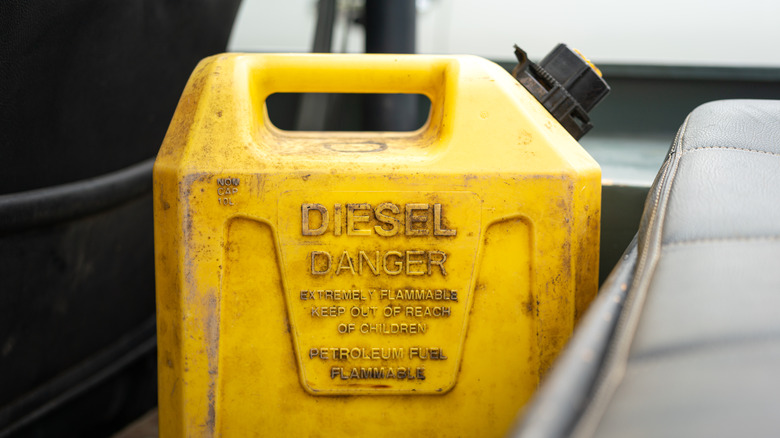
Although diesel fuel isn't as flammable as gasoline, knowing how to safely store diesel fuel is equally as important. Only use approved containers, fill them carefully, and prioritize yellow containers. If untreated, diesel is likely to start degrading after four weeks, while with proper treatment, it can last six to twelve months. Treating diesel for a longer shelf life includes, among other things, fuel stabilizers, a cold and dark environment, and no water contamination. Always follow local and federal restrictions to reduce the risk of accidents and remain compliant. Where gasoline is highly flammable, diesel is highly susceptible to microbial growth ("diesel bug"). This means that you should use a specific diesel-friendly funnel to minimize any chances of bacterial contamination.
Diesel fuel is prone to turning into gel in lower temperatures. That can create gelling deposits that are unable to flow through fuel filters. Therefore, if you are storing untreated diesel throughout the winter, make sure it isn't exposed to overly freezing temperatures. You can also use winter diesel additives to minimize the chances of it solidifying. Lastly, diesel fumes and smoke are more damaging to your health. To be extra safe, make sure to properly ventilate your storage.