- Home
Edition
Africa Australia Brasil Canada Canada (français) España Europe France Global Indonesia New Zealand United Kingdom United States Edition:
Global
Edition:
Global
- Africa
- Australia
- Brasil
- Canada
- Canada (français)
- España
- Europe
- France
- Indonesia
- New Zealand
- United Kingdom
- United States
Academic rigour, journalistic flair
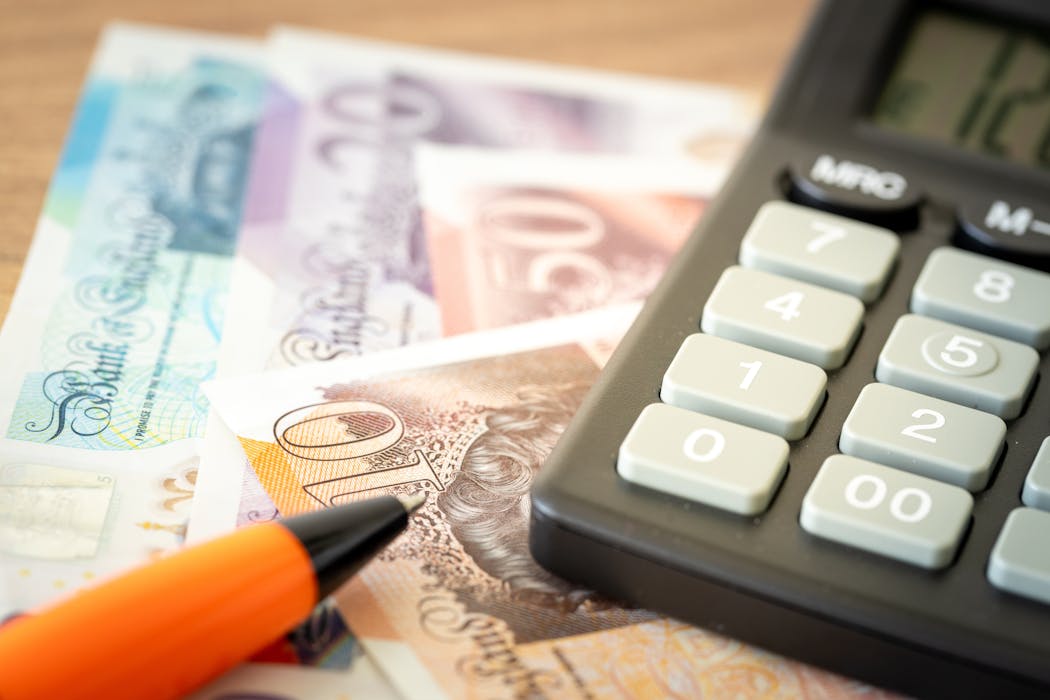
 Andrzej Rostek/Shutterstock
Why Rachel Reeves chose a ‘smorgasbord’ of tax tweaks – and the risks involved in that approach
Published: December 1, 2025 2.00pm GMT
Shampa Roy-Mukherjee, University of East London
Andrzej Rostek/Shutterstock
Why Rachel Reeves chose a ‘smorgasbord’ of tax tweaks – and the risks involved in that approach
Published: December 1, 2025 2.00pm GMT
Shampa Roy-Mukherjee, University of East London
Author
-
 Shampa Roy-Mukherjee
Vice Dean and Professor in Economics, University of East London
Disclosure statement
Shampa Roy-Mukherjee does not work for, consult, own shares in or receive funding from any company or organisation that would benefit from this article, and has disclosed no relevant affiliations beyond their academic appointment.
Partners

University of East London provides funding as a member of The Conversation UK.
View all partners
DOI
https://doi.org/10.64628/AB.ak9v3k6na
https://theconversation.com/why-rachel-reeves-chose-a-smorgasbord-of-tax-tweaks-and-the-risks-involved-in-that-approach-270861 https://theconversation.com/why-rachel-reeves-chose-a-smorgasbord-of-tax-tweaks-and-the-risks-involved-in-that-approach-270861 Link copied Share articleShare article
Copy link Email Bluesky Facebook WhatsApp Messenger LinkedIn X (Twitter)Print article
Chancellor Rachel Reeves has delivered her second budget, in which she raised taxes by £26 billion. This will take the UK tax burden to an all-time high of 38% of GDP by 2030-31. But it will also more than double Reeves’ “fiscal headroom” to £22 billion.
This fiscal headroom – effectively Reeves’ spending buffer – is up from the previous £9 billion, giving the government more flexibility to increase spending or reduce taxes without jeopardising stability.
The government has largely avoided raising headline income tax rates. Instead it has put together a smorgasbord of less visible or more narrowly targeted tax and fiscal measures. This means there was no single eye-catching headline from the budget.
Instead, Reeves has opted to widen the tax base – a strategy with complex consequences. So what has she actually changed?
Many of the tax increases and fiscal tweaks fall under stealth or technical measures – but their impact is real. One of the key mechanisms has been the prolonged freeze on personal income-tax thresholds.
By extending the freeze for an extra three years while wages and inflation rise, millions will gradually be pulled into higher tax bands – a phenomenon known as “fiscal drag”. This will raise £12.7 billion by the end of the decade and is the biggest single revenue earner in this budget.
Salary-sacrifice pension contributions will be capped at £2,000 before national insurance applies. Although this will raise nearly £5 billion, the burden will fall on employers. Some employees will see lower take-home pay and pension contributions as a result.
A new property levy dubbed a “mansion tax” on homes in England worth more than £2 million is expected to raise £400 million in 2029-30 after it is introduced in April 2028. And a two percentage-point increase in dividend tax rates from April 2026 will raise £1.2 billion annually from 2027.
Read more: Electric vehicle owners face new pay-per-mile tax – what could be the environmental costs?
On top of these, new taxes on electric vehicles are set to raise £1.4 billion, and reform of gambling duty could bring in £1.1 billion. Increases in tobacco duty are expected to raise £8 billion and the fuel duty freeze will be phased out from September 2026 – the first increase in petrol and diesel bills in 15 years.
Some of these measures target wealthier individuals and landlords. Yet the broad base of the package – particularly the threshold freeze – means that ordinary workers will also shoulder a significant portion of the burden.
Middle-income earners, who previously sat safely in lower-tax bands, now risk being dragged into higher rates. This could be without feeling any real-term income gains once inflation is taken into account.
Small and medium-sized businesses may face heavier corporation-tax burdens and reduced flexibility when drawing dividends. Property owners and investors are also likely to bear a larger share of capital taxes.
On the other hand, large firms (especially those with diversified global operations) may be better placed to absorb increased corporation tax or to pass costs on to customers.
In theory, lower-income households are shielded. Freeze-based tax rises do not hit them as quickly as they do higher earners. And targeted benefits or exemptions may soften the blow. But rising living costs – inflation, higher housing or rent costs and pricier goods – erode that protection, leaving many worse off in real terms.
How the patchwork compares to an income tax rise
Why this fragmented approach? Well, a direct increase in headline income tax or national insurance rates is very visible and often unpopular. It would also leave Labour accused of breaking its manifesto pledge.
In contrast, despite raising comparable sums, freezing thresholds, adjusting capital allowances, introducing a “mansion tax” and tweaking indirect or compliance-related levies are less likely to provoke an immediate backlash.
As the Office for Budget Responsibility (OBR) points out, roughly two thirds of the rise in tax take since 2019–20 is driven by personal taxes (threshold freezes and national insurance contributions). The rest has been driven by changes to capital allowance regimes and capital taxes.
In effect, the government has engineered what amounts to a stealth income-tax hike – spread across multiple levers and masked by technical policy steps.
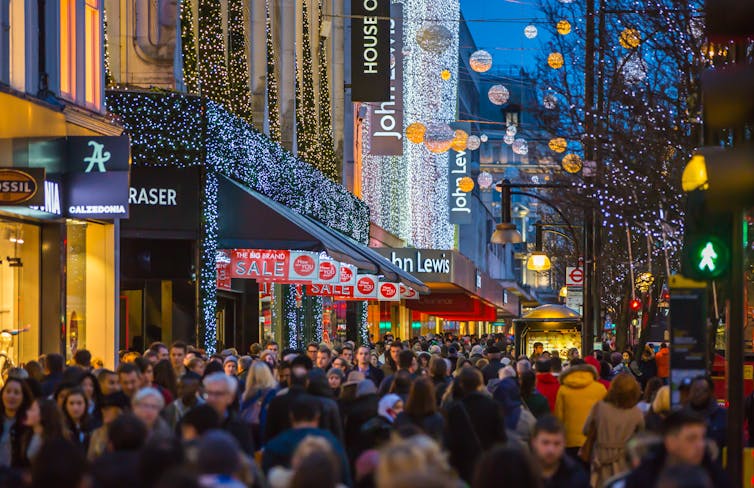 Reeves will be hoping the budget doesn’t hit consumer confidence.
IR Stone/Shutterstock
Reeves will be hoping the budget doesn’t hit consumer confidence.
IR Stone/Shutterstock
This complex patchwork approach raises several challenges. For one, it reduces transparency. People find it harder to understand how much they’re paying compared with a simple rate rise. It also creates distortions: families, businesses and investors now face a shifting tax landscape that may discourage spending, dampen growth or alter behaviour in ways that reduce long-term productivity and tax revenue.
The OBR has also downgraded projections for both growth and household disposable incomes. Inflation will also be higher than forecast. As such, it looks like weaker growth and a rising tax burden will squeeze household finances, despite Reeves’ claims of cutting living costs.
In the absence of stronger productivity growth – something that the OBR sees as uncertain – the UK may have locked itself into a situation where tax burdens rise slowly but persistently. Unless there is more growth, this quiet drift might replace bold fiscal decisions.
In short, the UK’s upward-spiralling tax burden is real, and it is being built not through headline grabs but via a creeping mosaic of incremental measures. The revenue may be comparable to a direct income-tax rise, but the cost to fairness, transparency and long-term growth could be far greater.
- UK economy
- Rachel Reeves
- UK taxes
- Give me perspective
- UK budget 2025
Events
Jobs
-
 Senior Lecturer, Clinical Psychology
-
University Lecturer in Early Childhood Education
-
Case Specialist, Student Information and Regulatory Reporting
-
Lecturer in Paramedicine
-
Associate Lecturer, Social Work
 Senior Lecturer, Clinical Psychology
 University Lecturer in Early Childhood Education
 Case Specialist, Student Information and Regulatory Reporting
 Lecturer in Paramedicine
 Associate Lecturer, Social Work
- Editorial Policies
- Community standards
- Republishing guidelines
- Analytics
- Our feeds
- Get newsletter
- Who we are
- Our charter
- Our team
- Partners and funders
- Resource for media
- Contact us
-
-
-
-
Copyright © 2010–2025, The Conversation