- Lifestyle
- Health & Families
David Izekor died in November from an aggressive form of brain cancer
Rachael DavisWednesday 03 December 2025 10:47 GMT
 CloseWhat to know about Glioblastoma
Sign up to our free Living Well email for advice on living a happier, healthier and longer life
Live your life healthier and happier with our free weekly Living Well newsletter
Live your life healthier and happier with our free weekly Living Well newsletter
Email*SIGN UPI would like to be emailed about offers, events and updates from The Independent. Read our Privacy notice
A 22-year-old man whose brother died in November from an aggressive form of brain cancer is fundraising to cover his funeral costs.
David Izekor, a 23-year-old filmmaker, was diagnosed with glioblastoma multiforme, an aggressive brain cancer, in 2021 at the age of 18.
After surviving a haemorrhagic stroke – a bleeding in the brain by the rupture of a blood vessel – he had to undergo an emergency brain operation and was diagnosed with the rare cancer, which carries an expected life expectancy of just 12 to 18 months.
Through two 10-hour brain surgeries, a cocktail of medications, and his sheer perseverance, David survived for several years, dying on November 12 this year, at the age of 23.
Now, his brother John Izekor, 22, is fundraising to pay for his brother’s funeral. As their mum died in 2022, John has no family to support him in his time of grief, but he said the generous donations to his GoFundMe – which is now at nearly £9,000 – has “given me something to smile about in such dark times”.
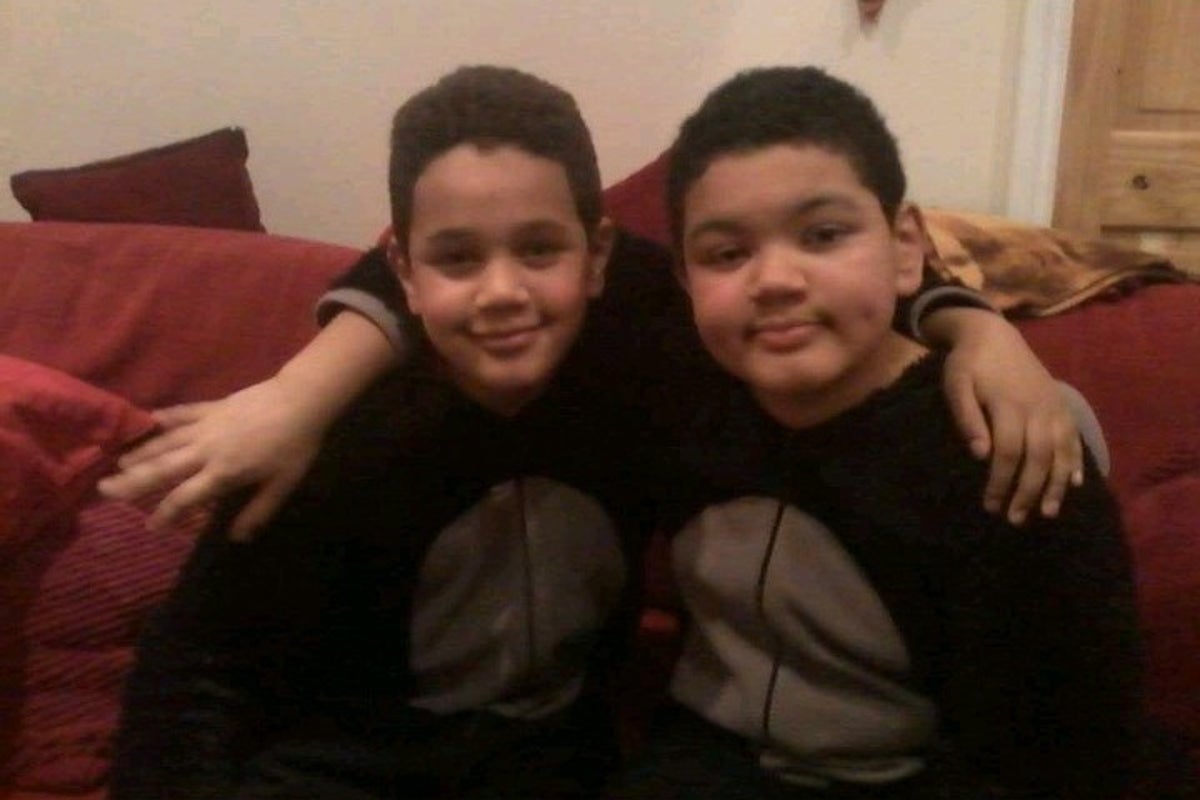
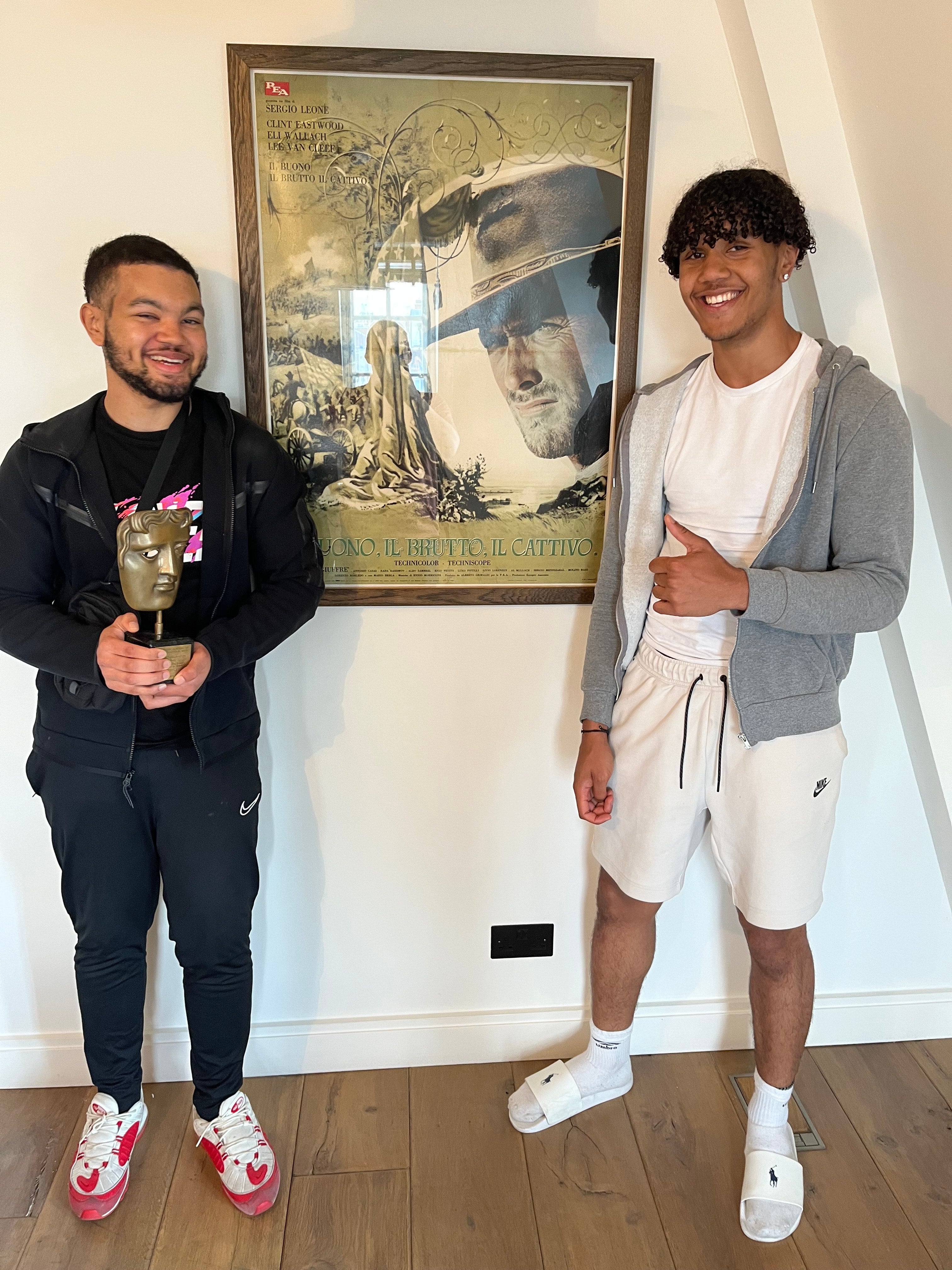 open image in galleryDavid (left) was a keen filmmaker (Collect/PA Real Life)
When David was 18, like many young men his age, he moved away from his London home to study for a film degree at the University of Leeds. A talented creative and passionate filmmaker, he was on the way to realising his dream, when disaster struck just months into his first year at university.
One night in 2021, David had a haemorrhagic stroke. During an emergency operation, doctors discovered a mass, which turned out to be glioblastoma multiforme, a rare and aggressive form of brain cancer, and he needed a 10-hour brain surgery in order to properly diagnose the tumour.
Then in 2022, John and David’s mum died– a colossal loss which took its toll on both sons.
“He was struggling a lot, adjusting to that life for the next year after his diagnosis, but then eventually, when he came to terms with everything… something changed in him,” John said.
“He became very, very strong.”
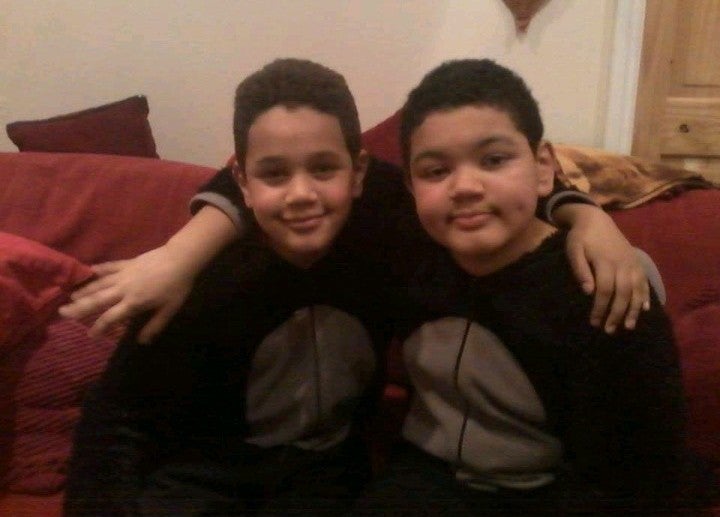 open image in galleryJohn and David as children (Collect/PA Real Life)
David processed what was happening to him in the best way he knew: by making a film about his experience of being a teenage cancer patient.
For the final project of his degree – a course which ended up taking him five years, rather than the usual three – he produced One In Two, a documentary film which captured his personal experience, but also that of others affected by glioblastoma.
The film premiered in August 2025 at the head office of Working Title – a production company and subsidiary of Universal – where John works, having been encouraged into the film industry by his brother.
“What kept him going the whole time was just that film,” John said.
“He was just so enthusiastic about creating. It shows how David is the physical embodiment of what it means to persevere.
“His perseverance was unmatched. He never cried or complained once. There’s a quote in the film of one of his doctors saying: ‘David did things David’s way’.”
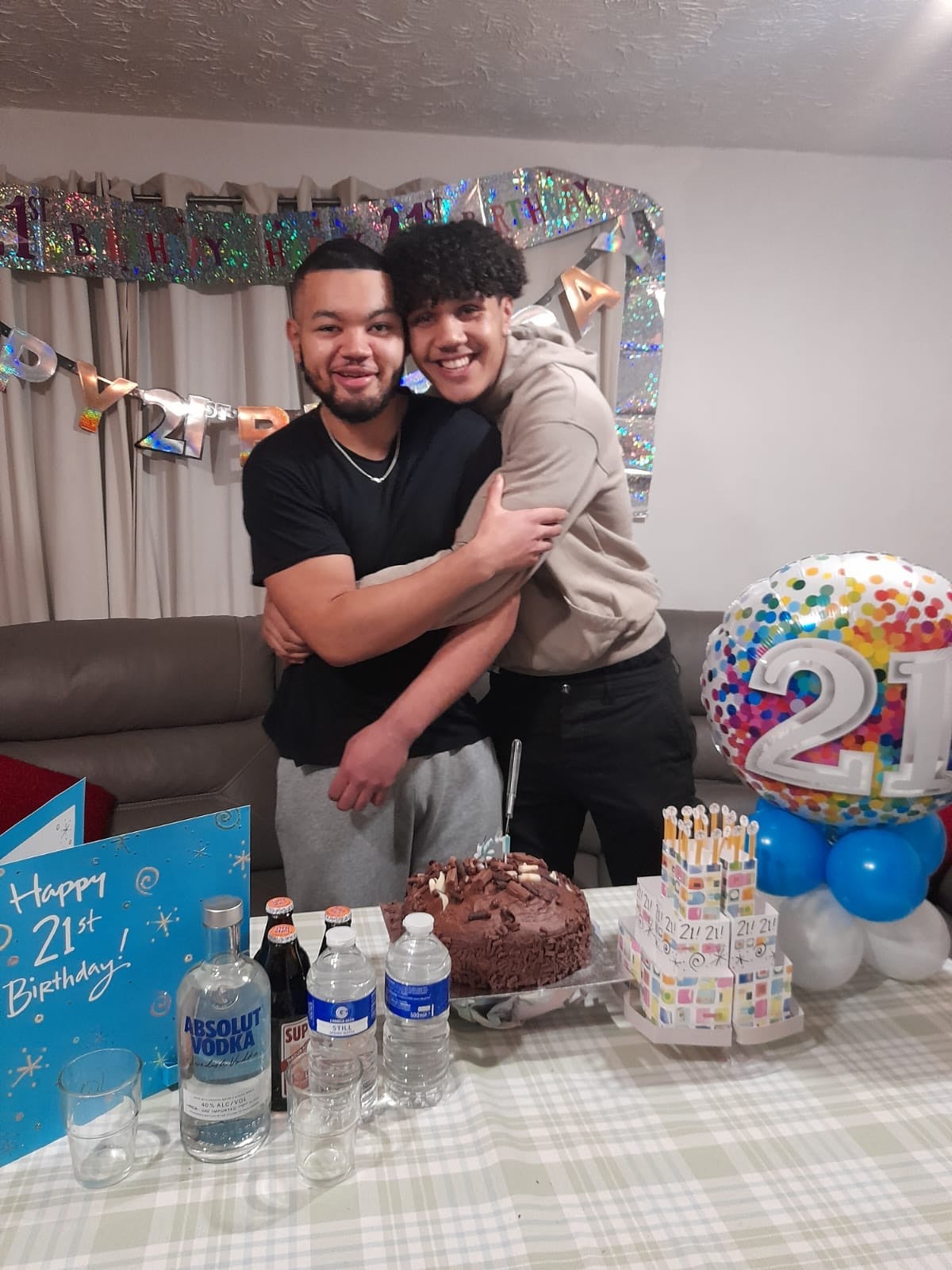 open image in gallery‘David is the physical embodiment of what it means to persevere’ (Collect/PA Real Life)
In October 2025, after years of managing the cancer but not being successful in treating it, David’s doctors told him they needed to stop treatment. Despite their best efforts, there was nothing more they could do for him.
“When he had his premiere for his film, that was the best day of his life,” John said.
“And I’m so happy that we were able to make that happen, because that was really big for him. But that day, two months ago now, when they said that they’re stopping the chemo – that was probably the worst day of his life, because we had so many plans, and he had so many plans.”
David was moved to a hospice in Rochester, Kent, which provided his end-of-life care.
“He was the youngest person there,” John said.
“In the hospice, that’s where the deterioration process starts happening, so the cancer basically just took control of his whole body.
“He was fine at first, but slowly, slowly, he just started losing his memory, becoming a bit more slow, very tired. He also started losing his ability to eat properly. And then one of the last things was that he lost his vision, and he became blind. So he basically just lost everything.
Main symptoms of a malignant brain tumour (brain cancer)
NHS
The symptoms can vary depending on the type of tumour, where it is in the brain, what's causing it and how quickly it's growing.
Common symptoms may include:
- new headaches, or headaches that are getting worse – these usually happen with other symptoms
- feeling sick (nausea) or being sick (vomiting) when moving suddenly – this usually happens with other symptoms
- fits (seizures)
- eye problems that are getting worse, such as blurred vision, seeing dots and lines or flashes of light, or not being able to see out of the corners of your eyes
- being very sleepy or fainting (losing consciousness)
- changes to behaviour or personality, such as problems with thinking and concentration
“The last four days of his life, he entered a permanent unconscious mode where he wasn’t talking.
“The last thing we ever said to each other was on the phone. I told him I was going to come and see him. I said: ‘Listen, I’m going to be there in two hours, OK?’ And he said to me: ‘John, I don’t think I’ll be here in two hours’.
“I ended up coming anyway, but that was the point where he was just unconscious, so he wasn’t able to speak any more.
“A few days went by, and then his last moments were when I was by his side.
“He wasn’t talking, and they told me that he wouldn’t be speaking again, but before he passed away, he started humming, which is not what is supposed to happen… Miraculously, he started humming; he hummed four times.
“I grabbed his hand, and I told him that I’m there, and after his fourth hum, he took his last breath, and then he left us.”
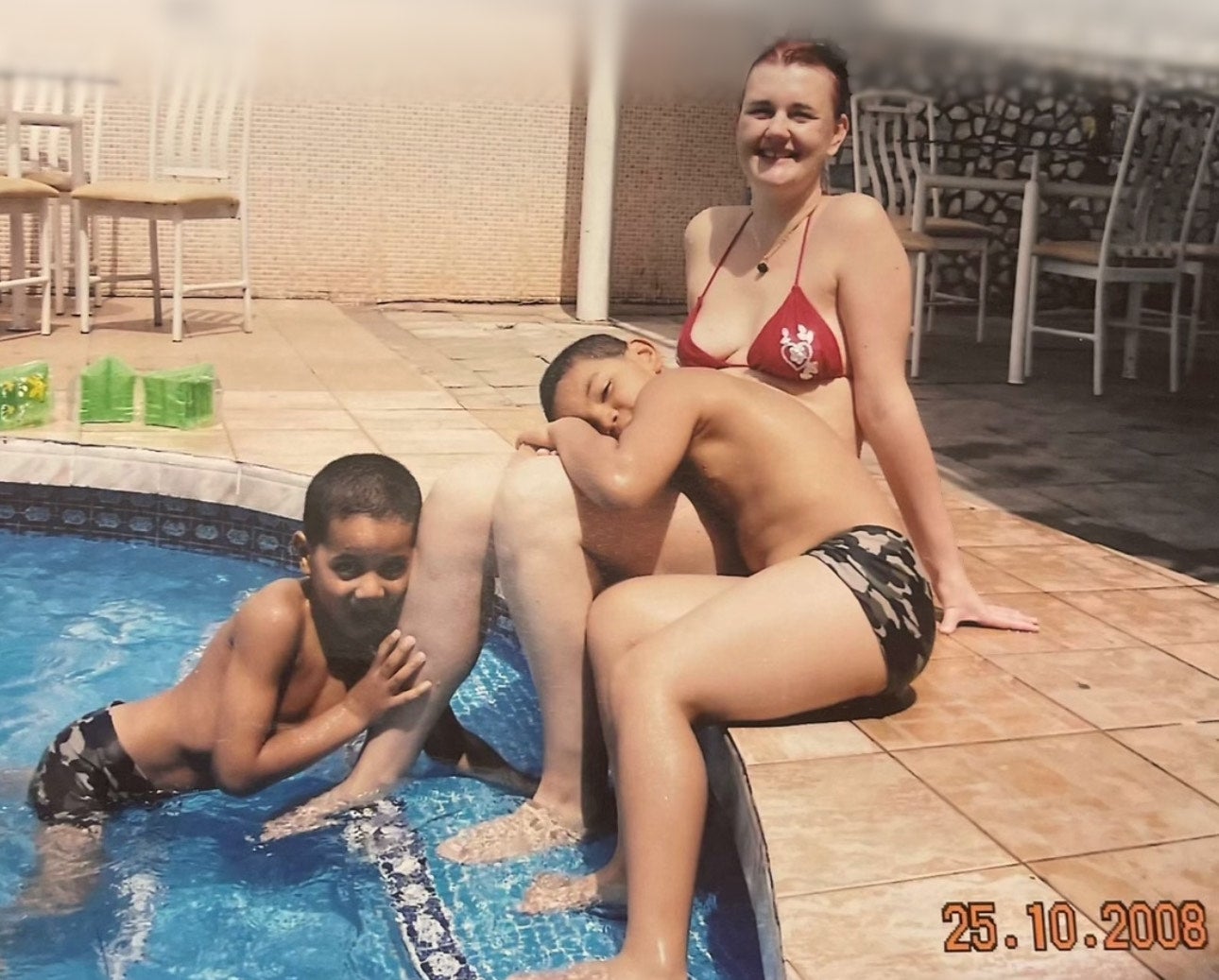 open image in galleryJohn, David and their mum, who they lost in 2022 (Collect/PA Real Life)
Without his mum or any other family around him, John has taken on the responsibility for planning his brother’s funeral. John grew up without money, and since he has no family to support him or to help pay for the staggering funeral costs, he decided to fundraise through GoFundMe to give David a send-off that truly honours his life.
“I’ve been left in a position where I’m dealing with everything by myself, and I haven’t even got to grieve,” he said.
Already, the fundraiser has received nearly £9,000 in donations, which means “so much” to John. Aside from paying for a funeral – which is critical to John, who grew up in a Christian family – he also wants to organise a celebration of life for his brother, where he hopes to screen David’s film so people can “take his life as a lesson”.
“He’s someone that a lot of people can learn from,” John said.
“He’s one of the wisest people you’d meet, and this fundraiser is really important for me to basically continue on his story, the way he wanted to live, when unfortunately he wasn’t able to do that.”
The generosity of friends, colleagues and strangers who have already donated to the fundraiser is a light in the darkness for John.
“It has completely changed what the outcome of this situation could have been,” he said.
“It’s turned a really negative thing into quite a positive situation, and it’s given me something to smile about in such dark times, I guess.”
Donate to John’s fundraiser for David’s celebration of life at https://www.gofundme.com/f/kj3yc8-david.